
Science
Holiverse’s Vision: Harnessing Space Power for AI’s Future

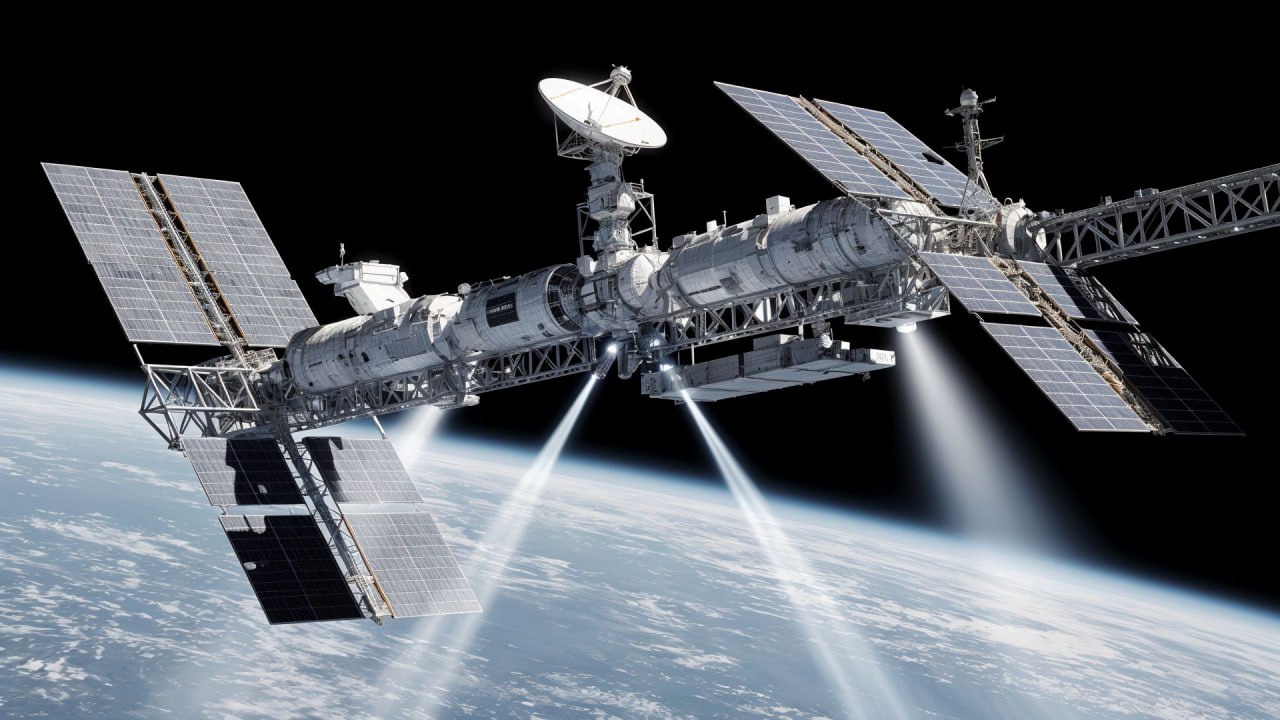
The demand for artificial intelligence (AI) is surging globally, resulting in a pressing need for energy sources to support its growth. Training a single advanced AI model can consume more electricity than what 120 U.S. homes use in an entire year. As AI adoption accelerates, projections indicate that data center energy demand could double before 2030. This escalating demand poses a significant challenge as the existing energy grid struggles to keep pace, leading to concerns about the sustainability of our technological advancements.
Lado Okhotnikov, the founder of the holistic biotech platform Holiverse, highlights the urgency of this issue. “The problem is becoming especially urgent now, as AI is advancing rapidly and its energy demands are growing just as fast,” he states. Okhotnikov places emphasis on the need to source energy in a manner that does not compromise the well-being of people or existing industries.
While many view renewable energy as a viable solution, it is not without limitations. Okhotnikov acknowledges the progress made in harnessing renewable sources such as wind, solar, and geothermal energy. “Renewable energy collected on Earth is no longer a fantasy; many countries are actively transitioning to it, and I hope this shift will only accelerate,” he says. Yet, factors such as geography, weather conditions, and the cycle of day and night present challenges that could hinder a sustainable transition to renewable energy alone.
This situation raises a critical question: what lies ahead for our energy future? For Okhotnikov and a growing number of experts, the answer may be found not on Earth, but in space. “Very soon, we will have to look to space—because the future, without question, belongs there,” he asserts.
The concept of Space-Based Solar Power (SBSP) is gaining traction. This innovative idea envisions vast solar arrays positioned in geostationary orbit, exposed to uninterrupted sunlight 24 hours a day. These arrays could convert solar energy and beam it wirelessly to receiving stations on Earth using safe, low-intensity microwaves or lasers. Such a system promises a stable, carbon-free power supply capable of reaching any location on the planet.
This is not merely theoretical; reputable organizations such as the European Space Agency and NASA are conducting serious feasibility studies on SBSP. A 2025 analysis of the European energy grid suggested that systems like SBSP could provide the consistent energy supply that intermittent renewable sources cannot. Okhotnikov points out, “The solar power we can collect here on Earth is only a tiny fraction of what is available in space. This is where an enormous potential lies for new developments.”
At Holiverse, the philosophy of integrating disparate systems into a cohesive and sustainable whole drives the exploration of designs and collaborations that align future AI infrastructure with space-generated power. The journey toward realizing solar electricity in space presents daunting challenges, including international governance, orbital construction, transmission efficiency, and high launch costs. Nevertheless, advancements in materials science and the development of reusable rockets are paving the way for these challenges to be addressed.
“Holiverse is developing technologies capable of powering the next era of AI,” Okhotnikov explains. He believes that with the collaboration of some of the brightest minds in the field, tangible steps toward making this ambitious project a reality are within reach.
The implications of harnessing space-based energy for AI are significant. Should this vision materialize, the constraints of terrestrial energy sources would no longer impede research and development. A sustainable energy network could fuel the extensive computational requirements needed for groundbreaking work in material science, personalized medicine, and climate modeling.
Ultimately, the future of AI may not solely depend on advanced algorithms and code but also on the energy that powers them. As pioneers like Okhotnikov work to redefine the possibilities of AI, the message is clear: to advance intelligence, humanity must look beyond the confines of Earth and tap into the sun’s limitless power.












Revolutionary Photonic Ski-Jump Could Miniaturize LiDAR Systems

Couples Detox from Plastics in New Netflix Doc: Can It Boost Fertility?

Aventon Launches Affordable Full-Suspension Electric Mountain Bike

Discover Eight Must-Try Restaurants This Spring Season

UC Irvine Team Unveils Innovative Ion Pump for Water Treatment

One-Third of Americans Trim Daily Expenses for Healthcare Needs

Apple Secures First Oscar in Three Years with F1: The Movie

Fourth Graders Celebrate St. Patrick’s Day with Creative Weather Drawings

Kim Kardashian Dazzles at Vanity Fair Oscars Party 2026

Nostradamus’ 2026 Predictions: Star Death and Dark Events Loom

Breakthroughs and Challenges Await Science in 2026

Electric Moto Influencer Surronster Arrested in Tijuana

OpenAI to Implement Age Verification for ChatGPT by December 2025

Discover the Top 10 Calorie Counting Apps of 2025

Recovering a Suspended TikTok Account: A Step-by-Step Guide

Bella Hadid Shares Health Update After Treatment for Lyme Disease

Backpack Drives Equip Students with Supplies for New School Year

Analysts Project Stronger Growth for Apple’s iPhone 17 Lineup
-
 Science8 months ago
Nostradamus’ 2026 Predictions: Star Death and Dark Events Loom
-
 Science8 months ago
Breakthroughs and Challenges Await Science in 2026
-
 Technology11 months ago
Electric Moto Influencer Surronster Arrested in Tijuana
-
 Technology9 months ago
OpenAI to Implement Age Verification for ChatGPT by December 2025
-
 Technology1 year ago
Discover the Top 10 Calorie Counting Apps of 2025
-
 Technology1 year ago
Recovering a Suspended TikTok Account: A Step-by-Step Guide
-
 Health11 months ago
Bella Hadid Shares Health Update After Treatment for Lyme Disease
-
 Education1 year ago
Backpack Drives Equip Students with Supplies for New School Year
-
 Health12 months ago
Analysts Project Stronger Growth for Apple’s iPhone 17 Lineup
-

 Health12 months ago
Japanese Study Finds Rose Oil Can Increase Brain Gray Matter
-

 Technology8 months ago
Top 10 Penny Stocks to Watch in 2026 for Strong Returns
-

 Science10 months ago
Starship V3 Set for 2026 Launch After Successful Final Test of Version 2