
Science
Holiverse Explores Space-Based Solar Power to Fuel AI Revolution

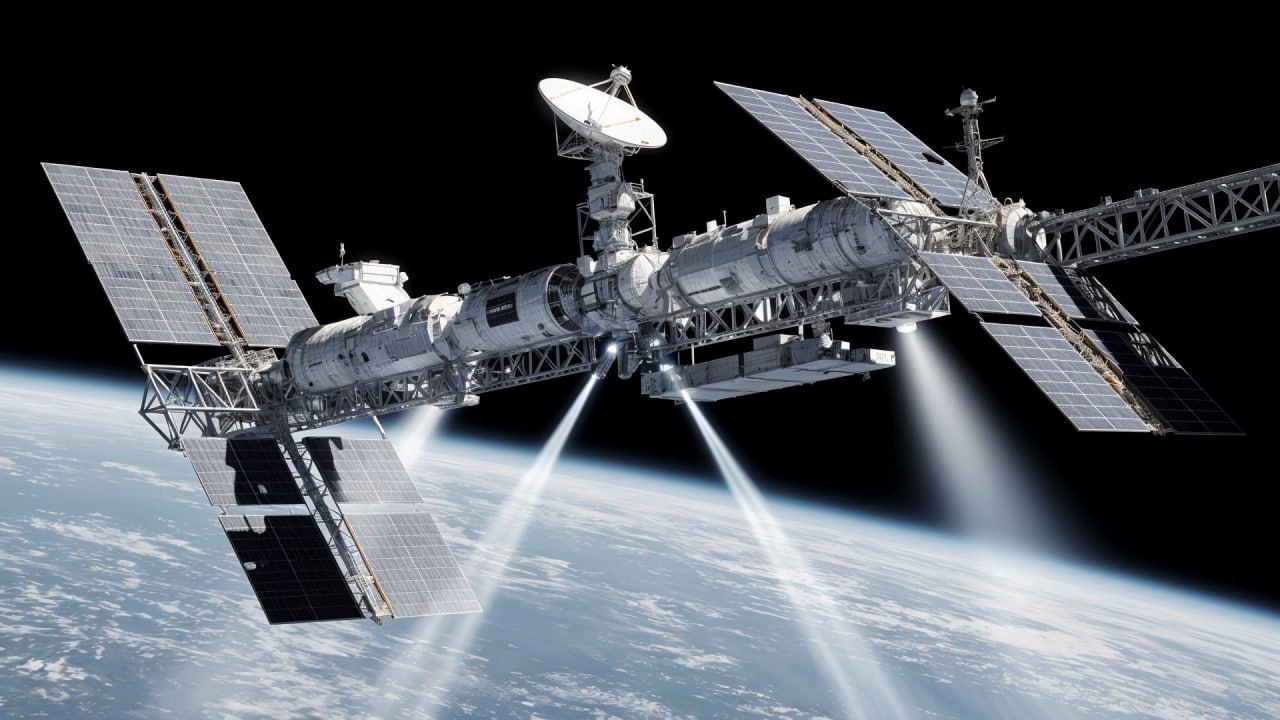
The demand for energy to power artificial intelligence (AI) is rapidly increasing, prompting innovative solutions like space-based solar power (SBSP). Lado Okhotnikov, founder of the biotech platform Holiverse, emphasizes the urgency of this challenge, noting that training a single advanced AI model can consume more electricity than 120 U.S. homes use in an entire year. As global AI adoption surges, projections indicate that data center energy demand could double before 2030, straining existing terrestrial power sources.
Energy Crisis and the Search for Solutions
The current reliance on outdated infrastructure presents a fundamental crisis for technological advancement. Okhotnikov highlights the pressing need for sustainable energy solutions, stating, “The problem is becoming especially urgent now, as AI is advancing rapidly and its energy demands are growing just as fast.” He advocates for a forward-thinking approach that prioritizes energy sources without compromising societal needs.
While many countries are transitioning to renewable energy sources like wind, solar, and geothermal, these methods are not without limitations. Weather patterns, geographical constraints, and the cyclical nature of day and night impose significant challenges. Okhotnikov acknowledges that although these renewables play a crucial role, they may not be sufficient for a civilization heavily reliant on a constantly learning AI ecosystem.
This scenario raises a pivotal question: what comes next? For visionaries like Okhotnikov, the answer lies in harnessing the power of space. “Very soon, we will have to look to space—because the future, without question, belongs there,” he asserts. The concept of SBSP proposes the deployment of vast solar arrays in geostationary orbit, capable of collecting unfiltered sunlight around the clock.
Harnessing Space-Based Solar Power
These solar arrays would convert sunlight into energy and transmit it wirelessly to receiving stations on Earth using safe, low-intensity microwaves or lasers. This technology promises to deliver a stable, carbon-free power source to any location globally. Notably, major entities such as the European Space Agency and NASA are actively conducting feasibility studies on SBSP systems. An analysis conducted for the European energy grid in 2025 suggested that such systems could provide a reliable backbone to complement intermittent renewable energy sources.
“The solar power we can collect here on Earth is only a tiny fraction of what is available in space,” Okhotnikov points out, emphasizing the vast potential for innovation. Holiverse is dedicated to investigating designs and collaborations that align future AI infrastructure with energy generated from space.
Despite the exciting prospects, challenges remain. Issues surrounding international governance, orbital construction, transmission efficiency, and launch costs must be addressed. However, advancements in materials science and the rise of reusable rockets are making these hurdles appear increasingly surmountable.
Holiverse positions itself at the forefront of this energy transition, with Okhotnikov asserting, “We are developing technologies capable of powering the next era of AI.” He believes that progress in this field will attract some of the brightest minds, paving the way for tangible steps toward making SBSP a reality.
The implications of successful SBSP deployment are profound. By liberating AI from terrestrial energy constraints, researchers would no longer face power budgets as a barrier. A sustainable energy network could facilitate the intensive computational workloads essential for breakthroughs in material science, personalized medicine, and climate predictions.
As the conversation about the future of AI evolves, it becomes clear that the energy sources we choose will shape its trajectory. By tapping into the sun’s limitless power, pioneers like Okhotnikov and Holiverse are working to ensure that the next major leap in artificial intelligence is not confined by the limitations of our planet.












Revolutionary Photonic Ski-Jump Could Miniaturize LiDAR Systems

Couples Detox from Plastics in New Netflix Doc: Can It Boost Fertility?

Aventon Launches Affordable Full-Suspension Electric Mountain Bike

Discover Eight Must-Try Restaurants This Spring Season

UC Irvine Team Unveils Innovative Ion Pump for Water Treatment

One-Third of Americans Trim Daily Expenses for Healthcare Needs

Apple Secures First Oscar in Three Years with F1: The Movie

Fourth Graders Celebrate St. Patrick’s Day with Creative Weather Drawings

Kim Kardashian Dazzles at Vanity Fair Oscars Party 2026

Nostradamus’ 2026 Predictions: Star Death and Dark Events Loom

Breakthroughs and Challenges Await Science in 2026

Electric Moto Influencer Surronster Arrested in Tijuana

OpenAI to Implement Age Verification for ChatGPT by December 2025

Discover the Top 10 Calorie Counting Apps of 2025

Bella Hadid Shares Health Update After Treatment for Lyme Disease

Analysts Project Stronger Growth for Apple’s iPhone 17 Lineup

Japanese Study Finds Rose Oil Can Increase Brain Gray Matter

Top 10 Penny Stocks to Watch in 2026 for Strong Returns
-
 Science4 months ago
Nostradamus’ 2026 Predictions: Star Death and Dark Events Loom
-
 Science4 months ago
Breakthroughs and Challenges Await Science in 2026
-
 Technology7 months ago
Electric Moto Influencer Surronster Arrested in Tijuana
-
 Technology4 months ago
OpenAI to Implement Age Verification for ChatGPT by December 2025
-
 Technology9 months ago
Discover the Top 10 Calorie Counting Apps of 2025
-
 Health7 months ago
Bella Hadid Shares Health Update After Treatment for Lyme Disease
-
 Health7 months ago
Analysts Project Stronger Growth for Apple’s iPhone 17 Lineup
-
 Health7 months ago
Japanese Study Finds Rose Oil Can Increase Brain Gray Matter
-
 Technology4 months ago
Top 10 Penny Stocks to Watch in 2026 for Strong Returns
-

 Science6 months ago
Starship V3 Set for 2026 Launch After Successful Final Test of Version 2
-

 Technology1 month ago
Nvidia GTC 2026: Major Announcements Expected for AI and Hardware
-
 Education7 months ago
Harvard Secures Court Victory Over Federal Funding Cuts