
Science
Engineers Navigate O-1 Visa Pathway for U.S. Careers

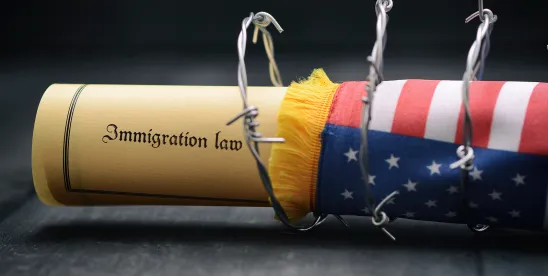
Engineers play a vital role in shaping the technologies and systems that support modern life. From academic laboratories to private enterprises, their work manifests in reliable products, secure infrastructure, and scalable technologies. The O-1 visa, tailored for individuals with extraordinary ability, offers a pathway for engineers to continue their careers in the United States, recognizing achievements that may not be documented through traditional academic publications.
The O-1 visa is a temporary, nonimmigrant classification designed for those who demonstrate exceptional talent in various fields, including engineering. Typically, engineers apply under the O-1A category, which caters specifically to those in scientific and technical professions. The visa petition must be submitted by a U.S. employer or an authorized agent, affirming that the engineer will work in an area of specialized expertise where they have established a strong record of accomplishment.
Understanding the O-1 Visa Process
An initial O-1 status can be granted for a maximum of three years, with the possibility of extensions in one-year increments as long as the underlying work remains active. Spouses and unmarried children under 21 years of age may apply for O-3 status, allowing them to reside and study in the U.S. while the engineer holds O-1 status.
The U.S. Citizenship and Immigration Services (USCIS) assesses O-1A petitions based on eight regulatory criteria. To qualify, a petition must satisfy at least three of these criteria, which include notable awards, selective memberships, published material about the engineer, judging the work of peers, and significant original contributions to the field.
While traditional academic paths may focus heavily on publications, engineering careers often diverge from this norm. Many engineers engage in long-term projects where confidentiality, teamwork, and iterative processes are standard. Recognition for their work may come through patents, leadership roles, and successful project deployments rather than formal publications. The O-1 framework accommodates these differences, allowing engineers to demonstrate their impact through various forms of evidence.
Types of Evidence for O-1 Applications
Patents and patent applications frequently serve as compelling evidence in O-1 visa cases. A granted patent can substantiate claims of innovation, especially when accompanied by documentation of subsequent developments, such as licensing agreements or commercial applications. Pending applications may also strengthen a case when supported by evidence of significant progress, including development milestones.
The contributions of engineers are often best illustrated through the systems and products they have developed. Comprehensive architecture for software platforms, manufacturing processes, and safety-critical systems can all bolster an O-1 petition, provided the engineer’s role is clearly defined. USCIS seeks evidence that demonstrates meaningful technical decisions, problem-solving capabilities, and the reliance placed on their designs by others in the field.
Leadership in engineering typically manifests through technical influence rather than managerial roles. Ownership of projects, direction-setting, and mentoring can all serve as indicators of recognition and impact. Independent letters from professionals in the field can help clarify the engineer’s influence and the significance of their contributions.
Certain certifications can enhance a petition when they reflect selective standards related to the engineer’s specialty. These credentials signal training and professional standing, which add weight to the petition. Competitive awards from engineering societies or technical competitions can also support the case, especially when the petition outlines the merit-based nature of the awards.
Published materials, including industry publications and trade journals, can further substantiate an O-1 application. Invitations to review technical papers or assess designs demonstrate that the engineer’s expertise is trusted by peers. Additionally, financial backing for projects, whether through grants or contracts, can illustrate the confidence institutions place in the engineer’s capabilities.
Recent federal initiatives emphasize the critical role engineers play in U.S. infrastructure and technology. For instance, the White House’s AI Action Plan, released in July 2025, connects national competitiveness to engineering achievements across various sectors. This context underscores the importance of engineers’ work, especially when their contributions align with government priorities in technology and infrastructure development.
The O-1 visa serves as a strategic option for engineers who exhibit extraordinary ability and wish to continue their work in the U.S. By effectively documenting their achievements through patents, projects, and leadership roles, engineers can navigate the O-1 process successfully without interrupting their professional trajectories.
As engineers consider pursuing the O-1 visa, maintaining comprehensive records of their work is crucial. This includes patent filings, project documentation, and evidence of adoption by clients or industry peers. Early identification of potential letter writers, particularly independent professionals who can articulate the engineer’s contributions, will also strengthen the case.
As the immigration landscape evolves, understanding the nuances of the O-1 visa, alongside other pathways such as the EB-2 NIW and EB-1A, will empower engineers to strategically plan their careers. With careful preparation and a focus on clear, persuasive documentation, the O-1 visa can become a valuable asset in advancing an engineer’s influence and career trajectory in the United States.











Revolutionary Photonic Ski-Jump Could Miniaturize LiDAR Systems

Couples Detox from Plastics in New Netflix Doc: Can It Boost Fertility?

Aventon Launches Affordable Full-Suspension Electric Mountain Bike

Discover Eight Must-Try Restaurants This Spring Season

UC Irvine Team Unveils Innovative Ion Pump for Water Treatment

One-Third of Americans Trim Daily Expenses for Healthcare Needs

Apple Secures First Oscar in Three Years with F1: The Movie

Fourth Graders Celebrate St. Patrick’s Day with Creative Weather Drawings

Kim Kardashian Dazzles at Vanity Fair Oscars Party 2026

Nostradamus’ 2026 Predictions: Star Death and Dark Events Loom

Breakthroughs and Challenges Await Science in 2026

Electric Moto Influencer Surronster Arrested in Tijuana

OpenAI to Implement Age Verification for ChatGPT by December 2025

Discover the Top 10 Calorie Counting Apps of 2025

Recovering a Suspended TikTok Account: A Step-by-Step Guide

Bella Hadid Shares Health Update After Treatment for Lyme Disease

Backpack Drives Equip Students with Supplies for New School Year

Analysts Project Stronger Growth for Apple’s iPhone 17 Lineup
-
 Science8 months ago
Nostradamus’ 2026 Predictions: Star Death and Dark Events Loom
-
 Science8 months ago
Breakthroughs and Challenges Await Science in 2026
-
 Technology11 months ago
Electric Moto Influencer Surronster Arrested in Tijuana
-
 Technology9 months ago
OpenAI to Implement Age Verification for ChatGPT by December 2025
-
 Technology1 year ago
Discover the Top 10 Calorie Counting Apps of 2025
-
 Technology1 year ago
Recovering a Suspended TikTok Account: A Step-by-Step Guide
-
 Health11 months ago
Bella Hadid Shares Health Update After Treatment for Lyme Disease
-
 Education1 year ago
Backpack Drives Equip Students with Supplies for New School Year
-
 Health11 months ago
Analysts Project Stronger Growth for Apple’s iPhone 17 Lineup
-

 Health12 months ago
Japanese Study Finds Rose Oil Can Increase Brain Gray Matter
-

 Technology8 months ago
Top 10 Penny Stocks to Watch in 2026 for Strong Returns
-

 Science10 months ago
Starship V3 Set for 2026 Launch After Successful Final Test of Version 2