
Science
China Lures Leading Scientists from the US Amid Policy Changes

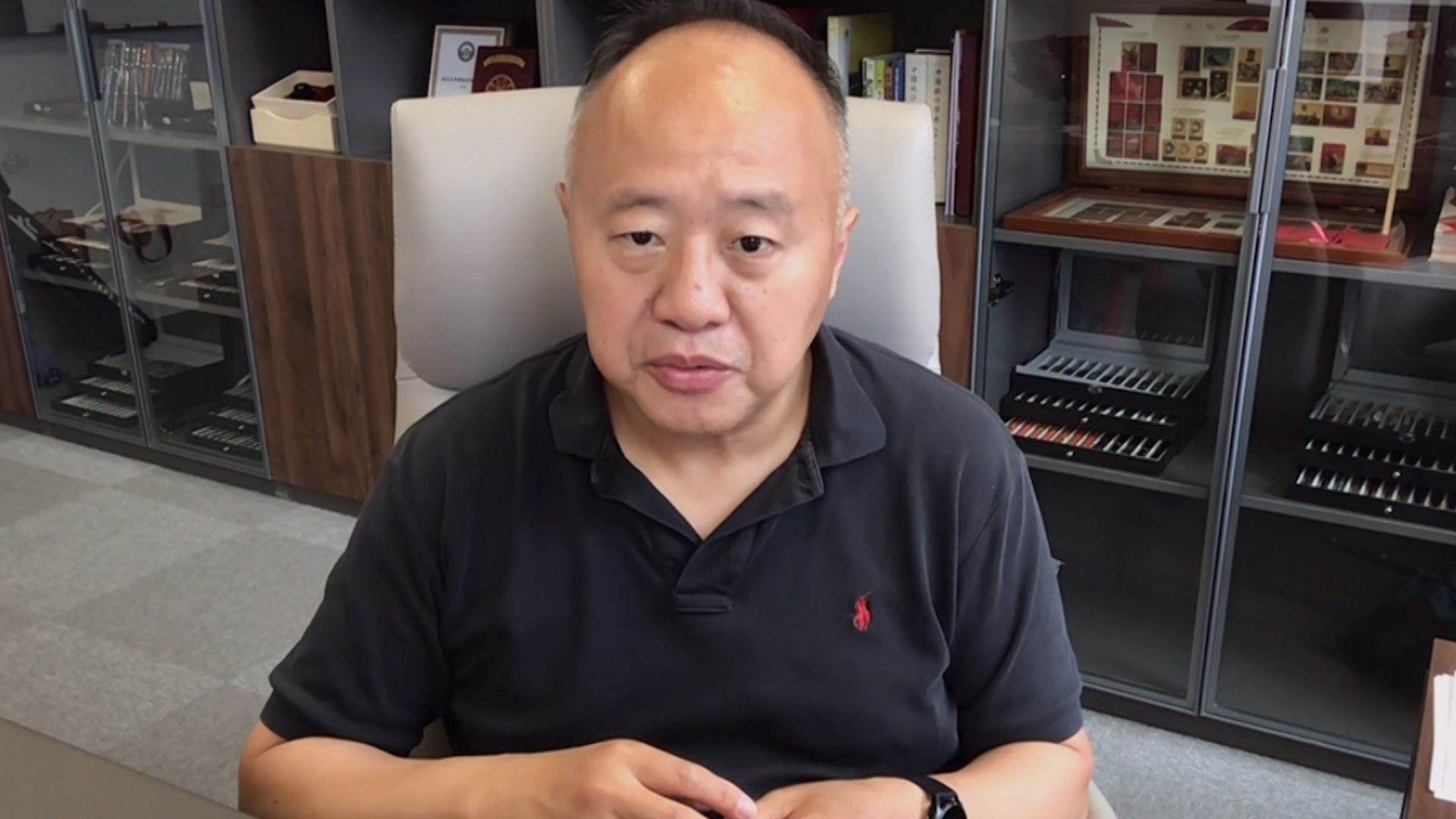
The migration of prominent researchers from the United States to China has accelerated significantly, raising concerns about the long-term viability of American scientific leadership. Since the beginning of 2022, at least 85 established scientists, including a Princeton nuclear physicist and a NASA engineer, have transitioned to Chinese research institutions. More than half of these moves occurred in 2025, as reported by CNN. This trend, characterized as a reverse brain drain, is attributed to the increasing scrutiny of foreign talent in the US and a parallel surge in investment from Beijing in domestic innovation.
As the US government contemplates cuts to research funding and implements tighter regulations on foreign professionals, China has seized the opportunity. The shift has potential implications for critical sectors such as artificial intelligence, quantum computing, and biotechnology, which are pivotal for future technological dominance.
Xi Jinping, the Chinese leader, has emphasized the importance of innovation as a cornerstone of economic security. The Chinese government has actively sought to attract international talent, particularly those who have previously studied abroad and now form a vital part of the global scientific community. Yu Xie, a sociology professor at Princeton University, noted that the changes in the US have been perceived by Chinese universities as an opportunity to enhance their recruitment efforts.
Despite the US Congress’s consideration of reversing some of the proposed budget cuts to research, the current environment has left many scientists feeling uncertain about their future. The Trump administration’s earlier policies, which included significant hikes in H1-B visa costs, have heightened anxieties among researchers, particularly those with ties to China. This uncertainty has only intensified as lawmakers suggested reinstating the controversial China Initiative, which was aimed at investigating intellectual property theft and had raised concerns about bias against academics of Chinese descent.
China’s Ambitious Recruitment Efforts
Chinese universities are discreetly reaching out to US-based researchers, capitalizing on the perceived disadvantages faced by their American counterparts. Lu Wuyuan, a protein chemist who moved from the University of Maryland to Fudan University, remarked on the noticeable increase in job applications from overseas candidates. He described the current recruitment climate as a “gift from a perceived adversary.”
Efforts to attract talent are not limited to academia. Programs like the Qiming Program aim to infuse top-level researchers into China’s commercial tech sector, particularly in semiconductor manufacturing. This aligns with China’s broader goals of innovation in response to restrictions on technology exports from the US. The demand for professionals with expertise in integrated circuits is particularly pronounced as the country seeks to bolster its capabilities in critical technology sectors.
Chinese institutions are promoting lucrative opportunities for researchers, offering attractive compensation packages and support for relocation. For instance, Wuhan University recently advertised professorships with potential funding matches of up to 3 million yuan (over $400,000) for researchers focusing on advanced fields like robotics and artificial intelligence.
Despite these efforts, challenges remain for researchers considering a move to China. While the country’s scientific landscape has improved dramatically, political and cultural differences, as well as a restrictive environment, may deter some from making the transition. According to data from the National Center for Science and Engineering Statistics, over 83% of Chinese graduates with science and engineering PhDs earned in the US between 2017 and 2019 continued to live in the US as of 2023.
The Future of Global Scientific Collaboration
The evolving dynamics between the US and China have shifted perceptions of scientific collaboration. Many researchers now view their decisions through a lens of geopolitical tension. Zhang Yitang, a mathematician who transitioned back to China after a lengthy career in the US, cited deteriorating US-China relations as a significant factor in his move.
The relationship between the two nations has shifted from one of collaboration to competition, particularly following the launch of the China Initiative in 2018. This initiative aimed to scrutinize alleged intellectual property theft, resulting in increased anxiety among scientists of Chinese descent and prompting many to reconsider their positions in the US.
While there are signs of a growing divide, scientists emphasize that their work transcends borders. As Yu Hongtao, dean at Westlake University, pointed out, the decision to work in a specific country should be based on opportunities rather than solely on negative factors. He cautioned that a focus on escape from the US situation without considering China’s merits may lead to challenges in adapting to a new environment.
The trajectory of US-China relations will undoubtedly impact the future of scientific research and collaboration. As American universities navigate budget cuts and increased scrutiny, the risk of losing top-tier talent to China, Europe, and other regions looms large. As Yau Shing-tung, a renowned mathematician, noted, while China may not yet match the US in scientific prowess, any missteps by American institutions could lead to significant consequences for their standing in the global research community.
The shifting landscape of scientific talent underscores the importance of fostering an environment conducive to innovation and collaboration. As both nations strive for advancements in technology and research, the outcomes of these dynamics will shape the future of global scientific endeavors.










Revolutionary Photonic Ski-Jump Could Miniaturize LiDAR Systems

Couples Detox from Plastics in New Netflix Doc: Can It Boost Fertility?

Aventon Launches Affordable Full-Suspension Electric Mountain Bike

Discover Eight Must-Try Restaurants This Spring Season

UC Irvine Team Unveils Innovative Ion Pump for Water Treatment

One-Third of Americans Trim Daily Expenses for Healthcare Needs

Apple Secures First Oscar in Three Years with F1: The Movie

Fourth Graders Celebrate St. Patrick’s Day with Creative Weather Drawings

Kim Kardashian Dazzles at Vanity Fair Oscars Party 2026

Nostradamus’ 2026 Predictions: Star Death and Dark Events Loom

Breakthroughs and Challenges Await Science in 2026

Electric Moto Influencer Surronster Arrested in Tijuana

OpenAI to Implement Age Verification for ChatGPT by December 2025

Discover the Top 10 Calorie Counting Apps of 2025

Recovering a Suspended TikTok Account: A Step-by-Step Guide

Bella Hadid Shares Health Update After Treatment for Lyme Disease

Backpack Drives Equip Students with Supplies for New School Year

Analysts Project Stronger Growth for Apple’s iPhone 17 Lineup
-
 Science8 months ago
Nostradamus’ 2026 Predictions: Star Death and Dark Events Loom
-
 Science8 months ago
Breakthroughs and Challenges Await Science in 2026
-
 Technology11 months ago
Electric Moto Influencer Surronster Arrested in Tijuana
-
 Technology9 months ago
OpenAI to Implement Age Verification for ChatGPT by December 2025
-
 Technology1 year ago
Discover the Top 10 Calorie Counting Apps of 2025
-
 Technology1 year ago
Recovering a Suspended TikTok Account: A Step-by-Step Guide
-
 Health11 months ago
Bella Hadid Shares Health Update After Treatment for Lyme Disease
-
 Education1 year ago
Backpack Drives Equip Students with Supplies for New School Year
-
 Health11 months ago
Analysts Project Stronger Growth for Apple’s iPhone 17 Lineup
-

 Health12 months ago
Japanese Study Finds Rose Oil Can Increase Brain Gray Matter
-

 Technology8 months ago
Top 10 Penny Stocks to Watch in 2026 for Strong Returns
-

 Science10 months ago
Starship V3 Set for 2026 Launch After Successful Final Test of Version 2