
Science
Capture Stunning Night Sky Photos with These Lens Cleaning Tips

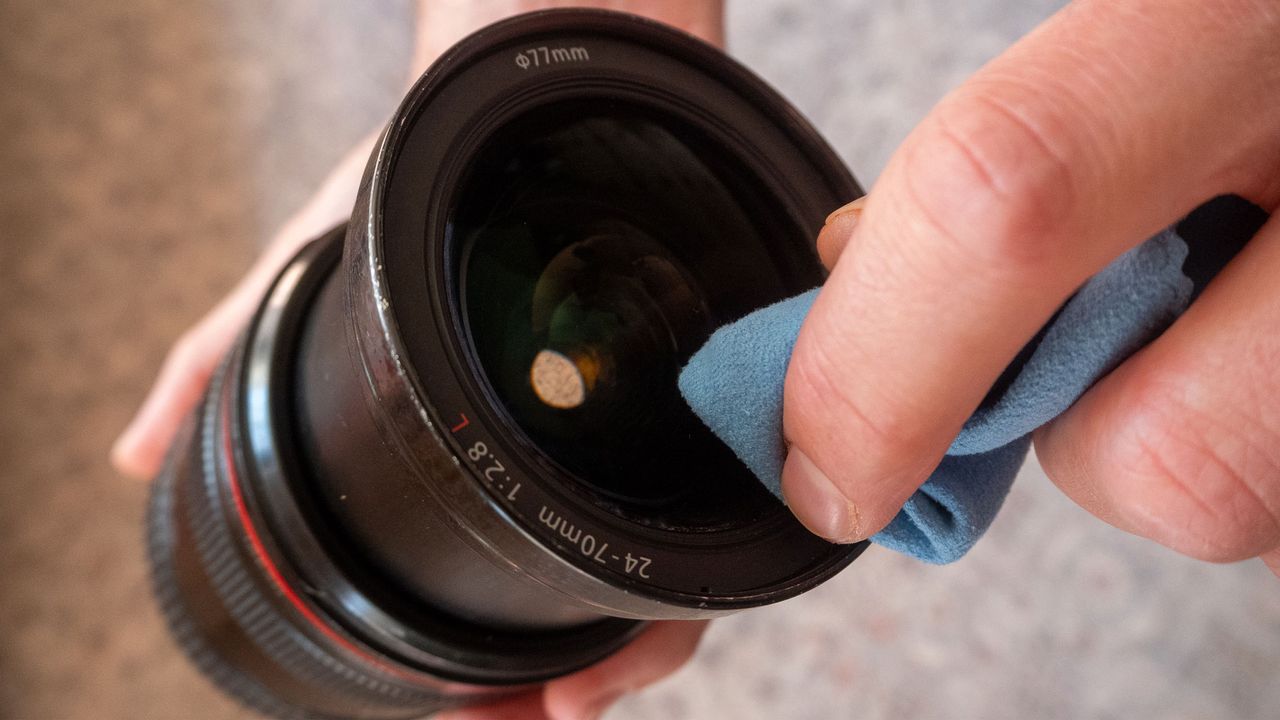
Maintaining a clean camera lens is vital for capturing crisp, high-quality images, especially in astrophotography. Dust, smudges, and fingerprints can significantly hamper image clarity, leading to blurry or hazy photographs. Properly cleaning your lens not only enhances image quality but also prolongs the life of your equipment. Here, we outline effective techniques and tools for safely cleaning your camera lens.
Essential Tools for Lens Cleaning
Using the right tools is crucial for effective lens cleaning. The first recommendation is an air puffer, also known as a blower. This device helps remove loose dust and debris without making contact with the lens surface, thereby minimizing the risk of scratches. Many air puffers feature a brush attachment that can sweep away dust from the lens glass. For cleaning the plastic and metal casing around the glass, it is advisable to use a different brush to avoid scratching the lens itself.
To use an air puffer, hold the camera lens at an angle to allow dust to fall away naturally. Employ short bursts of air to dislodge any particles. It is important to use an air blower rather than blowing air from your mouth, as saliva and moisture can create unwanted smudges. Recommended options include the Giottos Rocket Air Blaster and the VSGO Air Blower, both compact and portable, making them ideal for travel photography.
Brush and Clean for Optimal Clarity
If the air puffer does not completely remove debris, a lens brush is the next step. Brushes designed specifically for camera lenses have ultra-soft bristles that gently lift dust and particles without scratching the glass. Natural bristles are often more effective at picking up fine dust, making them a worthwhile investment. Retractable brushes, which can be kept clean when not in use, are also preferable.
Before using a lens brush, ensure it is clean. Gently sweep the brush across the lens in a circular motion, avoiding excessive pressure to prevent pushing debris into the glass. It is also wise to use separate brushes for lenses and camera sensors to avoid cross-contamination. One recommended option is the LensPen NLP-1, which features a retractable brush and a cleaning tip. Alternatively, the Koolehaoda Soft Lens Brush, made with natural goat hair, is excellent for delicate cleaning.
For stubborn smudges, oils, or fingerprints, a lens cleaning solution paired with a microfiber cloth or lens cleaning tissue is effective. It is best to choose an alcohol-free formula, as alcohol can strip protective coatings. An ammonia-free solution is also advisable, as harsh chemicals can degrade coatings over time. For convenience, pre-moistened wipes are a quick solution while traveling, provided they are kept airtight to retain moisture.
When using a cleaning solution in a small bottle, apply a few drops to a microfiber cloth rather than directly to the lens. Clean the lens using gentle circular motions, starting from the center and working outward. Avoid excessive moisture, as liquid can seep into the lens housing. Finish by using a dry section of the cloth to remove any remaining streaks. Reliable lens cleaning solutions include those from Zeiss, known for its high-quality optics, and Eclipse Optic Cleaning Fluid, suitable for both lenses and camera sensors.
Although the front glass element is the primary focus for cleaning, other parts of the lens also require attention. Regular cleaning of both the front and rear lens elements is essential. Always use front and back lens caps to minimize dirt accumulation when the lens is not in use. For the lens barrel and focus or zoom rings, wipe down the exterior with a dry microfiber cloth. Avoid using liquid cleaners near electronic contacts, as moisture can cause damage.
If you encounter persistent smudges, fungus inside the lens, or internal dust, professional cleaning may be necessary. Many reputable services specialize in deep-cleaning lenses, which can be particularly beneficial for restoring old film lenses or those that have been unused for years. Options such as KEH Camera, which offers full camera maintenance packages, and Lensrentals.com, known for its rental services and expert advice, are highly recommended.
Maintaining a clean camera lens requires careful handling and the right tools. By utilizing an air puffer, a soft-bristled brush, and suitable cleaning solutions, photographers can ensure their lenses remain in excellent condition. Periodic professional cleaning can also be beneficial for long-term gear maintenance. With these methods, photographers can capture stunning images of the night sky without the hindrance of a dirty lens.

Revolutionary Photonic Ski-Jump Could Miniaturize LiDAR Systems

Couples Detox from Plastics in New Netflix Doc: Can It Boost Fertility?

Aventon Launches Affordable Full-Suspension Electric Mountain Bike

Discover Eight Must-Try Restaurants This Spring Season

UC Irvine Team Unveils Innovative Ion Pump for Water Treatment

One-Third of Americans Trim Daily Expenses for Healthcare Needs

Apple Secures First Oscar in Three Years with F1: The Movie

Fourth Graders Celebrate St. Patrick’s Day with Creative Weather Drawings

Kim Kardashian Dazzles at Vanity Fair Oscars Party 2026

Nostradamus’ 2026 Predictions: Star Death and Dark Events Loom

Breakthroughs and Challenges Await Science in 2026

Electric Moto Influencer Surronster Arrested in Tijuana

OpenAI to Implement Age Verification for ChatGPT by December 2025

Discover the Top 10 Calorie Counting Apps of 2025

Recovering a Suspended TikTok Account: A Step-by-Step Guide

Bella Hadid Shares Health Update After Treatment for Lyme Disease

Backpack Drives Equip Students with Supplies for New School Year

Analysts Project Stronger Growth for Apple’s iPhone 17 Lineup
-
 Science8 months ago
Nostradamus’ 2026 Predictions: Star Death and Dark Events Loom
-
 Science8 months ago
Breakthroughs and Challenges Await Science in 2026
-
 Technology11 months ago
Electric Moto Influencer Surronster Arrested in Tijuana
-
 Technology9 months ago
OpenAI to Implement Age Verification for ChatGPT by December 2025
-
 Technology1 year ago
Discover the Top 10 Calorie Counting Apps of 2025
-
 Technology1 year ago
Recovering a Suspended TikTok Account: A Step-by-Step Guide
-
 Health11 months ago
Bella Hadid Shares Health Update After Treatment for Lyme Disease
-
 Education1 year ago
Backpack Drives Equip Students with Supplies for New School Year
-
 Health12 months ago
Analysts Project Stronger Growth for Apple’s iPhone 17 Lineup
-

 Health12 months ago
Japanese Study Finds Rose Oil Can Increase Brain Gray Matter
-

 Technology8 months ago
Top 10 Penny Stocks to Watch in 2026 for Strong Returns
-

 Science10 months ago
Starship V3 Set for 2026 Launch After Successful Final Test of Version 2