
Science
Abandoned Structures Fuel Rising Heat in Houston, Study Reveals

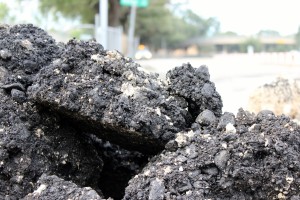
A recent study conducted by researchers at Texas A&M University highlights the significant impact of abandoned buildings and vacant lots on surface temperatures in Houston, which ranks among the ten hottest cities in the United States. The research, led by lecturer Dingding Ren, utilized thermal imaging equipment mounted on drones to map surface temperatures across seven sites in the city, revealing alarming findings about urban heat dynamics.
The team collected over 1,400 drone images and integrated them with data from NASA’s LandSat satellite to evaluate heat risks across various zones, including residential, commercial, and industrial areas. The findings indicate that vegetated or vacant land significantly reduces land surface temperatures, while abandoned structures contribute to higher temperatures due to their heat-retaining surfaces.
Impact of Urban Heat on Vulnerable Communities
According to Ren, “The research found that concrete, asphalt, and gravel absorb heat during the day and release it overnight, while lots with vegetation cool the surrounding area significantly.” The study reveals that surface temperatures in vegetated areas can be as much as 20 degrees Fahrenheit cooler compared to those dominated by abandoned buildings and paved lots.
Furthermore, the analysis of publicly available demographic data shows a concerning correlation between elevated surface temperatures and higher social vulnerability. Communities experiencing increased heat are more susceptible to adverse effects during natural disasters, underscoring the need for immediate action.
Ren emphasizes the importance of implementing targeted cooling strategies, particularly passive cooling mechanisms, to mitigate heat risks and enhance climate resilience in disadvantaged communities. “The finding highlights the need for targeted cooling strategies,” he said, “especially passive cooling mechanisms, like great infrastructure and land reuse.”
Opportunities for Green Infrastructure
Houston currently has approximately 45,000 acres of vacant land and 10,000 acres of abandoned buildings, presenting a significant opportunity for the enhancement of green infrastructure. Ren views these areas as “missed opportunities” to implement passive cooling systems that could help improve the local microclimate.
Passive cooling mechanisms are design strategies aimed at removing heat or preventing heat from entering a building or specific location. By transforming vacant and abandoned spaces into green areas, Houston could not only reduce surface temperatures but also promote environmental sustainability and community well-being.
As the city grapples with rising temperatures, the findings from Texas A&M University call for a coordinated effort to revitalize these underutilized spaces. By investing in green infrastructure, Houston can better prepare its communities for the challenges posed by extreme heat and climate change.












Revolutionary Photonic Ski-Jump Could Miniaturize LiDAR Systems

Couples Detox from Plastics in New Netflix Doc: Can It Boost Fertility?

Aventon Launches Affordable Full-Suspension Electric Mountain Bike

Discover Eight Must-Try Restaurants This Spring Season

UC Irvine Team Unveils Innovative Ion Pump for Water Treatment

One-Third of Americans Trim Daily Expenses for Healthcare Needs

Apple Secures First Oscar in Three Years with F1: The Movie

Fourth Graders Celebrate St. Patrick’s Day with Creative Weather Drawings

Kim Kardashian Dazzles at Vanity Fair Oscars Party 2026

Nostradamus’ 2026 Predictions: Star Death and Dark Events Loom

Breakthroughs and Challenges Await Science in 2026

Electric Moto Influencer Surronster Arrested in Tijuana

OpenAI to Implement Age Verification for ChatGPT by December 2025

Discover the Top 10 Calorie Counting Apps of 2025

Recovering a Suspended TikTok Account: A Step-by-Step Guide

Bella Hadid Shares Health Update After Treatment for Lyme Disease

Backpack Drives Equip Students with Supplies for New School Year

Analysts Project Stronger Growth for Apple’s iPhone 17 Lineup
-
 Science8 months ago
Nostradamus’ 2026 Predictions: Star Death and Dark Events Loom
-
 Science8 months ago
Breakthroughs and Challenges Await Science in 2026
-
 Technology11 months ago
Electric Moto Influencer Surronster Arrested in Tijuana
-
 Technology9 months ago
OpenAI to Implement Age Verification for ChatGPT by December 2025
-
 Technology1 year ago
Discover the Top 10 Calorie Counting Apps of 2025
-
 Technology1 year ago
Recovering a Suspended TikTok Account: A Step-by-Step Guide
-
 Health11 months ago
Bella Hadid Shares Health Update After Treatment for Lyme Disease
-
 Education1 year ago
Backpack Drives Equip Students with Supplies for New School Year
-
 Health12 months ago
Analysts Project Stronger Growth for Apple’s iPhone 17 Lineup
-

 Health12 months ago
Japanese Study Finds Rose Oil Can Increase Brain Gray Matter
-

 Technology8 months ago
Top 10 Penny Stocks to Watch in 2026 for Strong Returns
-

 Science10 months ago
Starship V3 Set for 2026 Launch After Successful Final Test of Version 2