
Lifestyle
Phoebe Yee Outlines Key Principles for Calming Apartment Design

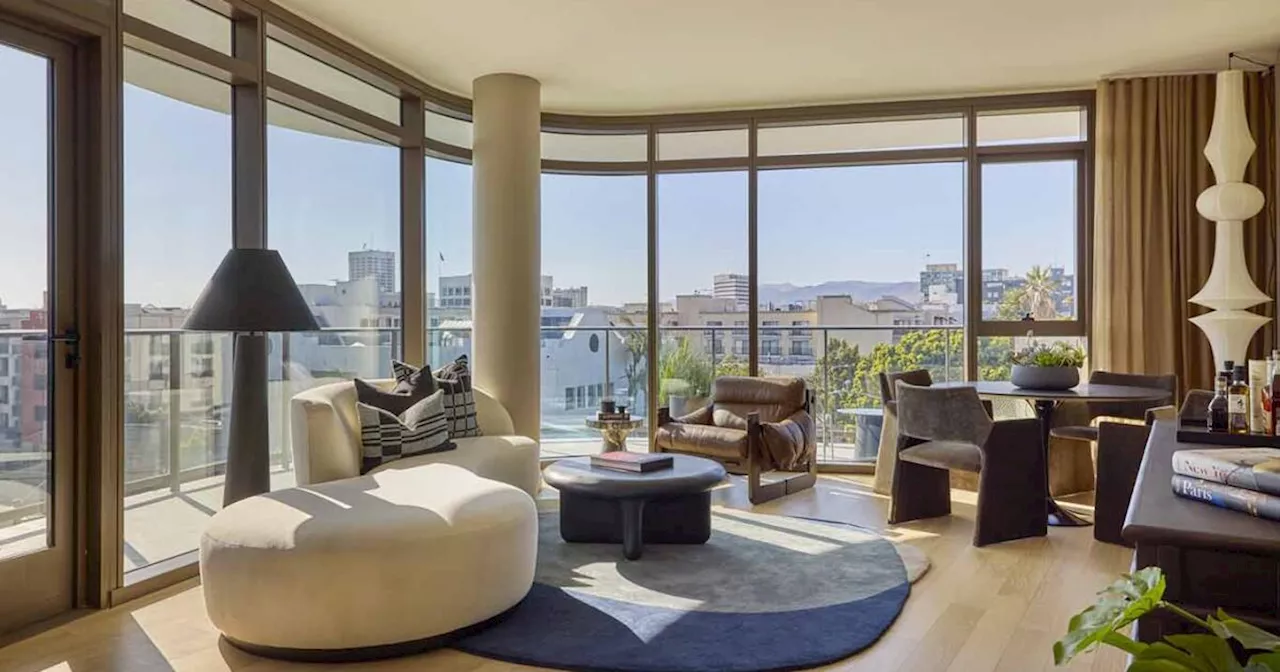
Phoebe Yee, Executive Vice President of Design at Related California, has outlined essential principles for creating apartment buildings that foster tranquility and comfort. These guidelines focus on enhancing everyday living through thoughtful design choices, including maximizing natural light, implementing functional floor plans, and ensuring acoustic comfort.
Yee emphasizes the importance of natural light in residential spaces. By integrating large windows and open layouts, designers can create environments that feel more expansive and inviting. “Natural light not only improves mood but also enhances the overall aesthetic of a living space,” Yee explains. This approach aligns with a growing trend in urban design that prioritizes the well-being of residents.
Another critical aspect of Yee’s design philosophy is the concept of livable floor plans. Effective apartment layouts should promote ease of movement and usability. According to Yee, “Floor plans should cater to different lifestyles, allowing for both private and communal living.” This flexibility is vital for accommodating the diverse needs of modern residents, from young professionals to families.
Creating Acoustic Calm for Residents
In addition to light and space, acoustic comfort plays a significant role in achieving a serene living environment. Yee advocates for soundproofing materials and strategic placement of communal areas to minimize noise disruptions. “A calm atmosphere is vital for mental health, especially in urban settings,” she states. By prioritizing acoustic design, builders can enhance the quality of life for residents, making apartment living more enjoyable and less stressful.
Shared spaces are another focal point of Yee’s approach. These areas, designed for community interaction, should be restorative and inviting. “Creating a sense of community through shared spaces can significantly enhance the living experience,” Yee notes. By integrating gardens, lounges, and study areas, apartment buildings can foster social connections while providing residents with opportunities for relaxation and engagement.
Yee’s insights reflect a broader movement in the real estate industry toward more holistic approaches to apartment design. As urban populations grow, developers are increasingly recognizing the need for spaces that prioritize well-being. Related California is at the forefront of this shift, aiming to create buildings that are not just places to live but havens of comfort and calm.
The combination of natural light, thoughtful layouts, acoustic solutions, and communal spaces offers a blueprint for future apartment developments. By focusing on these principles, developers can create environments that promote peace and enhance the daily lives of residents. As the demand for such living spaces continues to rise, the insights shared by Phoebe Yee will likely influence how cities evolve in the coming years.
In a world where urban living can often feel chaotic, the design principles proposed by Yee provide a pathway to more tranquil and fulfilling residential experiences.









Revolutionary Photonic Ski-Jump Could Miniaturize LiDAR Systems

Couples Detox from Plastics in New Netflix Doc: Can It Boost Fertility?

Aventon Launches Affordable Full-Suspension Electric Mountain Bike

Discover Eight Must-Try Restaurants This Spring Season

UC Irvine Team Unveils Innovative Ion Pump for Water Treatment

One-Third of Americans Trim Daily Expenses for Healthcare Needs

Apple Secures First Oscar in Three Years with F1: The Movie

Fourth Graders Celebrate St. Patrick’s Day with Creative Weather Drawings

Kim Kardashian Dazzles at Vanity Fair Oscars Party 2026

Nostradamus’ 2026 Predictions: Star Death and Dark Events Loom

Breakthroughs and Challenges Await Science in 2026

Electric Moto Influencer Surronster Arrested in Tijuana

OpenAI to Implement Age Verification for ChatGPT by December 2025

Discover the Top 10 Calorie Counting Apps of 2025

Recovering a Suspended TikTok Account: A Step-by-Step Guide

Bella Hadid Shares Health Update After Treatment for Lyme Disease

Backpack Drives Equip Students with Supplies for New School Year

Analysts Project Stronger Growth for Apple’s iPhone 17 Lineup
-
 Science7 months ago
Nostradamus’ 2026 Predictions: Star Death and Dark Events Loom
-
 Science7 months ago
Breakthroughs and Challenges Await Science in 2026
-
 Technology10 months ago
Electric Moto Influencer Surronster Arrested in Tijuana
-
 Technology8 months ago
OpenAI to Implement Age Verification for ChatGPT by December 2025
-
 Technology1 year ago
Discover the Top 10 Calorie Counting Apps of 2025
-
 Technology1 year ago
Recovering a Suspended TikTok Account: A Step-by-Step Guide
-
 Health10 months ago
Bella Hadid Shares Health Update After Treatment for Lyme Disease
-
 Education12 months ago
Backpack Drives Equip Students with Supplies for New School Year
-
 Health10 months ago
Analysts Project Stronger Growth for Apple’s iPhone 17 Lineup
-

 Technology7 months ago
Top 10 Penny Stocks to Watch in 2026 for Strong Returns
-

 Health11 months ago
Japanese Study Finds Rose Oil Can Increase Brain Gray Matter
-

 Science9 months ago
Starship V3 Set for 2026 Launch After Successful Final Test of Version 2