
Lifestyle
Building a Smart Home: How I Eliminated Cloud Dependence

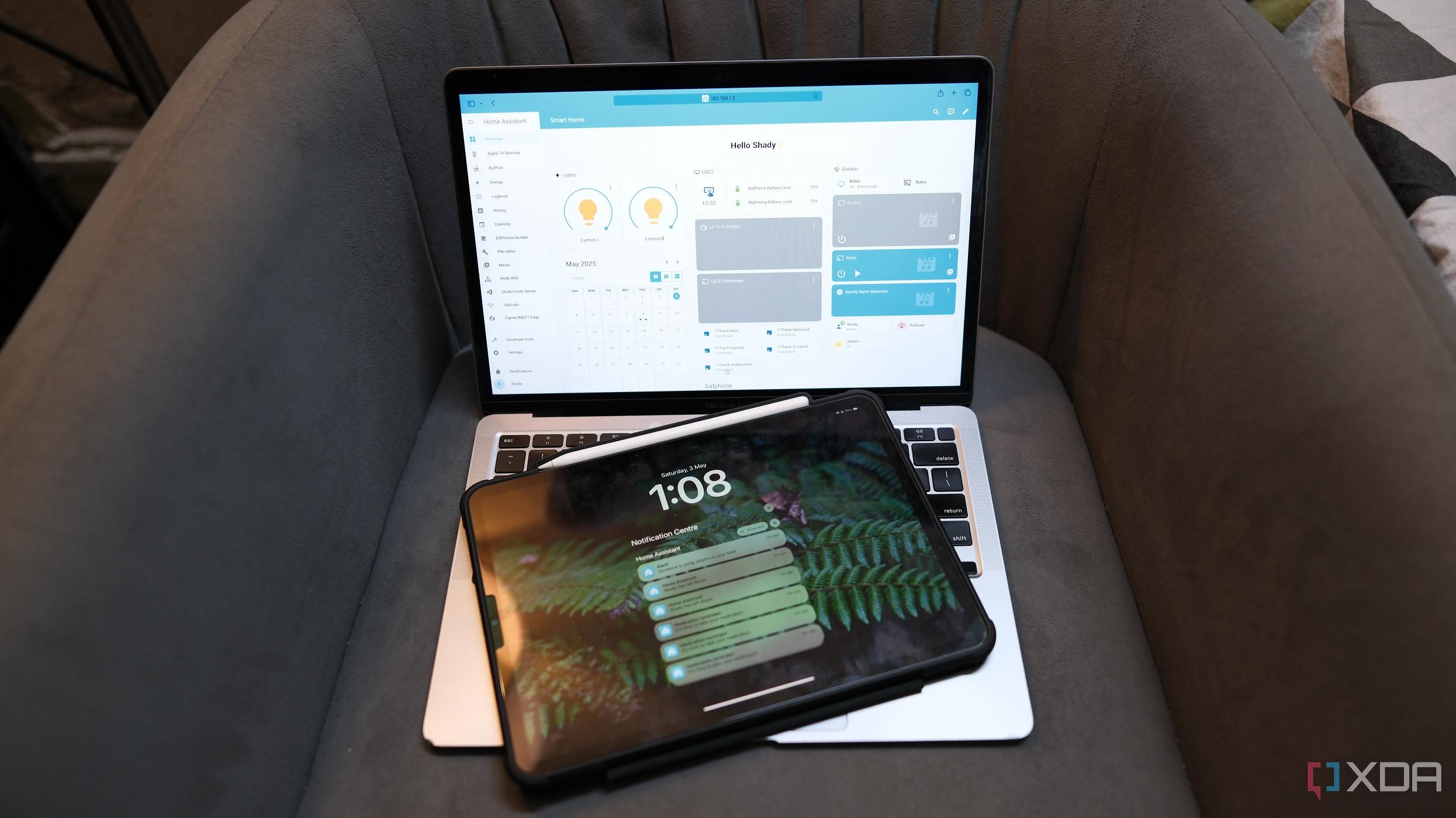
Creating a smart home while avoiding cloud dependency has become an increasingly sought-after goal for many technology enthusiasts. One individual, determined to regain control over their devices, successfully built a local-first smart home system. This approach not only improved responsiveness but also enhanced privacy and reliability by eliminating the need for external servers.
The Shift to Local Control
Initially, the homeowner encountered challenges with cloud-reliant devices. These gadgets often resulted in laggy responses and failed automations, highlighting the frustrations of depending on someone else’s infrastructure. The realization that turning on a light should not require a journey through the internet prompted a significant change. By opting for a system that operates locally, the homeowner transformed their smart home into a more responsive and predictable environment.
Going “cloudless” does not mean disconnecting from the internet entirely. Instead, it involves prioritizing local control and automation. By replacing cloud-dependent devices with those that function without external accounts, the homeowner noticed a marked improvement in performance. Automations became reliable, and troubleshooting was simplified, as issues could now be addressed directly within the home network.
Building a Reliable Foundation
The backbone of this cloud-free smart home is the controller, specifically Home Assistant. This platform does not require cloud services and offers complete local control. Initially deployed on a Raspberry Pi, the system later transitioned to a Proxmox virtual machine on a mini PC, enhancing reliability even further.
With a local controller, automations trigger promptly, devices respond instantly, and there is no reliance on external servers. This setup ensures that all automations and integrations remain within the network, enhancing both security and performance. Over time, the once hobby-like project evolved into a dependable infrastructure, allowing for full control over the smart home environment.
Selecting devices that operate locally posed its own challenges. Many modern devices come with cloud dependencies, making it difficult to use them without an internet connection. The homeowner successfully flashed open firmware such as ESPHome on select devices, eliminating their cloud components. By adhering to Home Assistant’s certified device list and using hardware supported by ESPHome, the integration process became more efficient.
For the majority of the setup, the homeowner opted for Zigbee and Z-Wave devices. These low-power mesh protocols are designed to operate locally, ensuring that devices communicate directly with their respective controllers without sending data outside the network. While Wi-Fi devices often require cloud accounts for setup or updates, Zigbee and Z-Wave offer a more streamlined option.
Enhancing Privacy and Control
Removing cloud services from the setup significantly reduced background network traffic. Local control allowed devices to communicate within the home network without sending telemetry reports over the internet. This shift not only minimized latency issues but also ensured that the homeowner’s data remained private.
Despite the advantages, advanced features such as voice control required additional effort. The homeowner chose to implement self-hosted voice assistants that work with local language models. For secure remote access to the Home Assistant instance, Tailscale was utilized, allowing the homeowner to create encrypted tunnels without exposing ports or relying on vendor servers.
Building a local-first smart home involved a considerable learning curve. The homeowner had to research compatible devices, understand networking basics, and take responsibility for troubleshooting. However, the result is a reliable system that offers complete ownership and control over personal data. Automations operate consistently, devices respond without delay, and the reliance on cloud services has been completely eliminated.
In conclusion, this journey to a cloud-free smart home illustrates that removing cloud dependencies can lead to a more efficient and reliable setup. With a focus on local control, the homeowner has created a smart home that is not only faster and more predictable but also secure and private.













Revolutionary Photonic Ski-Jump Could Miniaturize LiDAR Systems

Couples Detox from Plastics in New Netflix Doc: Can It Boost Fertility?

Aventon Launches Affordable Full-Suspension Electric Mountain Bike

Discover Eight Must-Try Restaurants This Spring Season

UC Irvine Team Unveils Innovative Ion Pump for Water Treatment

One-Third of Americans Trim Daily Expenses for Healthcare Needs

Apple Secures First Oscar in Three Years with F1: The Movie

Fourth Graders Celebrate St. Patrick’s Day with Creative Weather Drawings

Kim Kardashian Dazzles at Vanity Fair Oscars Party 2026

Nostradamus’ 2026 Predictions: Star Death and Dark Events Loom

Breakthroughs and Challenges Await Science in 2026

Electric Moto Influencer Surronster Arrested in Tijuana

OpenAI to Implement Age Verification for ChatGPT by December 2025

Discover the Top 10 Calorie Counting Apps of 2025

Bella Hadid Shares Health Update After Treatment for Lyme Disease

Analysts Project Stronger Growth for Apple’s iPhone 17 Lineup

Japanese Study Finds Rose Oil Can Increase Brain Gray Matter

Top 10 Penny Stocks to Watch in 2026 for Strong Returns
-
 Science4 months ago
Nostradamus’ 2026 Predictions: Star Death and Dark Events Loom
-
 Science4 months ago
Breakthroughs and Challenges Await Science in 2026
-
 Technology7 months ago
Electric Moto Influencer Surronster Arrested in Tijuana
-
 Technology5 months ago
OpenAI to Implement Age Verification for ChatGPT by December 2025
-
 Technology9 months ago
Discover the Top 10 Calorie Counting Apps of 2025
-
 Health7 months ago
Bella Hadid Shares Health Update After Treatment for Lyme Disease
-
 Health7 months ago
Analysts Project Stronger Growth for Apple’s iPhone 17 Lineup
-
 Health8 months ago
Japanese Study Finds Rose Oil Can Increase Brain Gray Matter
-
 Technology4 months ago
Top 10 Penny Stocks to Watch in 2026 for Strong Returns
-

 Science6 months ago
Starship V3 Set for 2026 Launch After Successful Final Test of Version 2
-

 Technology2 months ago
Nvidia GTC 2026: Major Announcements Expected for AI and Hardware
-

 Education7 months ago
Harvard Secures Court Victory Over Federal Funding Cuts