
Health
Trump’s Drug Pricing Initiative: Immediate Benefits Unlikely for Most Americans

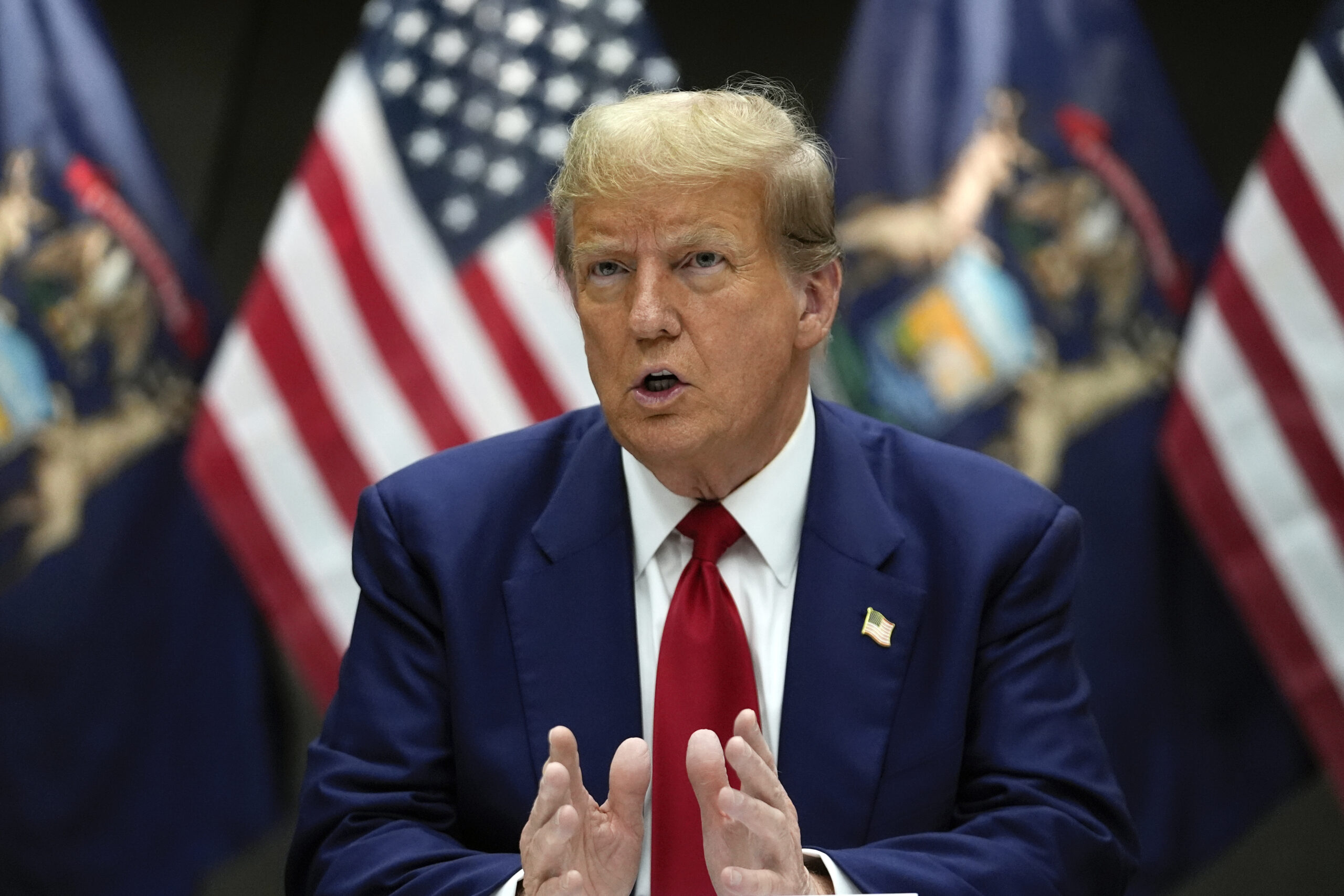
Efforts by the administration under former President Donald Trump to lower prescription drug prices will not provide immediate relief to most Americans with private insurance. While officials anticipate that the effects of these initiatives may gradually influence the market, immediate benefits remain elusive for many.
The administration’s plans are primarily designed to reshape the pharmaceutical market, which has long been criticized for high drug prices. According to U.S. health officials, the intention behind these changes is to create a more competitive environment that could ultimately drive down costs for consumers. However, the reality is that many Americans will not see any tangible benefits in the short term.
Long-Term Goals and Market Restructuring
The administration’s strategy focuses on multiple fronts, including negotiations with pharmaceutical companies and the introduction of new pricing regulations. Officials have expressed optimism that as these measures take effect, the market will begin to adjust, potentially leading to lower prices for prescription medications over time.
Despite this optimistic outlook, immediate changes are unlikely. A significant portion of the population, particularly those covered by private insurance, will not experience reductions in their out-of-pocket costs right away. Many health plans have pre-established pricing agreements with drug manufacturers, which may limit the short-term impact of any new regulations.
The expectation is that as the market evolves, the benefits of lower prices could eventually trickle down to consumers. This process, however, could take months or even years, leaving many individuals and families facing high drug costs in the interim.
Consumer Impact and Future Considerations
For most Americans, the immediate landscape remains challenging. According to recent surveys, a substantial number of individuals express concerns about the affordability of prescription medications. The need for effective solutions is pressing, especially for those managing chronic health conditions that require ongoing treatment.
The administration’s efforts could serve as a catalyst for broader reforms within the healthcare system. If successful, these changes might encourage other stakeholders in the pharmaceutical industry to adopt more competitive pricing practices. As the situation unfolds, it will be crucial for consumers to remain informed about their options and advocate for policies that prioritize affordable access to necessary medications.
In summary, while the initiatives launched by Donald Trump aim to reduce drug prices, the immediate benefits for most Americans with private insurance are not expected to materialize. The focus on long-term market restructuring may eventually yield positive outcomes, but for now, many continue to navigate a landscape marked by high prescription costs.












Revolutionary Photonic Ski-Jump Could Miniaturize LiDAR Systems

Couples Detox from Plastics in New Netflix Doc: Can It Boost Fertility?

Aventon Launches Affordable Full-Suspension Electric Mountain Bike

Discover Eight Must-Try Restaurants This Spring Season

UC Irvine Team Unveils Innovative Ion Pump for Water Treatment

One-Third of Americans Trim Daily Expenses for Healthcare Needs

Apple Secures First Oscar in Three Years with F1: The Movie

Fourth Graders Celebrate St. Patrick’s Day with Creative Weather Drawings

Kim Kardashian Dazzles at Vanity Fair Oscars Party 2026

Nostradamus’ 2026 Predictions: Star Death and Dark Events Loom

Breakthroughs and Challenges Await Science in 2026

Electric Moto Influencer Surronster Arrested in Tijuana

OpenAI to Implement Age Verification for ChatGPT by December 2025

Discover the Top 10 Calorie Counting Apps of 2025

Recovering a Suspended TikTok Account: A Step-by-Step Guide

Bella Hadid Shares Health Update After Treatment for Lyme Disease

Backpack Drives Equip Students with Supplies for New School Year

Analysts Project Stronger Growth for Apple’s iPhone 17 Lineup
-
 Science8 months ago
Nostradamus’ 2026 Predictions: Star Death and Dark Events Loom
-
 Science8 months ago
Breakthroughs and Challenges Await Science in 2026
-
 Technology11 months ago
Electric Moto Influencer Surronster Arrested in Tijuana
-
 Technology9 months ago
OpenAI to Implement Age Verification for ChatGPT by December 2025
-
 Technology1 year ago
Discover the Top 10 Calorie Counting Apps of 2025
-
 Technology1 year ago
Recovering a Suspended TikTok Account: A Step-by-Step Guide
-
 Health11 months ago
Bella Hadid Shares Health Update After Treatment for Lyme Disease
-
 Education1 year ago
Backpack Drives Equip Students with Supplies for New School Year
-
 Health12 months ago
Analysts Project Stronger Growth for Apple’s iPhone 17 Lineup
-

 Health12 months ago
Japanese Study Finds Rose Oil Can Increase Brain Gray Matter
-

 Technology8 months ago
Top 10 Penny Stocks to Watch in 2026 for Strong Returns
-

 Science10 months ago
Starship V3 Set for 2026 Launch After Successful Final Test of Version 2