
Health
Texas A&M Research Transforms Local Cabbage into Kimchi

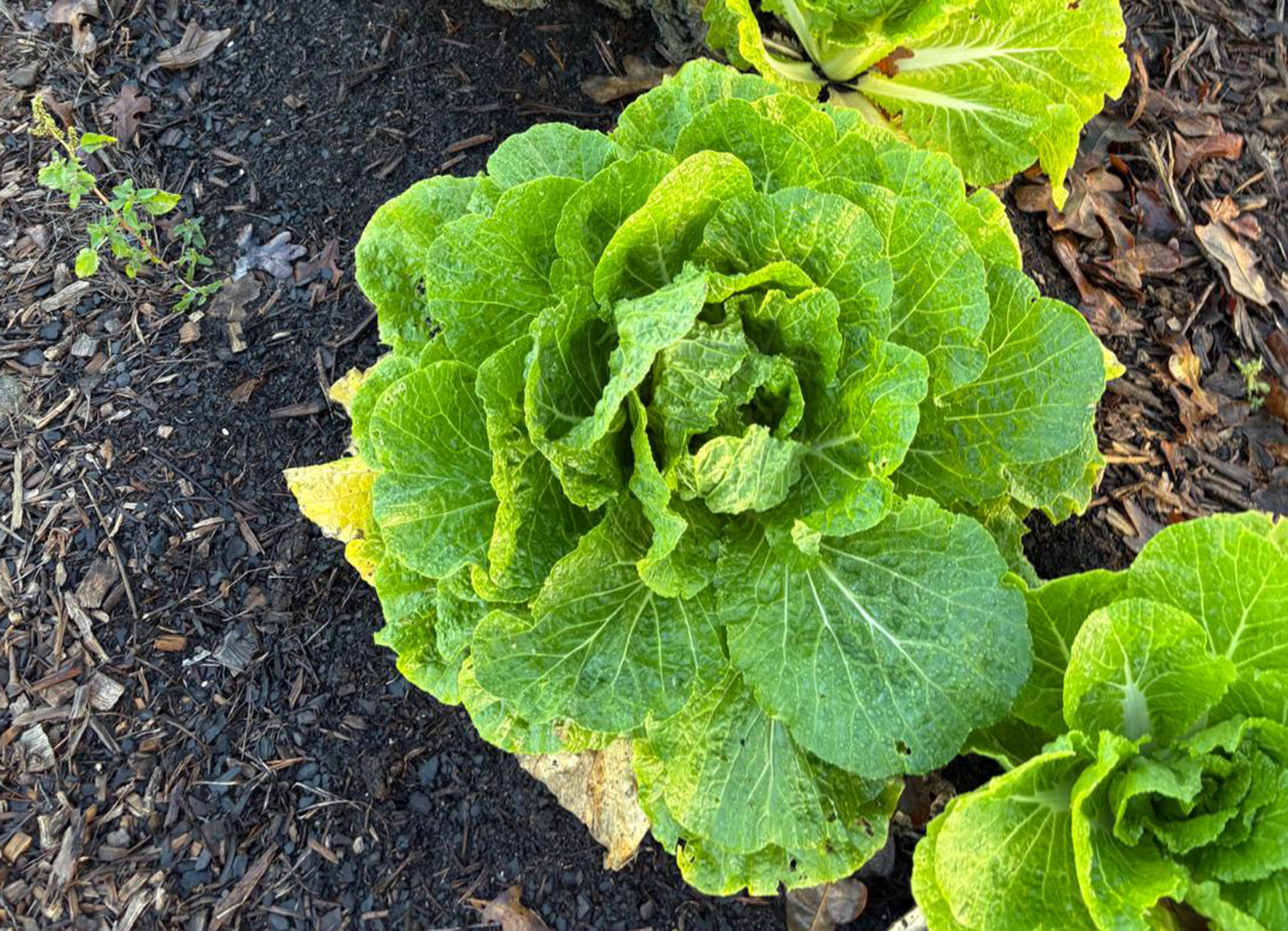
Researchers at Texas A&M University are innovating by transforming locally grown cabbage into traditional Korean kimchi. This initiative, led by Seockmo Ku, Ph.D., aims to explore the intersection of fermentation science and food safety while creating new market opportunities for U.S. farmers.
The study focuses on how Texas-grown napa cabbage and other leafy greens perform during the fermentation process. Kimchi, a staple dish that originated in Korea and is primarily made from napa cabbage, has seen a decline in domestic production due to shrinking farmland in South Korea. As a result, there is a growing need for alternative sources of this popular food.
Ku and his team are investigating whether kimchi made with American ingredients can meet the high standards of quality and flavor traditionally associated with Korean products. “The core of this project is supporting farmers by increasing the value of what they grow,” said Ku. He emphasized that fermentation can extend the shelf life of crops, thereby opening up broader market potential.
Addressing Global Demand
The shift of kimchi production outside of South Korea has raised consumer concerns regarding quality and safety. Ku highlights the advantages of U.S. agriculture, such as extensive leafy green production and stringent food safety regulations, as essential factors for producing high-quality kimchi. “Our research asks whether kimchi made in the United States can match the quality and flavor people expect,” he noted.
Doctoral student Min Ji Jang, who has experience from South Korea’s World Institute of Kimchi, brings invaluable insights into the fermentation process. “Kimchi was one of the first foods regulated under hazard analysis and critical control point systems in Korea,” Jang explained. “Food produced in the U.S. also follows strict safety controls, which support consistent and safe fermentation.”
The research team closely monitors how microbial communities develop during fermentation, utilizing pest-free crops sourced from local Texas growers. They seek to quantify microbial activity, processing conditions, and sensory characteristics rather than relying on assumptions about quality.
Innovative Research and Community Engagement
Another key contributor, doctoral student Sehyeon Song, is examining how fermentation science can predict kimchi’s future. As the lead author of a recent peer-reviewed study, he analyzes microbiome mapping and artificial intelligence’s role in forecasting fermentation outcomes. “Kimchi made with local ingredients reflects dietary patterns in the United States,” Song stated. This research aligns with the increasing interest in gut health and fermented foods.
To connect their research with local agriculture, Ku’s team collaborates with farmers in and around College Station, Texas, to source cabbage for lab-scale kimchi production. They aim to evaluate whether American-made kimchi can thrive in both domestic and export markets. The researchers have submitted several grant proposals to expand their work, including studies on consumer acceptance and potential health impacts.
Beyond research, Ku and his team engage with the community by utilizing fermentation as an educational tool. They partnered with Hyunyi Jung, Ph.D., from the Texas A&M College of Education and Human Development, to co-design authentic math and science activities centered on kimchi fermentation for middle school students. This initiative involved collaboration with the Boys and Girls Clubs of the Brazos Valley, allowing students to interact with scientists while exploring essential mathematical and scientific principles.
“Fermentation helps students see math and science through healthy food and culture,” Ku commented. As Texas-grown cabbage ferments in the labs at Texas A&M, this research not only showcases the potential of local agriculture but also highlights how it can intersect with global food traditions.













Revolutionary Photonic Ski-Jump Could Miniaturize LiDAR Systems

Couples Detox from Plastics in New Netflix Doc: Can It Boost Fertility?

Aventon Launches Affordable Full-Suspension Electric Mountain Bike

Discover Eight Must-Try Restaurants This Spring Season

UC Irvine Team Unveils Innovative Ion Pump for Water Treatment

One-Third of Americans Trim Daily Expenses for Healthcare Needs

Apple Secures First Oscar in Three Years with F1: The Movie

Fourth Graders Celebrate St. Patrick’s Day with Creative Weather Drawings

Kim Kardashian Dazzles at Vanity Fair Oscars Party 2026

Nostradamus’ 2026 Predictions: Star Death and Dark Events Loom

Breakthroughs and Challenges Await Science in 2026

OpenAI to Implement Age Verification for ChatGPT by December 2025

Electric Moto Influencer Surronster Arrested in Tijuana

Discover the Top 10 Calorie Counting Apps of 2025

Bella Hadid Shares Health Update After Treatment for Lyme Disease

Analysts Project Stronger Growth for Apple’s iPhone 17 Lineup

Top 10 Penny Stocks to Watch in 2026 for Strong Returns

Japanese Study Finds Rose Oil Can Increase Brain Gray Matter
-
 Science3 months ago
Nostradamus’ 2026 Predictions: Star Death and Dark Events Loom
-
 Science3 months ago
Breakthroughs and Challenges Await Science in 2026
-
 Technology4 months ago
OpenAI to Implement Age Verification for ChatGPT by December 2025
-
 Technology6 months ago
Electric Moto Influencer Surronster Arrested in Tijuana
-
 Technology8 months ago
Discover the Top 10 Calorie Counting Apps of 2025
-
 Health6 months ago
Bella Hadid Shares Health Update After Treatment for Lyme Disease
-
 Health7 months ago
Analysts Project Stronger Growth for Apple’s iPhone 17 Lineup
-
 Technology3 months ago
Top 10 Penny Stocks to Watch in 2026 for Strong Returns
-
 Health7 months ago
Japanese Study Finds Rose Oil Can Increase Brain Gray Matter
-

 Science5 months ago
Starship V3 Set for 2026 Launch After Successful Final Test of Version 2
-

 Education7 months ago
Harvard Secures Court Victory Over Federal Funding Cuts
-

 Technology4 weeks ago
Nvidia GTC 2026: Major Announcements Expected for AI and Hardware