
Health
Teens Face Historic Sleep Shortage, Study Reveals Alarming Trends

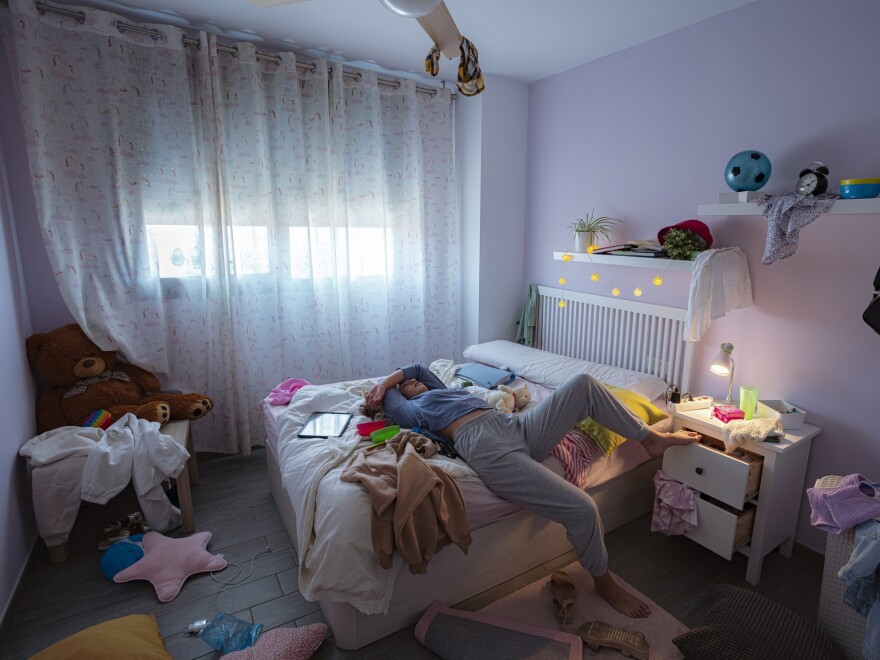
A recent study published in the Journal of the American Medical Association reveals that teenagers are sleeping less than ever, with approximately three out of four adolescents in the United States reporting insufficient sleep in 2023. This represents an increase of 8% since 2007.
The research, led by Tanner Bommersbach, a child and adolescent psychiatrist at the University of Wisconsin School of Medicine and Public Health, analyzed data from nearly 121,000 high school students participating in the Youth Risk Behavior Survey. The findings indicate a troubling trend, particularly among specific demographic groups.
Alarming Trends in Sleep Patterns
The study defined insufficient sleep as less than eight hours per night. Bommersbach noted a significant rise in the number of teens getting very little sleep—defined as five hours or less. This group increased from 15.8% to 23.0% over the past 16 years. Notably, Black students reported a greater increase in sleep deprivation compared to their white counterparts.
While concerns often focus on the influence of electronic devices on sleep patterns, the study found an unexpected result. Bommersbach stated, “Teens who have very little screen time are actually seeing a greater rise in insufficient sleep than teens with heavy screen use.” This contradicts the predominant narrative that screens are the primary culprits behind sleep loss.
The research did not identify a clear link between sleep deprivation and risk behaviors such as mental health symptoms or substance use. Bommersbach emphasized that sleep deprivation is widespread among teenagers regardless of age, sex, or race and ethnicity.
Consequences and Recommendations for Better Sleep
The implications of reduced sleep for adolescents are serious, affecting mental health and academic performance. Bommersbach speculated that factors such as early school start times, increased extracurricular commitments, and reduced parental monitoring might contribute to this sleep crisis.
Anita Shelgikar, a neurologist at the University of Michigan Medical School and president of the American Academy of Sleep Medicine, described adolescent sleep deprivation as “an epidemic in our country.” She advocates for practical changes that can help improve sleep quality among teenagers.
Shelgikar recommends several strategies, including dimming lights and reducing electronic usage before bedtime, maintaining a consistent sleep schedule, and ensuring a sleeping environment that is cool, dark, and quiet. She also highlights the importance of exposure to natural light in the morning, which can help regulate the body’s internal clock.
Furthermore, Shelgikar encourages adults to model healthy sleep practices and advocate for sleep health education within school curricula. Research has shown that delaying school start times leads to improved sleep duration and academic performance among students.
As the evidence mounts, she asserts, “This is certainly a call to action.” The urgent need for change is evident, as the well-being of a generation hinges on the quality of their sleep.












Revolutionary Photonic Ski-Jump Could Miniaturize LiDAR Systems

Couples Detox from Plastics in New Netflix Doc: Can It Boost Fertility?

Aventon Launches Affordable Full-Suspension Electric Mountain Bike

Discover Eight Must-Try Restaurants This Spring Season

UC Irvine Team Unveils Innovative Ion Pump for Water Treatment

One-Third of Americans Trim Daily Expenses for Healthcare Needs

Apple Secures First Oscar in Three Years with F1: The Movie

Fourth Graders Celebrate St. Patrick’s Day with Creative Weather Drawings

Kim Kardashian Dazzles at Vanity Fair Oscars Party 2026

Nostradamus’ 2026 Predictions: Star Death and Dark Events Loom

Breakthroughs and Challenges Await Science in 2026

Electric Moto Influencer Surronster Arrested in Tijuana

OpenAI to Implement Age Verification for ChatGPT by December 2025

Discover the Top 10 Calorie Counting Apps of 2025

Bella Hadid Shares Health Update After Treatment for Lyme Disease

Analysts Project Stronger Growth for Apple’s iPhone 17 Lineup

Japanese Study Finds Rose Oil Can Increase Brain Gray Matter

Top 10 Penny Stocks to Watch in 2026 for Strong Returns
-
 Science4 months ago
Nostradamus’ 2026 Predictions: Star Death and Dark Events Loom
-
 Science4 months ago
Breakthroughs and Challenges Await Science in 2026
-
 Technology7 months ago
Electric Moto Influencer Surronster Arrested in Tijuana
-
 Technology4 months ago
OpenAI to Implement Age Verification for ChatGPT by December 2025
-
 Technology9 months ago
Discover the Top 10 Calorie Counting Apps of 2025
-
 Health7 months ago
Bella Hadid Shares Health Update After Treatment for Lyme Disease
-
 Health7 months ago
Analysts Project Stronger Growth for Apple’s iPhone 17 Lineup
-
 Health7 months ago
Japanese Study Finds Rose Oil Can Increase Brain Gray Matter
-
 Technology4 months ago
Top 10 Penny Stocks to Watch in 2026 for Strong Returns
-

 Science6 months ago
Starship V3 Set for 2026 Launch After Successful Final Test of Version 2
-

 Technology1 month ago
Nvidia GTC 2026: Major Announcements Expected for AI and Hardware
-

 Education7 months ago
Harvard Secures Court Victory Over Federal Funding Cuts