
Health
Expert Tips for Effective Pruning to Boost Plant Health

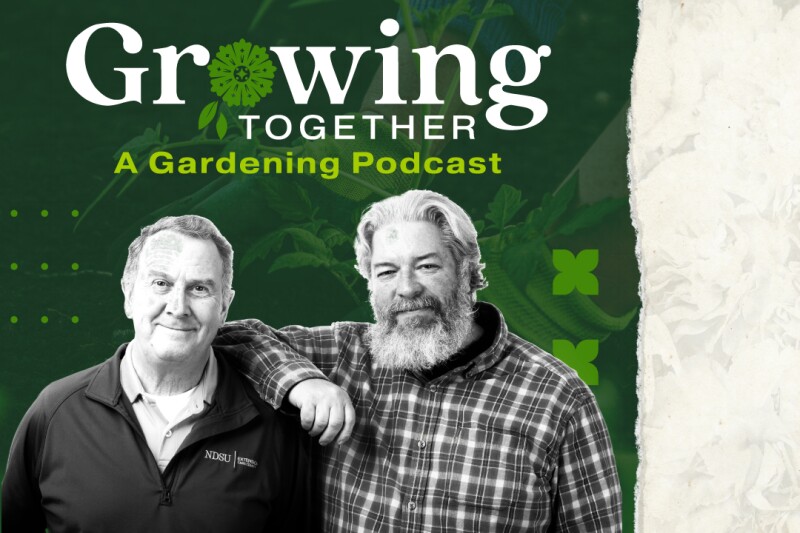
Pruning can significantly enhance plant health and yield, but many gardeners hesitate due to concerns about potential damage. In a recent discussion, horticultural experts Don and John shared essential techniques to prune effectively, ensuring plants thrive without unnecessary harm.
Understanding the right approach to pruning can transform your gardening experience. Proper pruning not only promotes better air circulation and light penetration but also encourages new growth. In their conversation, Don and John emphasized that the key to successful pruning lies in understanding the specific needs of different plants.
Benefits of Pruning
Pruning offers multiple advantages. For starters, it can lead to healthier plants and improved yields. By removing dead or diseased branches, gardeners can prevent the spread of pathogens that could otherwise weaken their plants. Furthermore, well-pruned plants often exhibit a more attractive shape, enhancing the overall aesthetics of gardens.
Don pointed out that improper pruning could do more harm than good. “It’s crucial to know when and how to prune,” he stated. Timing can vary based on the type of plant and its growth cycle, meaning that gardeners should research their specific species before making cuts.
John added that using the right tools is essential. Sharp, clean pruning shears ensure a clean cut, which helps plants heal more quickly. He recommended sanitizing tools before use to minimize the risk of introducing diseases.
Pruning Techniques to Consider
Specific techniques can yield different results. For example, thinning involves selectively removing branches to improve light access and airflow. In contrast, topping—removing the top portion of a plant—can lead to stunted growth and should generally be avoided unless absolutely necessary.
Don and John encouraged gardeners to always make cuts at a 45-degree angle to promote healing. This technique allows water to run off rather than pooling, which can lead to rot. Additionally, they advised that cuts should be made just above a leaf node or bud to encourage healthy regrowth.
To prevent stress on the plant, it is advisable to prune during its dormant season. For many species, this is typically in late winter or early spring. Understanding the specific dormancy period of each plant can enhance the effectiveness of pruning efforts.
In conclusion, both Don and John highlighted the importance of education in gardening practices. With the right techniques and tools, pruning can lead to thriving plants and beautiful gardens. By following their advice, gardeners can embrace the benefits of pruning with confidence, ensuring both health and aesthetic appeal in their green spaces.









Revolutionary Photonic Ski-Jump Could Miniaturize LiDAR Systems

Couples Detox from Plastics in New Netflix Doc: Can It Boost Fertility?

Aventon Launches Affordable Full-Suspension Electric Mountain Bike

Discover Eight Must-Try Restaurants This Spring Season

UC Irvine Team Unveils Innovative Ion Pump for Water Treatment

One-Third of Americans Trim Daily Expenses for Healthcare Needs

Apple Secures First Oscar in Three Years with F1: The Movie

Fourth Graders Celebrate St. Patrick’s Day with Creative Weather Drawings

Kim Kardashian Dazzles at Vanity Fair Oscars Party 2026

Nostradamus’ 2026 Predictions: Star Death and Dark Events Loom

Breakthroughs and Challenges Await Science in 2026

Electric Moto Influencer Surronster Arrested in Tijuana

OpenAI to Implement Age Verification for ChatGPT by December 2025

Discover the Top 10 Calorie Counting Apps of 2025

Recovering a Suspended TikTok Account: A Step-by-Step Guide

Bella Hadid Shares Health Update After Treatment for Lyme Disease

Backpack Drives Equip Students with Supplies for New School Year

Analysts Project Stronger Growth for Apple’s iPhone 17 Lineup
-
 Science7 months ago
Nostradamus’ 2026 Predictions: Star Death and Dark Events Loom
-
 Science8 months ago
Breakthroughs and Challenges Await Science in 2026
-
 Technology11 months ago
Electric Moto Influencer Surronster Arrested in Tijuana
-
 Technology8 months ago
OpenAI to Implement Age Verification for ChatGPT by December 2025
-
 Technology1 year ago
Discover the Top 10 Calorie Counting Apps of 2025
-
 Technology1 year ago
Recovering a Suspended TikTok Account: A Step-by-Step Guide
-
 Health11 months ago
Bella Hadid Shares Health Update After Treatment for Lyme Disease
-
 Education1 year ago
Backpack Drives Equip Students with Supplies for New School Year
-
 Health11 months ago
Analysts Project Stronger Growth for Apple’s iPhone 17 Lineup
-

 Technology8 months ago
Top 10 Penny Stocks to Watch in 2026 for Strong Returns
-

 Health11 months ago
Japanese Study Finds Rose Oil Can Increase Brain Gray Matter
-

 Science10 months ago
Starship V3 Set for 2026 Launch After Successful Final Test of Version 2