
Health
Study Challenges Bedtime Rules for Teen Sleep Quality

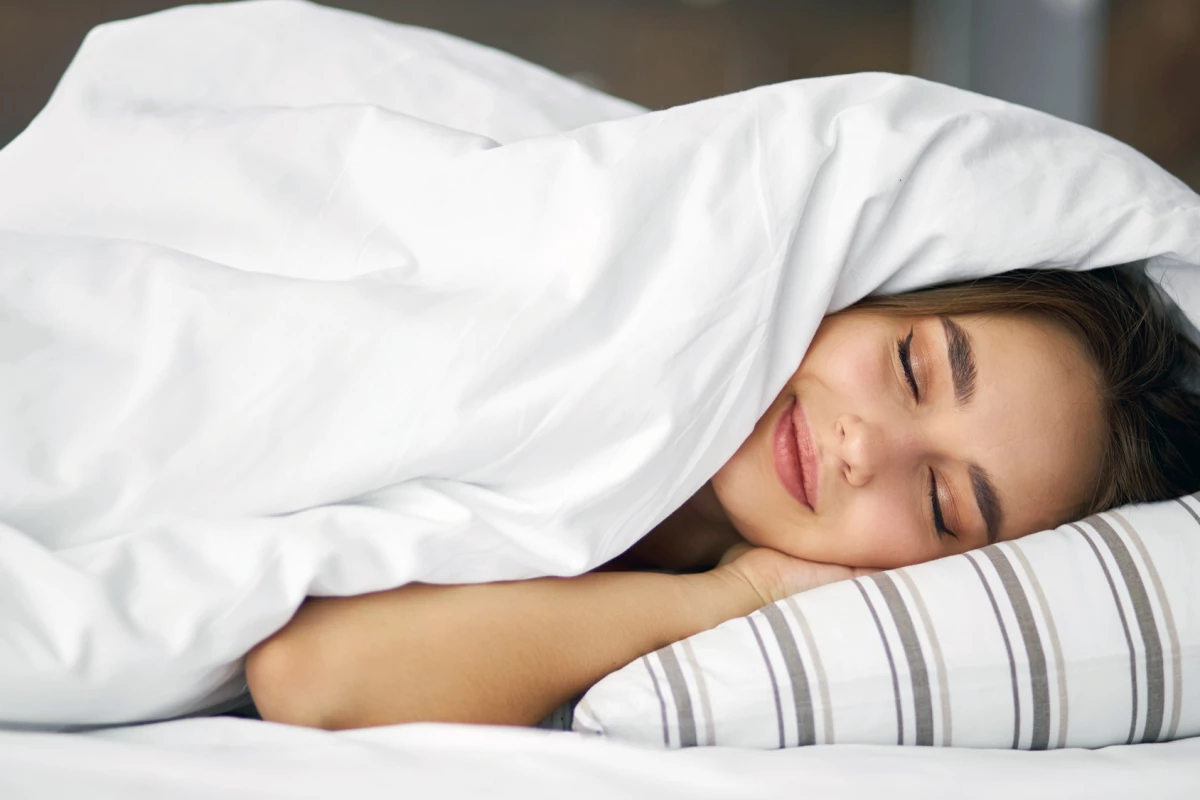
New research from the University of Otago in New Zealand reveals that traditional bedtime rules for teenagers—such as avoiding screens, snacks, and exercise before sleep—may be overly strict. The study indicates that despite frequently breaking these guidelines, most teenagers still maintain acceptable sleep quality.
The investigation focused on how the behaviors of older children and teens influence their sleep patterns. According to Chao Gu, the study’s lead author and a PhD candidate in the university’s Department of Medicine, “Sleep is incredibly important for teenagers to enable them to develop and function at their best, but so few studies have looked at pre-bed behavior and how it can impact rest using objective measures such as cameras.”
Research Methodology and Findings
The study evaluated the habits of 83 New Zealanders, aged between 11 and 15 years, over eight nights. Participants wore body cameras for four nights, while stationary cameras monitored their bedrooms. This setup allowed researchers to track moderate-to-vigorous physical activity, screen usage, and sleep metrics using wrist-worn accelerometers. Dietary intake was recorded through dietary recall, providing insight into food and drink consumption before bed.
Results showed that a staggering 99% of participants used screens before sleep, averaging around 32 minutes of screen time nightly. Despite this, screen use had no significant impact on overall sleep time or quality. However, it was noted that on nights when screens were used, children took approximately 23 minutes longer to fall asleep.
Physical activity before bed was less common, with only 22% of participants engaging in moderate-to-vigorous exercise in the hour leading up to sleep. Interestingly, those who did exercise managed to sleep about 34 minutes longer than on non-exercise nights, although this was not definitively linked to improved sleep quality.
Food consumption also played a role in the research. The study found that 63% of participants consumed snacks before bed, yet no notable correlation was established between eating—whether it involved caffeine, sugar, or fatty foods—and sleep outcomes.
Implications for Sleep Guidelines
Gu commented on the findings, stating, “Not many teenagers followed current sleep guidelines, but those who did experienced little difference in their sleep.” The research suggests that the prevailing sleep hygiene advice may need reevaluation. While the current guidelines emphasize strict avoidance of screens, snacks, and exercise, the results indicate these behaviors had minimal impact on sleep quality, apart from a slight delay in falling asleep due to screen use.
The study’s limitations include its reliance on a primarily socioeconomically advantaged sample and the nature of dietary recall, which could lead to inaccuracies. Additionally, the infrequent pre-bed exercise makes it challenging to draw definitive conclusions about its effects.
While the study does not establish direct cause-and-effect relationships, it highlights the need for a shift in focus from strict prohibitions to a more balanced approach. Researchers plan to conduct further studies involving participants aged 10 to 15 years to refine bedtime guidance for families seeking to optimize their children’s sleep.
The findings were published in the journal Pediatrics Open Science, contributing to a growing body of literature that questions established sleep hygiene practices for adolescents. As sleep remains a critical component of health and development in teenagers, ongoing research will be vital in shaping future recommendations.











Revolutionary Photonic Ski-Jump Could Miniaturize LiDAR Systems

Couples Detox from Plastics in New Netflix Doc: Can It Boost Fertility?

Aventon Launches Affordable Full-Suspension Electric Mountain Bike

Discover Eight Must-Try Restaurants This Spring Season

UC Irvine Team Unveils Innovative Ion Pump for Water Treatment

One-Third of Americans Trim Daily Expenses for Healthcare Needs

Apple Secures First Oscar in Three Years with F1: The Movie

Fourth Graders Celebrate St. Patrick’s Day with Creative Weather Drawings

Kim Kardashian Dazzles at Vanity Fair Oscars Party 2026

Nostradamus’ 2026 Predictions: Star Death and Dark Events Loom

Breakthroughs and Challenges Await Science in 2026

Electric Moto Influencer Surronster Arrested in Tijuana

OpenAI to Implement Age Verification for ChatGPT by December 2025

Discover the Top 10 Calorie Counting Apps of 2025

Recovering a Suspended TikTok Account: A Step-by-Step Guide

Bella Hadid Shares Health Update After Treatment for Lyme Disease

Analysts Project Stronger Growth for Apple’s iPhone 17 Lineup

Japanese Study Finds Rose Oil Can Increase Brain Gray Matter
-
 Science7 months ago
Nostradamus’ 2026 Predictions: Star Death and Dark Events Loom
-
 Science7 months ago
Breakthroughs and Challenges Await Science in 2026
-
 Technology10 months ago
Electric Moto Influencer Surronster Arrested in Tijuana
-
 Technology8 months ago
OpenAI to Implement Age Verification for ChatGPT by December 2025
-
 Technology12 months ago
Discover the Top 10 Calorie Counting Apps of 2025
-
 Technology1 year ago
Recovering a Suspended TikTok Account: A Step-by-Step Guide
-
 Health10 months ago
Bella Hadid Shares Health Update After Treatment for Lyme Disease
-
 Health10 months ago
Analysts Project Stronger Growth for Apple’s iPhone 17 Lineup
-
 Health11 months ago
Japanese Study Finds Rose Oil Can Increase Brain Gray Matter
-

 Technology7 months ago
Top 10 Penny Stocks to Watch in 2026 for Strong Returns
-

 Science9 months ago
Starship V3 Set for 2026 Launch After Successful Final Test of Version 2
-

 Technology9 months ago
InMotion Unveils P6 Electric Unicycle with 93 MPH Top Speed