
Health
Strengthen Your Core and Relieve Pain with Glute Bridge Marches

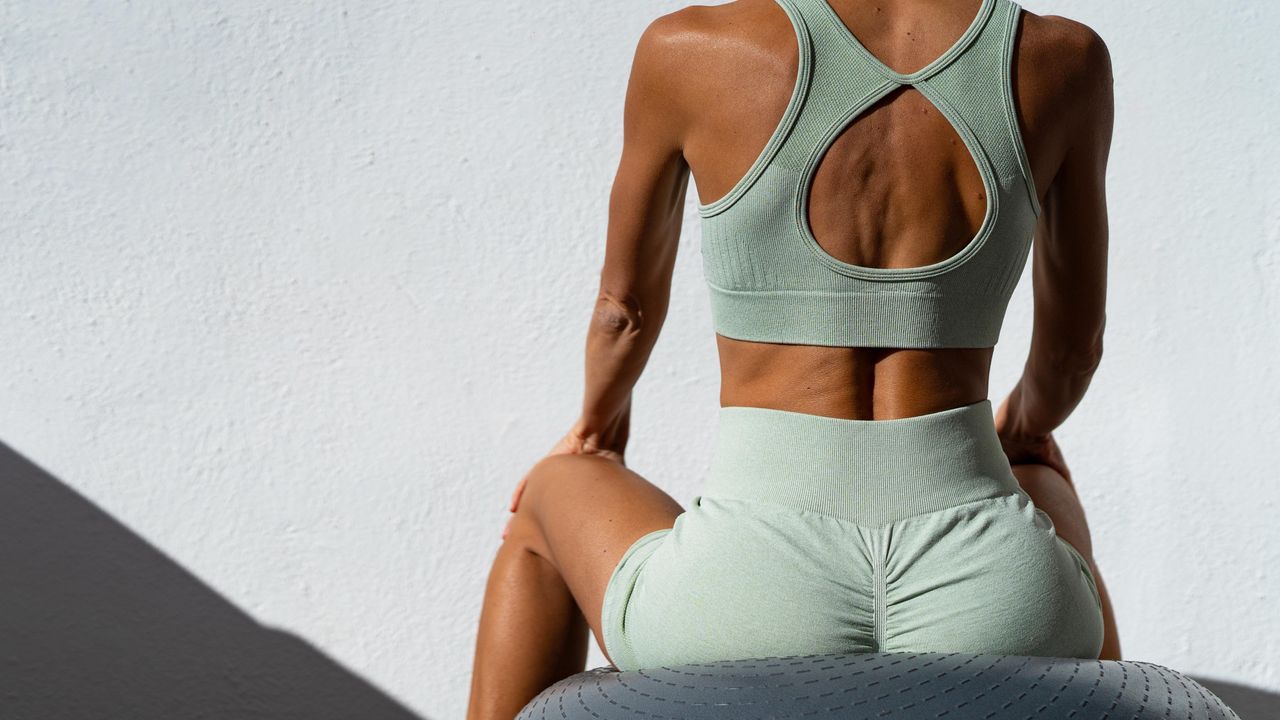
Engaging in regular Pilates practice can provide significant benefits for overall physical health, particularly in strengthening the core and alleviating lower back pain. One exercise that stands out for its effectiveness is the glute bridge march, which targets major muscle groups while promoting stability and mobility.
After a decade of practicing Pilates, many individuals find that it has alleviated conditions such as sciatica, improved core strength postpartum, and even enabled them to complete multiple marathons without injury. Pilates is not merely a core workout; it is designed to enhance body efficiency, balance, and coordination. The glute bridge march serves as a prime example of this philosophy.
Understanding the Glute Bridge March
The glute bridge march is particularly beneficial for strengthening the glutes and hamstrings while providing deep core stability. This exercise engages the gluteus maximus, medius, and minimus, all essential for activities such as walking and running. Additionally, it works the transverse abdominis, pelvic floor muscles, and obliques, which are crucial for stabilizing the pelvis during movement.
To perform the glute bridge march effectively, participants should focus on slow, controlled movements. This exercise plays a vital role in protecting the lower back from injury and improving hip alignment. By stretching tight hip flexor muscles, it also contributes to better posture and spinal health.
Executing the Glute Bridge March Correctly
To ensure safe and effective execution of the glute bridge march, follow these steps:
1. **Positioning**: Begin by lying on your back with knees bent and feet flat on the floor, hip-width apart. Your arms should rest comfortably by your sides or crossed over your chest.
2. **Lifting**: Engage your core and glutes, then lift your hips off the ground to form a straight line from your shoulders to your knees.
3. **Marching**: While maintaining the bridge position, lift one leg off the ground, keeping your knee bent at a 90-degree angle. Lower the leg back down and alternate with the other leg.
Maintaining proper form is essential to avoid common mistakes.
**Hip dips** are a frequent error, where the hip drops as one leg is lifted. To prevent this, keep your hips level throughout the movement. **Arching the lower back** is another mistake; ensure that the hips are lifted only to the point where the lower back remains neutral.
Using your arms for support can also detract from core engagement. Beginners may start with arms at their sides but should transition to more challenging arm positions as their strength increases. Lastly, moving too quickly can lead to less effective workouts; slow movements enhance muscle engagement.
Breathing is also crucial. Participants should exhale while lifting the leg and inhale when lowering it, ensuring breath control throughout the exercise.
After mastering the glute bridge march, various progressions can increase the challenge. These may include extending the duration of the march, increasing repetitions, or adding resistance bands for additional load.
In conclusion, incorporating the glute bridge march into a regular Pilates routine not only strengthens critical muscle groups but also promotes overall stability and reduces lower back pain. For those new to Pilates or returning to fitness post-injury or pregnancy, seeking personalized guidance is advisable to ensure a safe and effective practice.









Revolutionary Photonic Ski-Jump Could Miniaturize LiDAR Systems

Couples Detox from Plastics in New Netflix Doc: Can It Boost Fertility?

Aventon Launches Affordable Full-Suspension Electric Mountain Bike

Discover Eight Must-Try Restaurants This Spring Season

UC Irvine Team Unveils Innovative Ion Pump for Water Treatment

One-Third of Americans Trim Daily Expenses for Healthcare Needs

Apple Secures First Oscar in Three Years with F1: The Movie

Fourth Graders Celebrate St. Patrick’s Day with Creative Weather Drawings

Kim Kardashian Dazzles at Vanity Fair Oscars Party 2026

Nostradamus’ 2026 Predictions: Star Death and Dark Events Loom

Breakthroughs and Challenges Await Science in 2026

Electric Moto Influencer Surronster Arrested in Tijuana

OpenAI to Implement Age Verification for ChatGPT by December 2025

Discover the Top 10 Calorie Counting Apps of 2025

Bella Hadid Shares Health Update After Treatment for Lyme Disease

Analysts Project Stronger Growth for Apple’s iPhone 17 Lineup

Japanese Study Finds Rose Oil Can Increase Brain Gray Matter

Top 10 Penny Stocks to Watch in 2026 for Strong Returns
-
 Science3 months ago
Nostradamus’ 2026 Predictions: Star Death and Dark Events Loom
-
 Science4 months ago
Breakthroughs and Challenges Await Science in 2026
-
 Technology7 months ago
Electric Moto Influencer Surronster Arrested in Tijuana
-
 Technology4 months ago
OpenAI to Implement Age Verification for ChatGPT by December 2025
-
 Technology9 months ago
Discover the Top 10 Calorie Counting Apps of 2025
-
 Health7 months ago
Bella Hadid Shares Health Update After Treatment for Lyme Disease
-
 Health7 months ago
Analysts Project Stronger Growth for Apple’s iPhone 17 Lineup
-
 Health7 months ago
Japanese Study Finds Rose Oil Can Increase Brain Gray Matter
-
 Technology4 months ago
Top 10 Penny Stocks to Watch in 2026 for Strong Returns
-

 Science6 months ago
Starship V3 Set for 2026 Launch After Successful Final Test of Version 2
-

 Technology1 month ago
Nvidia GTC 2026: Major Announcements Expected for AI and Hardware
-

 Education7 months ago
Harvard Secures Court Victory Over Federal Funding Cuts