
Health
RFK Jr. Faces Intense Scrutiny Over Vaccine Policies and Agency Turmoil

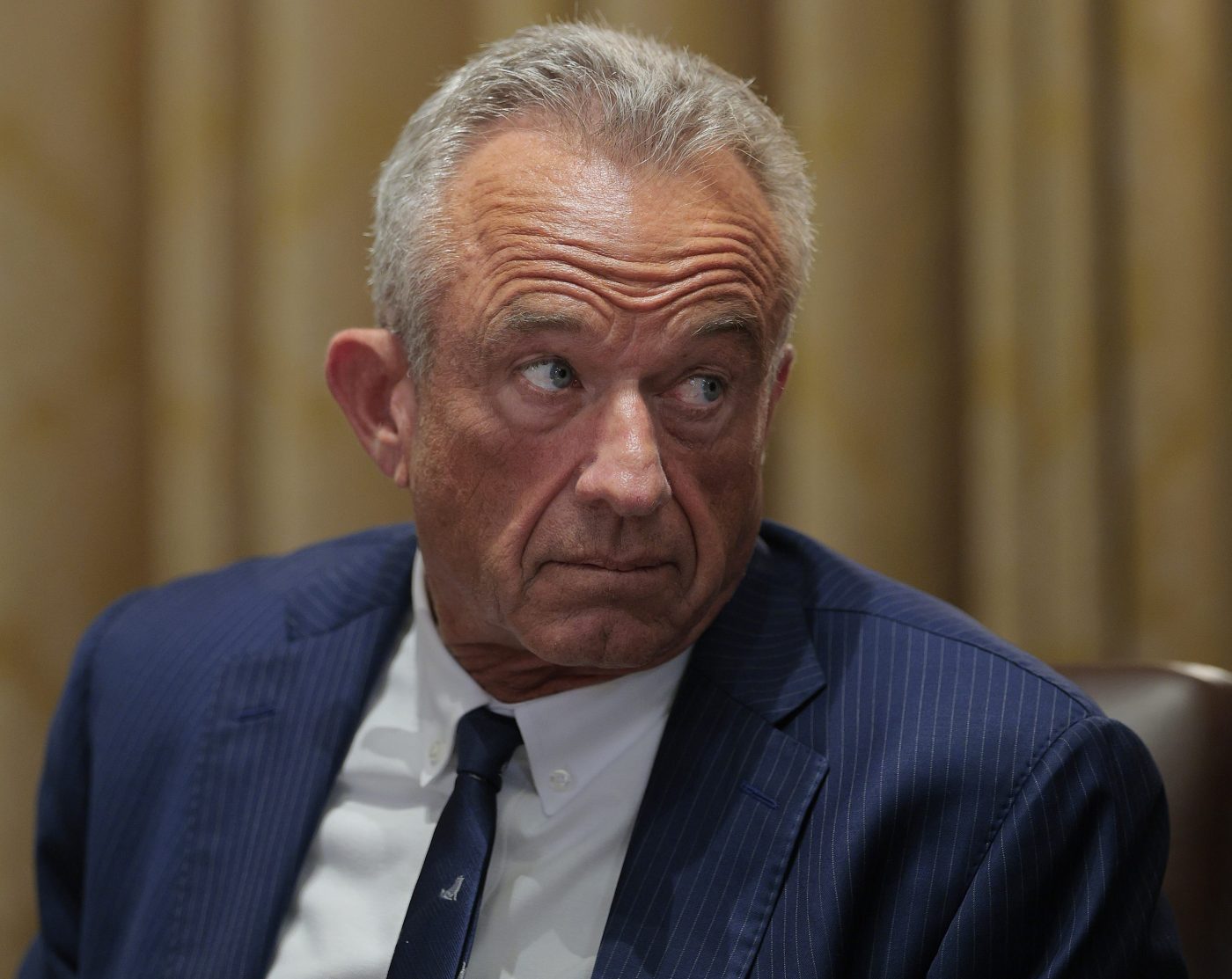
Health Secretary Robert F. Kennedy Jr. appeared before the Senate Finance Committee on Thursday, facing intense questioning regarding his controversial vaccine policies and the ongoing turmoil at federal health agencies. As a prominent vaccine skeptic, Kennedy’s approach has raised significant concerns among lawmakers and public health officials alike.
Kennedy’s testimony came amid reports of mass layoffs and budget cuts within the Department of Health and Human Services, including the recent ousting of Susan Monarez, the director of the Centers for Disease Control (CDC). Monarez, who was dismissed less than a month into her tenure, described her termination as part of a “deliberate effort” to undermine public health efforts in the United States. In an opinion piece for the Wall Street Journal, she stated, “Public health shouldn’t be partisan. Vaccines have saved millions of lives under administrations of both parties. I was fired for holding that line.”
Kennedy is expected to address not only the firing of Monarez but also the broader implications of his proposed changes to vaccine policies. Critics argue that these changes could jeopardize the nation’s ability to prevent disease outbreaks. Notably, he has announced that COVID-19 vaccines will no longer be recommended for healthy children and pregnant women, a decision met with strong opposition from various medical and public health organizations.
The tension surrounding Kennedy’s leadership is evident, as more than 1,000 past and current Health and Human Services staffers have signed a petition demanding his resignation. Among those closely monitoring the situation is Senator Bill Cassidy (R-Louisiana), chair of the health panel, who previously supported Kennedy during his contentious confirmation hearing. Cassidy had secured a pledge from Kennedy to preserve the integrity of a key federal vaccine advisory committee, which has since been reshuffled with members who share Kennedy’s skepticism towards vaccines.
In addition to these policy changes, Kennedy has also halted $500 million in grants aimed at developing innovative mRNA vaccines, further intensifying concerns about the direction of federal health strategies. Despite the backlash, Kennedy has claimed victories in persuading some food manufacturers to voluntarily remove artificial dyes and additives from their products.
As Kennedy navigates this challenging landscape, he faces mounting pressure to justify his actions and reassure both lawmakers and the public about the future of health policy in the United States. The outcome of this hearing may have lasting implications for the nation’s approach to vaccines and public health, as Kennedy’s administration continues to provoke debate and scrutiny from all sides.











Revolutionary Photonic Ski-Jump Could Miniaturize LiDAR Systems

Couples Detox from Plastics in New Netflix Doc: Can It Boost Fertility?

Aventon Launches Affordable Full-Suspension Electric Mountain Bike

Discover Eight Must-Try Restaurants This Spring Season

UC Irvine Team Unveils Innovative Ion Pump for Water Treatment

One-Third of Americans Trim Daily Expenses for Healthcare Needs

Apple Secures First Oscar in Three Years with F1: The Movie

Fourth Graders Celebrate St. Patrick’s Day with Creative Weather Drawings

Kim Kardashian Dazzles at Vanity Fair Oscars Party 2026

Nostradamus’ 2026 Predictions: Star Death and Dark Events Loom

Breakthroughs and Challenges Await Science in 2026

Electric Moto Influencer Surronster Arrested in Tijuana

OpenAI to Implement Age Verification for ChatGPT by December 2025

Discover the Top 10 Calorie Counting Apps of 2025

Recovering a Suspended TikTok Account: A Step-by-Step Guide

Bella Hadid Shares Health Update After Treatment for Lyme Disease

Backpack Drives Equip Students with Supplies for New School Year

Analysts Project Stronger Growth for Apple’s iPhone 17 Lineup
-
 Science8 months ago
Nostradamus’ 2026 Predictions: Star Death and Dark Events Loom
-
 Science8 months ago
Breakthroughs and Challenges Await Science in 2026
-
 Technology11 months ago
Electric Moto Influencer Surronster Arrested in Tijuana
-
 Technology9 months ago
OpenAI to Implement Age Verification for ChatGPT by December 2025
-
 Technology1 year ago
Discover the Top 10 Calorie Counting Apps of 2025
-
 Technology1 year ago
Recovering a Suspended TikTok Account: A Step-by-Step Guide
-
 Health11 months ago
Bella Hadid Shares Health Update After Treatment for Lyme Disease
-
 Education1 year ago
Backpack Drives Equip Students with Supplies for New School Year
-
 Health11 months ago
Analysts Project Stronger Growth for Apple’s iPhone 17 Lineup
-

 Health12 months ago
Japanese Study Finds Rose Oil Can Increase Brain Gray Matter
-

 Technology8 months ago
Top 10 Penny Stocks to Watch in 2026 for Strong Returns
-

 Science10 months ago
Starship V3 Set for 2026 Launch After Successful Final Test of Version 2