
Health
Recognizing Canine Dementia: 5 Key Signs to Watch For

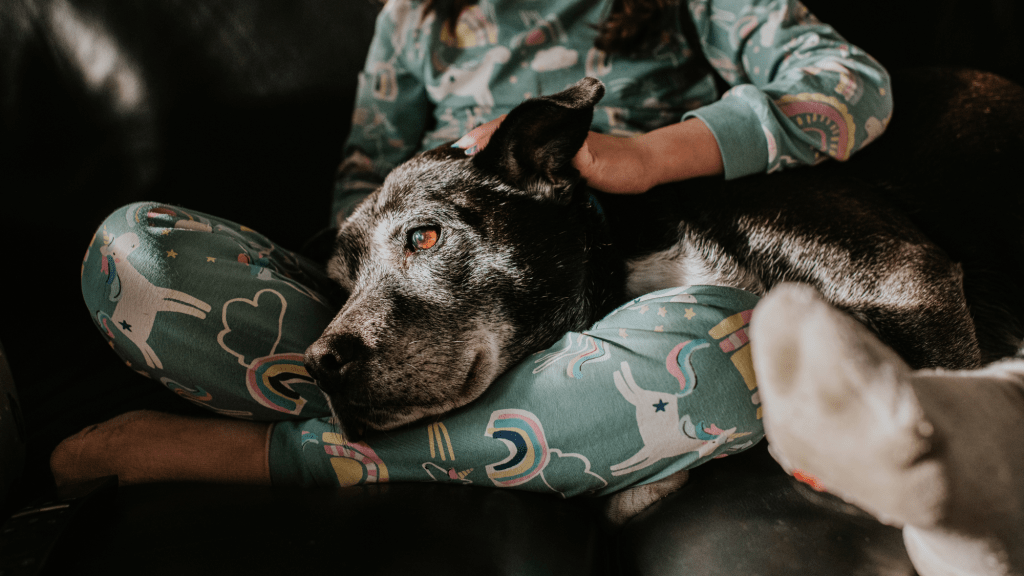
Pet owners often face heartbreak as their beloved dogs grow older, experiencing changes that can signal serious health issues. One such condition is **canine cognitive dysfunction**, commonly referred to as dog dementia. This brain disorder affects memory, awareness, sleep patterns, and behaviour, similar to Alzheimer’s disease in humans. Recognizing the signs early can make a significant difference in managing your dog’s quality of life.
Veterinary researchers have developed a simple acronym, **DISHA**, to help owners identify symptoms associated with this condition. It’s essential to note that observing one sign alone does not necessarily indicate dementia. However, if multiple signs appear repeatedly, it may be time to consult a veterinarian.
Signs of Canine Cognitive Dysfunction
**Disorientation** is often the first noticeable sign. A dog may seem lost in familiar surroundings, standing in corners, staring at walls, or getting stuck behind furniture. These behaviours may appear as simple lapses in attention, but they can indicate deeper cognitive issues.
**Interaction changes** are also common. Some dogs may become aloof, losing interest in their owners and no longer greeting them with enthusiasm. Conversely, other dogs may cling excessively, following their owners around and becoming distressed when left alone.
Changes in the **sleep-wake cycle** can also occur. Dogs may sleep during the day and become restless at night, pacing or vocalizing. This shift can be exhausting for owners who are unsure of the cause.
Another concerning sign is **house-soiling**. Dogs that have been reliably house-trained may begin to have accidents indoors. This behaviour is not due to stubbornness; rather, it may result from confusion or an inability to signal their need to go outside.
Finally, noticeable shifts in **activity levels** can indicate cognitive decline. Dogs may show less interest in walks, toys, and play. Some may develop repetitive behaviours, such as pacing or circling, while others may exhibit increased anxiety or irritability.
Support and Care for Affected Dogs
Age is the most significant risk factor for canine cognitive dysfunction. Research indicates that approximately **35 percent of dogs over eight years old** exhibit signs of cognitive decline, with even higher rates in senior dogs. A large-scale study found that nearly **two-thirds of dogs aged seven and older** demonstrated measurable cognitive changes.
While there is no cure for this condition, various forms of support can improve a dog’s quality of life. Diets rich in **omega-3 fatty acids** and **medium-chain triglycerides** may enhance brain function. Additionally, providing gentle exercise, engaging puzzle toys, and new scents can help keep dogs mentally stimulated. In some cases, veterinarians may recommend medications or supplements, such as **melatonin**, to aid sleep and reduce anxiety.
Adapting care routines is essential. Owners should consider blocking access to stairs, maintaining consistent furniture arrangements, using night lights, and sticking to regular schedules. These adjustments can help minimize confusion and anxiety for both the dog and the owner.
Researchers from the **Dog Aging Project** emphasize that understanding cognitive decline in dogs could further insights into Alzheimer’s disease in humans. This connection highlights the importance of ongoing research in the field.
Ultimately, approaching this condition with compassion is crucial. Dogs are not being difficult or forgetting their owners; they are grappling with a world that has become increasingly challenging for them. By paying attention, adjusting expectations, and providing support, owners can help ensure that their dogs navigate their later years with dignity and comfort.

Revolutionary Photonic Ski-Jump Could Miniaturize LiDAR Systems

Couples Detox from Plastics in New Netflix Doc: Can It Boost Fertility?

Aventon Launches Affordable Full-Suspension Electric Mountain Bike

Discover Eight Must-Try Restaurants This Spring Season

UC Irvine Team Unveils Innovative Ion Pump for Water Treatment

One-Third of Americans Trim Daily Expenses for Healthcare Needs

Apple Secures First Oscar in Three Years with F1: The Movie

Fourth Graders Celebrate St. Patrick’s Day with Creative Weather Drawings

Kim Kardashian Dazzles at Vanity Fair Oscars Party 2026

Nostradamus’ 2026 Predictions: Star Death and Dark Events Loom

Breakthroughs and Challenges Await Science in 2026

Electric Moto Influencer Surronster Arrested in Tijuana

OpenAI to Implement Age Verification for ChatGPT by December 2025

Discover the Top 10 Calorie Counting Apps of 2025

Recovering a Suspended TikTok Account: A Step-by-Step Guide

Bella Hadid Shares Health Update After Treatment for Lyme Disease

Backpack Drives Equip Students with Supplies for New School Year

Analysts Project Stronger Growth for Apple’s iPhone 17 Lineup
-
 Science8 months ago
Nostradamus’ 2026 Predictions: Star Death and Dark Events Loom
-
 Science8 months ago
Breakthroughs and Challenges Await Science in 2026
-
 Technology11 months ago
Electric Moto Influencer Surronster Arrested in Tijuana
-
 Technology9 months ago
OpenAI to Implement Age Verification for ChatGPT by December 2025
-
 Technology1 year ago
Discover the Top 10 Calorie Counting Apps of 2025
-
 Technology1 year ago
Recovering a Suspended TikTok Account: A Step-by-Step Guide
-
 Health11 months ago
Bella Hadid Shares Health Update After Treatment for Lyme Disease
-
 Education1 year ago
Backpack Drives Equip Students with Supplies for New School Year
-
 Health11 months ago
Analysts Project Stronger Growth for Apple’s iPhone 17 Lineup
-

 Health12 months ago
Japanese Study Finds Rose Oil Can Increase Brain Gray Matter
-

 Technology8 months ago
Top 10 Penny Stocks to Watch in 2026 for Strong Returns
-

 Science10 months ago
Starship V3 Set for 2026 Launch After Successful Final Test of Version 2