
Health
Navigating Neurodiversity: The Movement’s Challenges and Future

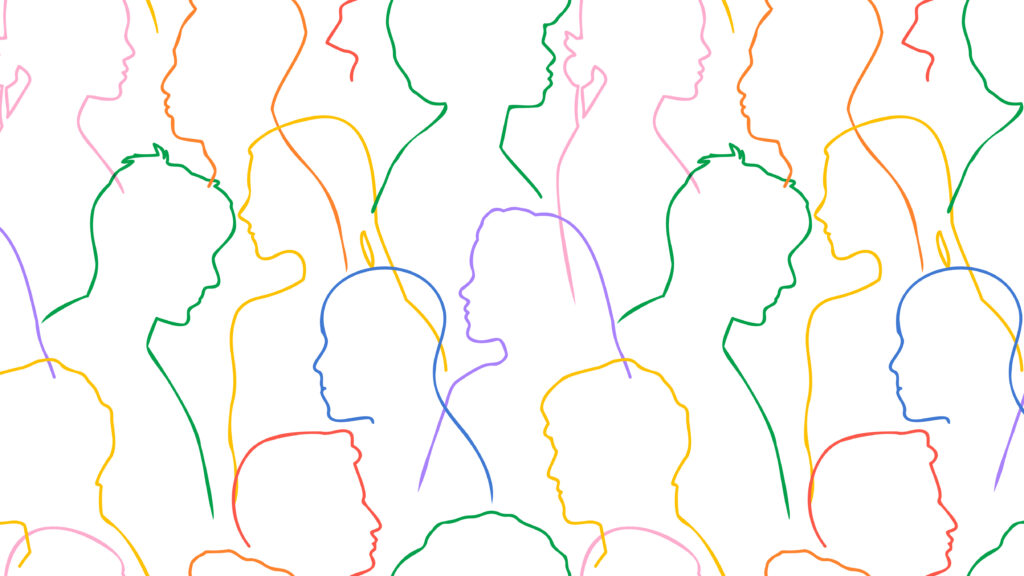
The neurodiversity movement is gaining significant attention, fostering discussions about the daily experiences of individuals with neurological variations. Advocates are actively sharing their stories online and in public forums, encouraging a more inclusive understanding of conditions such as ADHD and autism. This growing visibility has sparked a renewed hope for a future where neurodiverse individuals can thrive in various settings, from workplaces to educational institutions.
As social media platforms become a primary outlet for sharing these narratives, many neurodivergent influencers have emerged, demonstrating increased confidence and a desire to educate others about their experiences. These influencers are not only communicating their personal journeys but are also helping to break down the stigma surrounding neurodiversity. Viewers often find themselves reflecting on their behaviors, leading to a broader conversation about neurological differences.
Definitional Challenges and Community Dynamics
Despite the optimism surrounding the neurodiversity movement, challenges persist, particularly regarding the language used to define it. The term “neurodiversity” implies that all individuals possess unique neurological traits; however, this broad definition can lead to misunderstandings. While all humans are neurologically distinct, the movement specifically addresses those who identify with conditions like ADHD, autism, Tourette’s syndrome, and bipolar disorder. This focus on a defined “other” can inadvertently create divisions within the community.
Critics argue that vague terminology may weaken the movement’s credibility. If advocates cannot provide clear definitions and responses to criticisms, the momentum gained could falter. A fundamental tenet of neurodiversity is the acknowledgment that individuals who deviate from societal norms should not be labeled as deficient or disabled. This perspective encourages greater acceptance and autonomy for those who identify as neurodivergent.
Moreover, the concept of “otherness” within the neurodiversity framework raises questions about societal perceptions. As neurological variations become more widely recognized, the distinction between neurodivergent and neurotypical individuals may blur. Just as people do not neatly fit into categories of health conditions, the binary understanding of neurological differences may also be too simplistic.
The Future of Neurodiversity
The potential for neurodiversity to evolve into a broader movement that celebrates all forms of diversity is significant. As more individuals recognize traits within themselves that align with neurodivergent characteristics, the notion of a minority may shift. Achieving a societal consensus that embraces differences in personality and behavior could redefine what it means to be neurotypical or neurodivergent.
Jack Pemment, a science writer and essayist, emphasizes the importance of recognizing the complexities within the neurodiversity conversation. He suggests that true progress will involve acknowledging the continuum of neurological differences that exist among all individuals. The movement’s ultimate goal may be to foster a society where every individual, regardless of their neurological makeup, is respected and valued.
In conclusion, while the neurodiversity movement is making strides toward greater acceptance and understanding, it must also navigate the challenges of language and identity. Advocates are encouraged to refine their definitions and embrace the nuances of neurological diversity. The journey towards inclusivity may ultimately lead to a broader celebration of human differences, reinforcing the idea that there are no typical brains, only a vast spectrum of human experience.








Revolutionary Photonic Ski-Jump Could Miniaturize LiDAR Systems

Couples Detox from Plastics in New Netflix Doc: Can It Boost Fertility?

Aventon Launches Affordable Full-Suspension Electric Mountain Bike

Discover Eight Must-Try Restaurants This Spring Season

UC Irvine Team Unveils Innovative Ion Pump for Water Treatment

One-Third of Americans Trim Daily Expenses for Healthcare Needs

Apple Secures First Oscar in Three Years with F1: The Movie

Fourth Graders Celebrate St. Patrick’s Day with Creative Weather Drawings

Kim Kardashian Dazzles at Vanity Fair Oscars Party 2026

Nostradamus’ 2026 Predictions: Star Death and Dark Events Loom

Breakthroughs and Challenges Await Science in 2026

Electric Moto Influencer Surronster Arrested in Tijuana

OpenAI to Implement Age Verification for ChatGPT by December 2025

Discover the Top 10 Calorie Counting Apps of 2025

Recovering a Suspended TikTok Account: A Step-by-Step Guide

Bella Hadid Shares Health Update After Treatment for Lyme Disease

Backpack Drives Equip Students with Supplies for New School Year

Analysts Project Stronger Growth for Apple’s iPhone 17 Lineup
-
 Science8 months ago
Nostradamus’ 2026 Predictions: Star Death and Dark Events Loom
-
 Science8 months ago
Breakthroughs and Challenges Await Science in 2026
-
 Technology11 months ago
Electric Moto Influencer Surronster Arrested in Tijuana
-
 Technology9 months ago
OpenAI to Implement Age Verification for ChatGPT by December 2025
-
 Technology1 year ago
Discover the Top 10 Calorie Counting Apps of 2025
-
 Technology1 year ago
Recovering a Suspended TikTok Account: A Step-by-Step Guide
-
 Health11 months ago
Bella Hadid Shares Health Update After Treatment for Lyme Disease
-
 Education1 year ago
Backpack Drives Equip Students with Supplies for New School Year
-
 Health11 months ago
Analysts Project Stronger Growth for Apple’s iPhone 17 Lineup
-

 Health12 months ago
Japanese Study Finds Rose Oil Can Increase Brain Gray Matter
-

 Technology8 months ago
Top 10 Penny Stocks to Watch in 2026 for Strong Returns
-

 Science10 months ago
Starship V3 Set for 2026 Launch After Successful Final Test of Version 2