
Health
Minnesota Launches Paid Family and Medical Leave Program in 2024

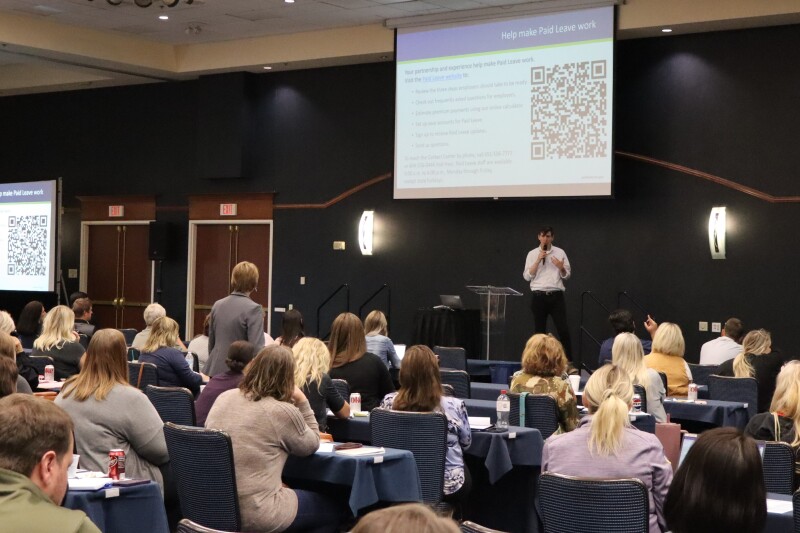
A new Paid Family and Medical Leave (PFML) program is set to begin in Minnesota on January 1, 2024, sparking debate among business leaders and government officials. The program, signed into law by Governor Tim Walz in 2023, aims to provide employees with up to 12 weeks of paid medical leave and 12 weeks of paid family leave annually, with a cap at 20 weeks. While some see it as a vital tool for worker retention and well-being, others express concerns about its potential impact on small businesses and regional workforce shortages.
The initiative is designed to support employees during significant health events and family needs, as highlighted by Greg Norfleet, director at the Minnesota Department of Employment and Economic Development (DEED). “Our program covers serious health care conditions and life events that employees will need time off to deal with,” Norfleet stated. The program aims to address critical moments in a person’s life, ensuring that employees can be present during these times without the stress of financial loss.
Funding for the PFML program will come from a combination of surplus dollars and payroll taxes, shared between employers and employees. For most businesses, the tax rate is set at 0.88%, with the standard split of 0.44% for both parties. Small businesses, defined as those with fewer than 30 employees earning below 150% of the statewide average weekly wage, will face a lower tax rate of 0.66%, with employees contributing 0.44% and employers just 0.22%. Employees taking leave will receive between 55% and 90% of their wages, depending on their income level.
Critics of the program, such as Senator Mark Johnson from East Grand Forks, argue that while the concept may sound beneficial, the implementation will create unnecessary bureaucracy. “We are going to build a 400-person bureaucracy. We are going to give the most generous benefits across the nation,” Johnson remarked, suggesting that this could deter businesses from operating in Minnesota, particularly in border communities.
Concerns about the financial implications for small businesses are echoed by Nancy Miller, owner of Vinna Human Resources. Representing over 85 companies statewide, she believes the costs associated with PFML will exceed initial expectations, impacting not only payroll taxes but also administrative expenses. “I think 20 weeks is excessive. I think 12 weeks would have been fine,” Miller commented, adding that the generous wage replacement could discourage employees from returning to work promptly.
In contrast, Penny Stai, owner of River Cinema in East Grand Forks, views the program positively. With approximately $1 million in annual payroll, she estimates her business’s contribution to the program would be around $8,800 each year. “As long as it’s a good thing for the staff and for our community, that’s fine with me,” Stai stated, emphasizing her commitment to supporting employees and their families.
Despite her support, Stai acknowledges potential staffing challenges that may arise from the program. “The hardest part is just going to be for small-staffed places to be able to fill those positions for a month or three months until they return,” she noted. This sentiment is shared by Ryan Wall, vice president of administration for American Crystal Sugar, who anticipates increased staff shortages and associated overtime costs due to the leave provisions.
To mitigate staffing challenges, the Minnesota government is introducing Small Employer Assistance Grants, which will provide up to $3,000 per leave, capped at $6,000 annually for each employee. Despite differing opinions on the PFML program, Norfleet underscored its importance, stating, “The United States is one of only a few countries without a federal paid family and medical leave program.” With Minnesota becoming the 13th state to implement such a program, the government aims to promote healthier outcomes for employees and their families while benefiting businesses.
The PFML program will be managed by a newly established agency within DEED. Norfleet assured that the agency prioritizes “transparency and actionable information” through an online portal for employers to track leave requests and collaborate with state agencies. All businesses in Minnesota, with the exception of self-employed individuals, tribal nations, and federal government positions, will be enrolled in the program.
As the launch date approaches, the divided opinions among employers and officials suggest an ongoing dialogue about the balance between employee benefits and business sustainability.


Revolutionary Photonic Ski-Jump Could Miniaturize LiDAR Systems

Couples Detox from Plastics in New Netflix Doc: Can It Boost Fertility?

Aventon Launches Affordable Full-Suspension Electric Mountain Bike

Discover Eight Must-Try Restaurants This Spring Season

UC Irvine Team Unveils Innovative Ion Pump for Water Treatment

One-Third of Americans Trim Daily Expenses for Healthcare Needs

Apple Secures First Oscar in Three Years with F1: The Movie

Fourth Graders Celebrate St. Patrick’s Day with Creative Weather Drawings

Kim Kardashian Dazzles at Vanity Fair Oscars Party 2026

Nostradamus’ 2026 Predictions: Star Death and Dark Events Loom

Breakthroughs and Challenges Await Science in 2026

Electric Moto Influencer Surronster Arrested in Tijuana

OpenAI to Implement Age Verification for ChatGPT by December 2025

Discover the Top 10 Calorie Counting Apps of 2025

Bella Hadid Shares Health Update After Treatment for Lyme Disease

Analysts Project Stronger Growth for Apple’s iPhone 17 Lineup

Japanese Study Finds Rose Oil Can Increase Brain Gray Matter

Top 10 Penny Stocks to Watch in 2026 for Strong Returns
-
 Science4 months ago
Nostradamus’ 2026 Predictions: Star Death and Dark Events Loom
-
 Science4 months ago
Breakthroughs and Challenges Await Science in 2026
-
 Technology7 months ago
Electric Moto Influencer Surronster Arrested in Tijuana
-
 Technology4 months ago
OpenAI to Implement Age Verification for ChatGPT by December 2025
-
 Technology9 months ago
Discover the Top 10 Calorie Counting Apps of 2025
-
 Health7 months ago
Bella Hadid Shares Health Update After Treatment for Lyme Disease
-
 Health7 months ago
Analysts Project Stronger Growth for Apple’s iPhone 17 Lineup
-
 Health7 months ago
Japanese Study Finds Rose Oil Can Increase Brain Gray Matter
-
 Technology4 months ago
Top 10 Penny Stocks to Watch in 2026 for Strong Returns
-

 Science6 months ago
Starship V3 Set for 2026 Launch After Successful Final Test of Version 2
-

 Technology1 month ago
Nvidia GTC 2026: Major Announcements Expected for AI and Hardware
-

 Education7 months ago
Harvard Secures Court Victory Over Federal Funding Cuts