
Health
House Republicans Unveil Health Care Proposal Lacking Key Protections

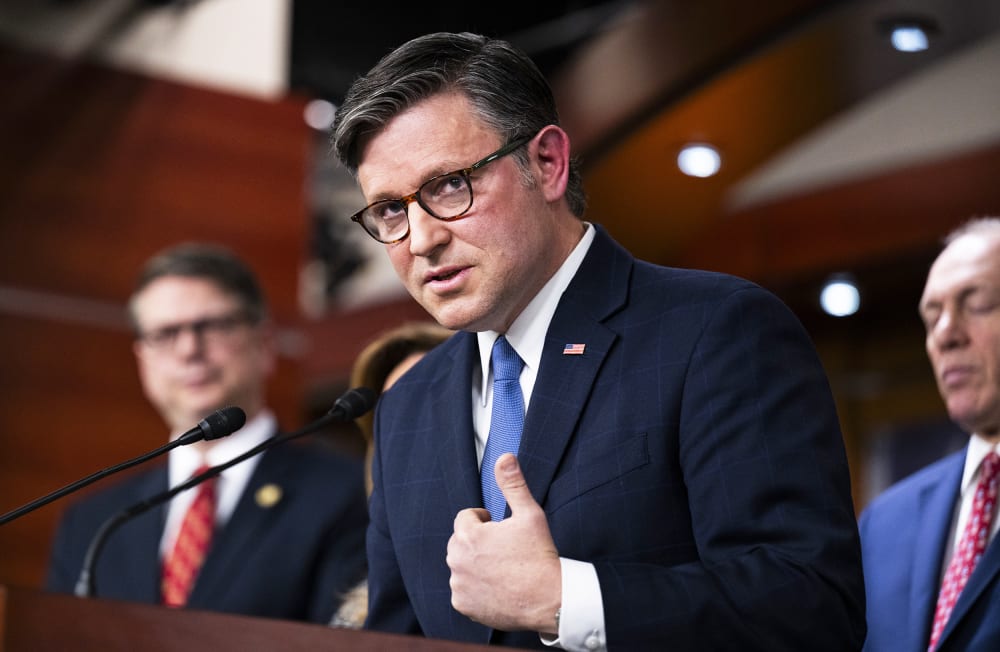
As the expiration of enhanced subsidies under the Affordable Care Act (ACA) looms, House Republicans introduced a health care proposal that has drawn significant criticism for its inadequacies. With these subsidies set to end in just weeks, millions of Americans are bracing for substantial increases in their health care costs. The new proposal, led by House Speaker Mike Johnson and other Republican leaders, notably fails to extend these crucial financial supports.
The Senate Republican plan, proposed last week by Sen. Bill Cassidy of Louisiana and Mike Crapo of Idaho, similarly neglected to address the expiring ACA subsidies. Instead, it aimed to replace them with expanded health savings accounts, a strategy that critics deemed insufficient. When this legislation reached the Senate floor, it garnered only 51 votes, falling short of the 60 needed for advancement.
Republican leaders in the House have been promising a comprehensive health care plan for months. The recently unveiled bill, however, has been described as a collection of disparate ideas rather than a cohesive strategy to tackle the ongoing health care crisis. While it includes provisions such as reinstating cost-sharing reductions and enabling small businesses to purchase health insurance collectively, it does not address the imminent expiration of enhanced subsidies, which are projected to double premiums for approximately 22 million Americans.
In defining the landscape, it is essential to note that discussions within GOP circles about a comprehensive alternative to the ACA have persisted for over 16 years. Despite this long-standing dialogue, the current legislation does not replace the ACA or resolve the immediate financial challenges facing consumers. Instead, it offers a narrow set of proposals that may provide minimal relief but do not tackle the core issues at hand.
Critics argue that the House GOP leaders’ approach lacks seriousness. They have assembled a collection of partisan priorities without conducting any policy hearings, obtaining a score from the Congressional Budget Office, or engaging in substantive analysis. The intent appears less focused on solving health care issues and more on providing political cover for Republicans concerned about their electoral prospects. This approach allows them to claim they have presented a plan, albeit one that lacks depth and substance.
The likelihood of this health care bill becoming law is slim. Even if it manages to pass the House, its chances in the Senate are virtually nonexistent. The current political climate, coupled with the lack of a unified strategy among Republicans, further complicates the situation. Furthermore, Donald Trump, who has largely stepped back from the health care discourse, offered a dismissive response to the impending challenges. When asked about the situation facing millions of Americans, he suggested, “Don’t make it sound so bad.”
As the deadline for the expiration of ACA subsidies approaches, the urgency for a viable health care solution intensifies. The current proposals from House Republicans fail to address the critical needs of American consumers, leaving many in a state of uncertainty as they face skyrocketing health care costs. The political maneuvering surrounding health care reform continues, but without meaningful action, the impacts on millions remain a pressing concern.












Revolutionary Photonic Ski-Jump Could Miniaturize LiDAR Systems

Couples Detox from Plastics in New Netflix Doc: Can It Boost Fertility?

Aventon Launches Affordable Full-Suspension Electric Mountain Bike

Discover Eight Must-Try Restaurants This Spring Season

UC Irvine Team Unveils Innovative Ion Pump for Water Treatment

One-Third of Americans Trim Daily Expenses for Healthcare Needs

Apple Secures First Oscar in Three Years with F1: The Movie

Fourth Graders Celebrate St. Patrick’s Day with Creative Weather Drawings

Kim Kardashian Dazzles at Vanity Fair Oscars Party 2026

Nostradamus’ 2026 Predictions: Star Death and Dark Events Loom

Breakthroughs and Challenges Await Science in 2026

Electric Moto Influencer Surronster Arrested in Tijuana

OpenAI to Implement Age Verification for ChatGPT by December 2025

Discover the Top 10 Calorie Counting Apps of 2025

Recovering a Suspended TikTok Account: A Step-by-Step Guide

Bella Hadid Shares Health Update After Treatment for Lyme Disease

Backpack Drives Equip Students with Supplies for New School Year

Analysts Project Stronger Growth for Apple’s iPhone 17 Lineup
-
 Science8 months ago
Nostradamus’ 2026 Predictions: Star Death and Dark Events Loom
-
 Science8 months ago
Breakthroughs and Challenges Await Science in 2026
-
 Technology11 months ago
Electric Moto Influencer Surronster Arrested in Tijuana
-
 Technology9 months ago
OpenAI to Implement Age Verification for ChatGPT by December 2025
-
 Technology1 year ago
Discover the Top 10 Calorie Counting Apps of 2025
-
 Technology1 year ago
Recovering a Suspended TikTok Account: A Step-by-Step Guide
-
 Health11 months ago
Bella Hadid Shares Health Update After Treatment for Lyme Disease
-
 Education1 year ago
Backpack Drives Equip Students with Supplies for New School Year
-
 Health11 months ago
Analysts Project Stronger Growth for Apple’s iPhone 17 Lineup
-

 Health12 months ago
Japanese Study Finds Rose Oil Can Increase Brain Gray Matter
-

 Technology8 months ago
Top 10 Penny Stocks to Watch in 2026 for Strong Returns
-

 Science10 months ago
Starship V3 Set for 2026 Launch After Successful Final Test of Version 2