
Health
Guinea-Bissau Reviews U.S.-Funded Hepatitis B Vaccine Study Plans

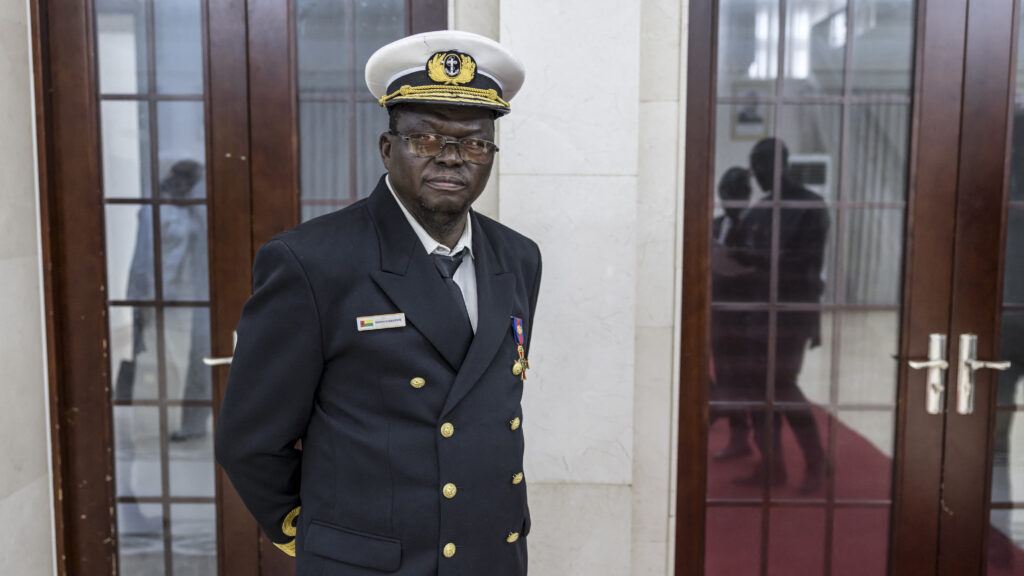
Plans for a controversial U.S.-funded hepatitis B vaccine study in Guinea-Bissau are currently on hold as national authorities conduct a further review. This announcement comes from Quinhin Nantote, Guinea-Bissau’s public health minister, who expressed concerns over the lack of sufficient coordination necessary for a final decision. The review process could still result in the trial moving forward, according to statements made during a press briefing held by the Africa Centres for Disease Control and Prevention (Africa CDC) on Thursday.
During the briefing, Africa CDC’s director general, Jean Kaseya, emphasized that any authorization for clinical studies must come from the countries hosting them. “Africa CDC is respecting and supporting the sovereignty of the country,” Kaseya stated. He reiterated that it is the responsibility of Guinea-Bissau, not any international body, to determine whether the clinical trial will proceed. To assist in this process, the Africa CDC is dispatching officials to provide technical support for the necessary regulatory and ethical review.
Despite this pause, the future of the trial remains uncertain. U.S. health officials indicated that they plan to proceed as originally intended. The U.S. Centers for Disease Control and Prevention (CDC) awarded a grant of $1.6 million to researchers at the University of Southern Denmark to conduct this trial. The study proposes that a portion of newborns in Guinea-Bissau would receive a dose of the hepatitis B vaccine at birth, while others would adhere to the country’s current practice of vaccination at six weeks.
Critics have raised ethical concerns regarding the trial, particularly given Guinea-Bissau’s plans to implement a universal birth dose policy next year, as recommended by the World Health Organization. During the briefing, Nantote indicated that, following a coup in November 2023, the country is now unlikely to provide the vaccine to all newborns until 2028.
The design of the trial has also attracted scrutiny, with experts questioning its potential to generate results relevant to vaccine policy in the U.S. This skepticism escalated recently when conflicting reports emerged regarding the status of the trial. A report from The Guardian suggested the trial had been canceled, but U.S. officials countered that it would continue as planned.
In a defense of its operations, Kaseya addressed criticisms directed at the Africa CDC, including an email from an unnamed U.S. health official who described the agency as “a powerless, fake organization.” Kaseya defended the agency’s track record across the continent, highlighting its role in providing technical support and responding to health emergencies. “Our vision is not coming from Western countries. Our vision is coming from Africa, shaped by African leadership, based on African realities,” he asserted.
Kaseya also noted that senior U.S. health officials communicated with Africa CDC leaders on Wednesday, reassuring them that they were unaware of any negative statements concerning the organization. “I trust them, I’ve closed the chapter,” Kaseya concluded.
As this situation unfolds, the implications for both Guinea-Bissau’s health policy and international vaccine research ethics remain significant. The outcome of this review could influence future collaborations in health initiatives across Africa and beyond.









Revolutionary Photonic Ski-Jump Could Miniaturize LiDAR Systems

Couples Detox from Plastics in New Netflix Doc: Can It Boost Fertility?

Aventon Launches Affordable Full-Suspension Electric Mountain Bike

Discover Eight Must-Try Restaurants This Spring Season

UC Irvine Team Unveils Innovative Ion Pump for Water Treatment

One-Third of Americans Trim Daily Expenses for Healthcare Needs

Apple Secures First Oscar in Three Years with F1: The Movie

Fourth Graders Celebrate St. Patrick’s Day with Creative Weather Drawings

Kim Kardashian Dazzles at Vanity Fair Oscars Party 2026

Nostradamus’ 2026 Predictions: Star Death and Dark Events Loom

Breakthroughs and Challenges Await Science in 2026

Electric Moto Influencer Surronster Arrested in Tijuana

OpenAI to Implement Age Verification for ChatGPT by December 2025

Discover the Top 10 Calorie Counting Apps of 2025

Recovering a Suspended TikTok Account: A Step-by-Step Guide

Bella Hadid Shares Health Update After Treatment for Lyme Disease

Backpack Drives Equip Students with Supplies for New School Year

Analysts Project Stronger Growth for Apple’s iPhone 17 Lineup
-
 Science8 months ago
Nostradamus’ 2026 Predictions: Star Death and Dark Events Loom
-
 Science8 months ago
Breakthroughs and Challenges Await Science in 2026
-
 Technology11 months ago
Electric Moto Influencer Surronster Arrested in Tijuana
-
 Technology9 months ago
OpenAI to Implement Age Verification for ChatGPT by December 2025
-
 Technology1 year ago
Discover the Top 10 Calorie Counting Apps of 2025
-
 Technology1 year ago
Recovering a Suspended TikTok Account: A Step-by-Step Guide
-
 Health11 months ago
Bella Hadid Shares Health Update After Treatment for Lyme Disease
-
 Education1 year ago
Backpack Drives Equip Students with Supplies for New School Year
-
 Health12 months ago
Analysts Project Stronger Growth for Apple’s iPhone 17 Lineup
-

 Health12 months ago
Japanese Study Finds Rose Oil Can Increase Brain Gray Matter
-

 Technology8 months ago
Top 10 Penny Stocks to Watch in 2026 for Strong Returns
-

 Science10 months ago
Starship V3 Set for 2026 Launch After Successful Final Test of Version 2