
Health
Government Shutdown Threatens SNAP Funding Across Multiple States

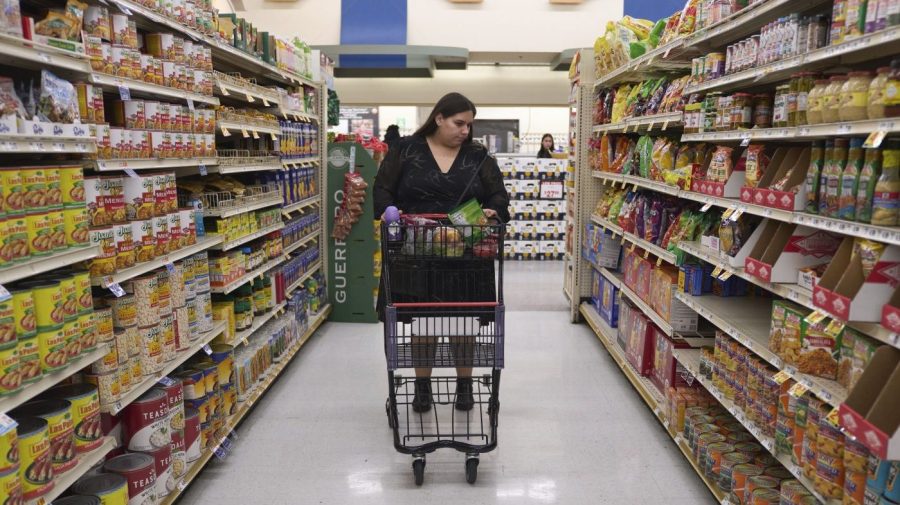
The ongoing government shutdown in the United States is jeopardizing funding for the Supplemental Nutrition Assistance Program (SNAP), which provides essential benefits to millions of low-income individuals and families across the country. This program, formerly known as food stamps, is primarily funded by the U.S. Department of Agriculture (USDA). As the impasse in Congress continues, states are bracing for potential disruptions in the delivery of these crucial benefits.
The SNAP program operates through a federal-state partnership, where the federal government shares the costs of administering benefits with individual states. In the event of a prolonged shutdown, federal support for states may dwindle, leading to significant concerns about the ability of local programs to meet the needs of their communities. States rely on this funding to ensure that vulnerable populations have access to necessary nutrition.
Implications for Affected States
Various states have already begun to prepare for the potential impacts of the shutdown. For instance, state officials in California and New York have expressed worries about the availability of funds to support their SNAP programs if the deadlock persists. Some states may have enough reserves to continue benefits temporarily, but a prolonged shutdown could force them to make difficult decisions regarding funding and resource allocation.
According to the USDA, SNAP assists nearly 42 million Americans, providing an average benefit of around $250 per month per participant. This program is especially vital for low-income families, the elderly, and individuals with disabilities. The loss of funding could lead to increased food insecurity, as many depend on these benefits to afford adequate nutrition.
Federal Response and Future Outlook
As lawmakers continue negotiations to resolve the shutdown, the future of SNAP funding remains uncertain. Federal officials stress the importance of reaching an agreement quickly to prevent disruptions in critical services. In a statement, a representative from the USDA urged Congress to act swiftly to ensure that funds are available for these essential programs.
The broader implications of a prolonged shutdown extend beyond SNAP. Many federal programs and services face similar risks, highlighting the interconnectedness of government functions that support public welfare. As the situation develops, state officials and advocates for food security are closely monitoring the negotiations, urging prompt action to protect the most vulnerable populations.
In conclusion, the ongoing government shutdown poses a significant risk to SNAP funding, with potential consequences for millions of Americans relying on this vital assistance. The urgency of addressing this issue cannot be overstated, as lawmakers work to find a resolution that secures necessary funding for essential services.









Revolutionary Photonic Ski-Jump Could Miniaturize LiDAR Systems

Couples Detox from Plastics in New Netflix Doc: Can It Boost Fertility?

Aventon Launches Affordable Full-Suspension Electric Mountain Bike

Discover Eight Must-Try Restaurants This Spring Season

UC Irvine Team Unveils Innovative Ion Pump for Water Treatment

One-Third of Americans Trim Daily Expenses for Healthcare Needs

Apple Secures First Oscar in Three Years with F1: The Movie

Fourth Graders Celebrate St. Patrick’s Day with Creative Weather Drawings

Kim Kardashian Dazzles at Vanity Fair Oscars Party 2026

Nostradamus’ 2026 Predictions: Star Death and Dark Events Loom

Breakthroughs and Challenges Await Science in 2026

Electric Moto Influencer Surronster Arrested in Tijuana

OpenAI to Implement Age Verification for ChatGPT by December 2025

Discover the Top 10 Calorie Counting Apps of 2025

Recovering a Suspended TikTok Account: A Step-by-Step Guide

Bella Hadid Shares Health Update After Treatment for Lyme Disease

Backpack Drives Equip Students with Supplies for New School Year

Analysts Project Stronger Growth for Apple’s iPhone 17 Lineup
-
 Science8 months ago
Nostradamus’ 2026 Predictions: Star Death and Dark Events Loom
-
 Science8 months ago
Breakthroughs and Challenges Await Science in 2026
-
 Technology11 months ago
Electric Moto Influencer Surronster Arrested in Tijuana
-
 Technology9 months ago
OpenAI to Implement Age Verification for ChatGPT by December 2025
-
 Technology1 year ago
Discover the Top 10 Calorie Counting Apps of 2025
-
 Technology1 year ago
Recovering a Suspended TikTok Account: A Step-by-Step Guide
-
 Health11 months ago
Bella Hadid Shares Health Update After Treatment for Lyme Disease
-
 Education1 year ago
Backpack Drives Equip Students with Supplies for New School Year
-
 Health11 months ago
Analysts Project Stronger Growth for Apple’s iPhone 17 Lineup
-

 Health12 months ago
Japanese Study Finds Rose Oil Can Increase Brain Gray Matter
-

 Technology8 months ago
Top 10 Penny Stocks to Watch in 2026 for Strong Returns
-

 Science10 months ago
Starship V3 Set for 2026 Launch After Successful Final Test of Version 2