
Health
Flu Hospitalizations in Colorado Reach Five-Year High Amid Surge

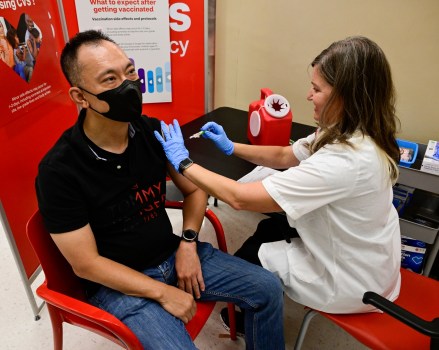
Flu hospitalizations in Colorado have surged to their highest level in five years, with nearly 800 residents admitted last week. This significant increase aligns with a broader rise in influenza cases across the United States, driven by a new variant that has contributed to an early flu season ahead of the holiday gatherings. According to the Colorado Department of Public Health and Environment, the week ending December 27, 2025, saw 782 flu-related hospitalizations, a jump of 247 patients from the previous week and more than double the admissions during the same timeframe last year.
Emergency departments and healthcare facilities are experiencing a surge in patients displaying flu symptoms such as cough, congestion, and fever. Medical professionals warn that the situation may worsen as families and friends come together during the festive season. “We’re not out of the worst of it yet,” stated Dr. Mark Montano, medical director for HCA HealthOne’s CareNow Urgent Care. He emphasized that the community should prepare for additional weeks of increasing flu rates.
Understanding the New Variant and Its Impact
The rise in flu cases is attributed primarily to a newly identified variant known as “subclade K,” a mutated version of the H3N2 strain of Type A influenza. This strain is known to be particularly severe, especially for older adults. Dr. Jennifer Corliss, medical director at UCHealth’s Lone Tree Primary Care clinic, noted that patients infected with subclade K are exhibiting more pronounced symptoms of fatigue and body aches. Such symptoms can lead to complications, including dehydration, which may necessitate hospitalization.
While the mutations in subclade K do not classify it as an entirely new flu virus, they are significant enough to reduce the effectiveness of this year’s flu vaccine. According to Andrew Pekosz, a virus expert at the Johns Hopkins Bloomberg School of Public Health, the vaccine still offers some protection against severe outcomes. “It’s still worthwhile to get the shot,” Montano affirmed, underscoring its role in lowering the risk of hospitalization.
The flu season typically kicks off in December, and the latest data from the Centers for Disease Control and Prevention (CDC) indicates high or very high levels of flu illness in over half of the states. As of December 20, the CDC reported at least 7.5 million illnesses, 81,000 hospitalizations, and 3,100 fatalities related to the flu this season, including at least eight child deaths.
Vaccination Rates and Preventative Measures
In Colorado, approximately 5,959 individuals tested positive for the flu during the week of December 27. The state’s health department also reported one pediatric death attributed to the virus since the onset of the current flu season. Vaccination rates have declined, with only 27% of Coloradans receiving the flu vaccine this year, down from 28.5% in the previous season. Corliss noted that changes in government messaging may lead to public skepticism regarding the vaccine’s efficacy.
The CDC recommends that everyone aged six months and older receive the flu vaccine, which takes about two weeks to become fully effective. Health experts also advise individuals to practice good hygiene, such as frequent handwashing and disinfecting surfaces, and consider wearing masks to reduce the risk of infection.
As the flu season progresses, health officials urge the public to remain vigilant and take preventive measures to safeguard against the virus.












Revolutionary Photonic Ski-Jump Could Miniaturize LiDAR Systems

Couples Detox from Plastics in New Netflix Doc: Can It Boost Fertility?

Aventon Launches Affordable Full-Suspension Electric Mountain Bike

Discover Eight Must-Try Restaurants This Spring Season

UC Irvine Team Unveils Innovative Ion Pump for Water Treatment

One-Third of Americans Trim Daily Expenses for Healthcare Needs

Apple Secures First Oscar in Three Years with F1: The Movie

Fourth Graders Celebrate St. Patrick’s Day with Creative Weather Drawings

Kim Kardashian Dazzles at Vanity Fair Oscars Party 2026

Nostradamus’ 2026 Predictions: Star Death and Dark Events Loom

Breakthroughs and Challenges Await Science in 2026

Electric Moto Influencer Surronster Arrested in Tijuana

OpenAI to Implement Age Verification for ChatGPT by December 2025

Discover the Top 10 Calorie Counting Apps of 2025

Recovering a Suspended TikTok Account: A Step-by-Step Guide

Bella Hadid Shares Health Update After Treatment for Lyme Disease

Backpack Drives Equip Students with Supplies for New School Year

Analysts Project Stronger Growth for Apple’s iPhone 17 Lineup
-
 Science7 months ago
Nostradamus’ 2026 Predictions: Star Death and Dark Events Loom
-
 Science7 months ago
Breakthroughs and Challenges Await Science in 2026
-
 Technology10 months ago
Electric Moto Influencer Surronster Arrested in Tijuana
-
 Technology8 months ago
OpenAI to Implement Age Verification for ChatGPT by December 2025
-
 Technology1 year ago
Discover the Top 10 Calorie Counting Apps of 2025
-
 Technology1 year ago
Recovering a Suspended TikTok Account: A Step-by-Step Guide
-
 Health10 months ago
Bella Hadid Shares Health Update After Treatment for Lyme Disease
-
 Education1 year ago
Backpack Drives Equip Students with Supplies for New School Year
-
 Health11 months ago
Analysts Project Stronger Growth for Apple’s iPhone 17 Lineup
-

 Technology7 months ago
Top 10 Penny Stocks to Watch in 2026 for Strong Returns
-

 Health11 months ago
Japanese Study Finds Rose Oil Can Increase Brain Gray Matter
-

 Science9 months ago
Starship V3 Set for 2026 Launch After Successful Final Test of Version 2