
Health
Federal Judge Halts West Virginia’s Food Dye Ban Before Enforcement

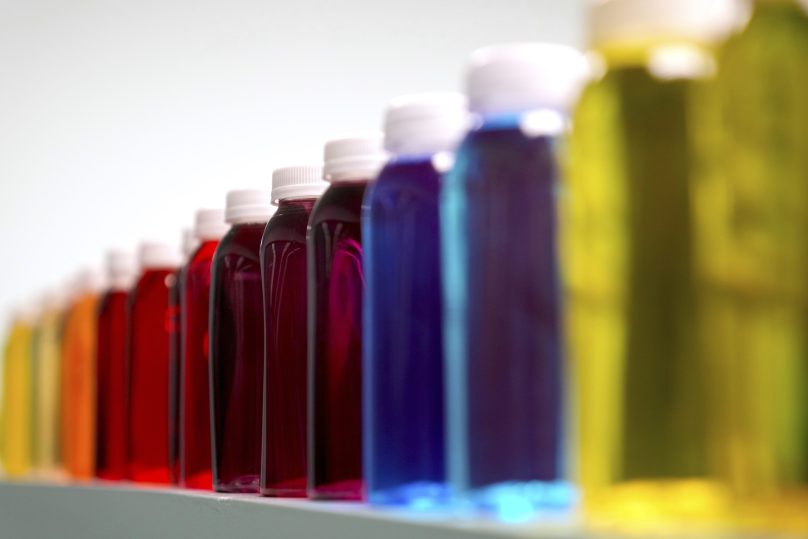
A federal judge has issued a temporary halt to the enforcement of West Virginia’s ban on artificial dyes in food products. U.S. District Judge Irene Berger of the Southern District of West Virginia granted a motion for a preliminary injunction earlier this week, responding to a lawsuit initiated by the International Association of Color Manufacturers (IACM). This decision prevents the state from implementing the ban, which was set to take effect imminently.
The IACM, representing the interests of the food additive industry, argued that the ban on artificial dyes could have significant economic repercussions. The organization contended that such a prohibition would disrupt supply chains and limit choices for consumers. The case revolves around the balance between regulatory measures aimed at public health and the interests of businesses that utilize these color additives.
The legal action was filed shortly after West Virginia’s legislature approved the ban in August 2023. The law aimed to restrict the use of several artificial dyes in food products, citing concerns about potential health risks associated with these additives. Supporters of the ban argued that many consumers are increasingly aware of and concerned about the ingredients in their food, particularly regarding artificial components.
In her ruling, Judge Berger emphasized the need for a thorough examination of the issues at hand. The preliminary injunction allows the court time to consider the arguments presented by both sides, including the potential impacts of the ban on the food industry and consumer rights.
The decision has sparked discussions within both the public health sector and the food industry. Advocates for the ban remain firm in their stance, asserting that consumers should have access to safer, additive-free options. Conversely, opponents highlight the importance of maintaining a diverse range of food products that appeal to various consumer preferences.
As the legal proceedings continue, the outcome will likely have lasting implications for the regulation of food additives not just in West Virginia, but potentially across the United States. The case underscores the ongoing debate over food safety, consumer choice, and industry regulation.
The IACM has expressed satisfaction with the ruling, viewing it as a necessary step to protect the interests of manufacturers and consumers alike. The organization plans to continue its advocacy for the responsible use of artificial dyes in food products, emphasizing their safety and the vital role they play in food production.
In the coming weeks, further developments are expected as the court prepares to deliberate on the merits of the case. The ruling serves as a reminder of the complexities involved in food regulation and the ongoing discussions about health, safety, and consumer rights.












Revolutionary Photonic Ski-Jump Could Miniaturize LiDAR Systems

Couples Detox from Plastics in New Netflix Doc: Can It Boost Fertility?

Aventon Launches Affordable Full-Suspension Electric Mountain Bike

Discover Eight Must-Try Restaurants This Spring Season

UC Irvine Team Unveils Innovative Ion Pump for Water Treatment

One-Third of Americans Trim Daily Expenses for Healthcare Needs

Apple Secures First Oscar in Three Years with F1: The Movie

Fourth Graders Celebrate St. Patrick’s Day with Creative Weather Drawings

Kim Kardashian Dazzles at Vanity Fair Oscars Party 2026

Nostradamus’ 2026 Predictions: Star Death and Dark Events Loom

Breakthroughs and Challenges Await Science in 2026

Electric Moto Influencer Surronster Arrested in Tijuana

OpenAI to Implement Age Verification for ChatGPT by December 2025

Discover the Top 10 Calorie Counting Apps of 2025

Recovering a Suspended TikTok Account: A Step-by-Step Guide

Bella Hadid Shares Health Update After Treatment for Lyme Disease

Backpack Drives Equip Students with Supplies for New School Year

Analysts Project Stronger Growth for Apple’s iPhone 17 Lineup
-
 Science7 months ago
Nostradamus’ 2026 Predictions: Star Death and Dark Events Loom
-
 Science7 months ago
Breakthroughs and Challenges Await Science in 2026
-
 Technology10 months ago
Electric Moto Influencer Surronster Arrested in Tijuana
-
 Technology8 months ago
OpenAI to Implement Age Verification for ChatGPT by December 2025
-
 Technology1 year ago
Discover the Top 10 Calorie Counting Apps of 2025
-
 Technology1 year ago
Recovering a Suspended TikTok Account: A Step-by-Step Guide
-
 Health10 months ago
Bella Hadid Shares Health Update After Treatment for Lyme Disease
-
 Education1 year ago
Backpack Drives Equip Students with Supplies for New School Year
-
 Health11 months ago
Analysts Project Stronger Growth for Apple’s iPhone 17 Lineup
-

 Technology7 months ago
Top 10 Penny Stocks to Watch in 2026 for Strong Returns
-

 Health11 months ago
Japanese Study Finds Rose Oil Can Increase Brain Gray Matter
-

 Science9 months ago
Starship V3 Set for 2026 Launch After Successful Final Test of Version 2