
Health
Consumer Reports Reveals Lead Contamination in Protein Powders

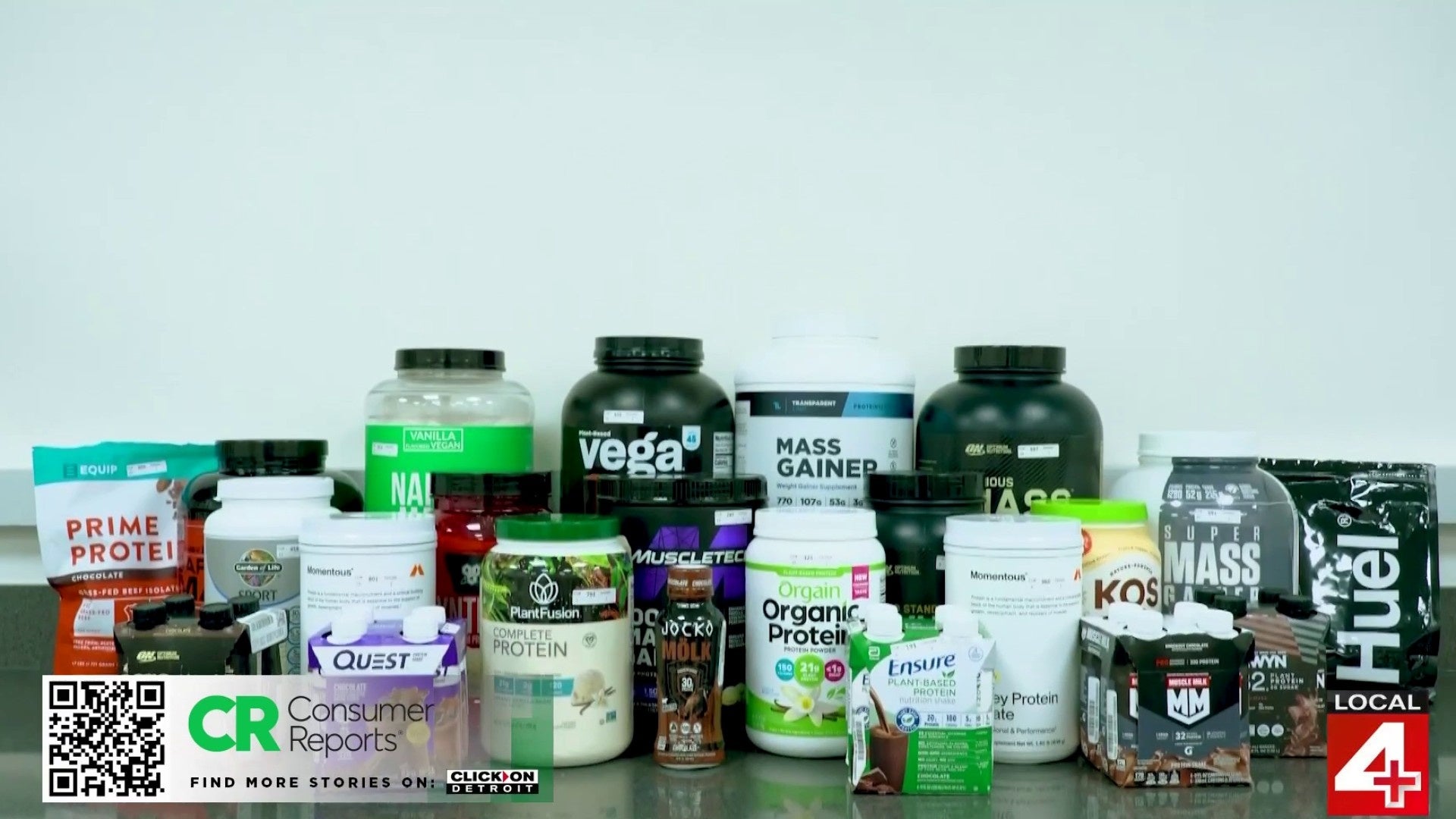
A recent investigation by Consumer Reports has revealed alarming levels of lead in several popular protein powders and shakes, raising health concerns for consumers. The study tested 23 different protein products, and the findings indicate that over two-thirds contained lead levels exceeding what experts deem safe for daily consumption. In some instances, the lead concentrations were more than ten times higher than the recommended limits.
The investigation highlighted that plant-based protein powders posed the greatest risk. These products contained lead levels that were nine times higher than those found in dairy-based protein powders and double that of beef-based options. For example, Naked Nutrition’s Vegan Mass Gainer tested at approximately 1,570 percent of the daily lead limit established by Consumer Reports. Similarly, Huel’s Black Edition vegan powder showed concerning levels at more than 1,200 percent of the safe limit.
In light of these findings, Consumer Reports experts advise consumers to avoid these particular products. A spokesperson for Huel stated that the company conducts “rigorous testing” on its ingredients and expressed confidence in the safety of their formulations. Meanwhile, Naked Nutrition has responded to the findings by requesting a third-party test of its Mass Gainer Supplement powder, emphasizing its commitment to customer health.
While plant-based powders raised the most red flags, the investigation did not spare dairy-based protein powders from scrutiny. According to Paris Martineau, an investigative reporter with Consumer Reports, these products generally contained lower amounts of lead. However, the report noted that approximately half of the tested dairy-based powders still had concerning levels of lead or other contaminants, prompting experts to recommend against their daily use.
Nutritionists suggest that most individuals do not need protein supplements at all. Everyday foods such as beans, tofu, eggs, dairy, fish, and lean meats typically provide sufficient protein. For those who choose to incorporate protein powders into their diet, experts recommend using them sparingly due to the associated risks.
Moreover, Consumer Reports highlighted that the nutrient most commonly lacking in diets is fiber, which is linked to improved long-term health outcomes. Current federal dietary guidelines recommend that adults consume between 22 and 34 grams of fiber daily, depending on age and sex.
As consumers increasingly turn to protein supplements for workout recovery or meal replacement, these findings serve as a critical reminder to scrutinize the safety of dietary products. With the revelation of lead contamination, individuals are urged to consider their choices carefully and prioritize whole foods over potentially harmful supplements.








Revolutionary Photonic Ski-Jump Could Miniaturize LiDAR Systems

Couples Detox from Plastics in New Netflix Doc: Can It Boost Fertility?

Aventon Launches Affordable Full-Suspension Electric Mountain Bike

Discover Eight Must-Try Restaurants This Spring Season

UC Irvine Team Unveils Innovative Ion Pump for Water Treatment

One-Third of Americans Trim Daily Expenses for Healthcare Needs

Apple Secures First Oscar in Three Years with F1: The Movie

Fourth Graders Celebrate St. Patrick’s Day with Creative Weather Drawings

Kim Kardashian Dazzles at Vanity Fair Oscars Party 2026

Nostradamus’ 2026 Predictions: Star Death and Dark Events Loom

Breakthroughs and Challenges Await Science in 2026

Electric Moto Influencer Surronster Arrested in Tijuana

OpenAI to Implement Age Verification for ChatGPT by December 2025

Discover the Top 10 Calorie Counting Apps of 2025

Recovering a Suspended TikTok Account: A Step-by-Step Guide

Bella Hadid Shares Health Update After Treatment for Lyme Disease

Backpack Drives Equip Students with Supplies for New School Year

Analysts Project Stronger Growth for Apple’s iPhone 17 Lineup
-
 Science7 months ago
Nostradamus’ 2026 Predictions: Star Death and Dark Events Loom
-
 Science7 months ago
Breakthroughs and Challenges Await Science in 2026
-
 Technology10 months ago
Electric Moto Influencer Surronster Arrested in Tijuana
-
 Technology8 months ago
OpenAI to Implement Age Verification for ChatGPT by December 2025
-
 Technology1 year ago
Discover the Top 10 Calorie Counting Apps of 2025
-
 Technology1 year ago
Recovering a Suspended TikTok Account: A Step-by-Step Guide
-
 Health11 months ago
Bella Hadid Shares Health Update After Treatment for Lyme Disease
-
 Education1 year ago
Backpack Drives Equip Students with Supplies for New School Year
-
 Health11 months ago
Analysts Project Stronger Growth for Apple’s iPhone 17 Lineup
-

 Technology7 months ago
Top 10 Penny Stocks to Watch in 2026 for Strong Returns
-

 Health11 months ago
Japanese Study Finds Rose Oil Can Increase Brain Gray Matter
-

 Science10 months ago
Starship V3 Set for 2026 Launch After Successful Final Test of Version 2