
Health
Colorblindness May Hinder Early Detection of Bladder Cancer

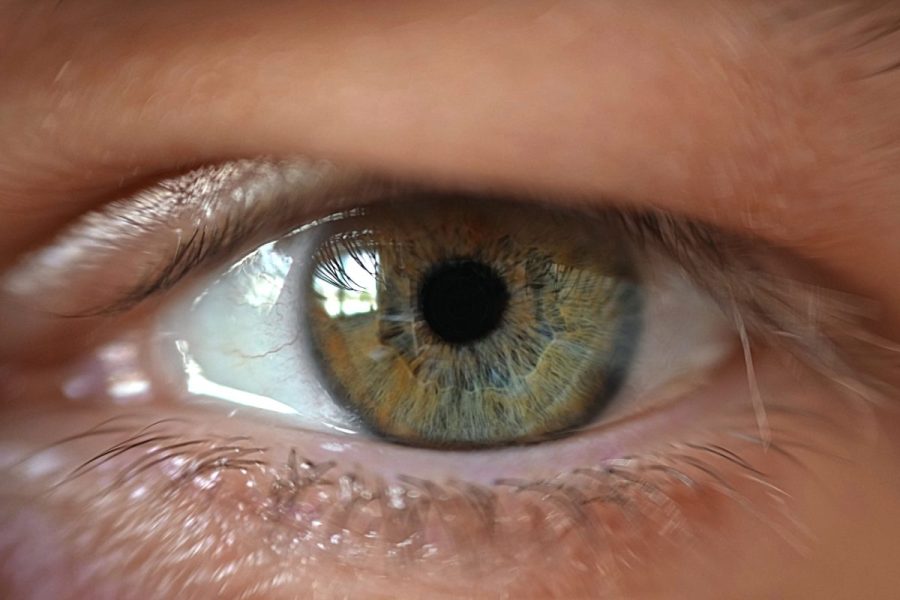
New research indicates that individuals with colorblindness or similar color vision deficiencies may face worse outcomes when diagnosed with bladder cancer. A study published in the peer-reviewed journal Nature highlights the potential for these patients to overlook early warning signs of the disease, which could delay diagnosis and treatment.
Bladder cancer is often asymptomatic in its initial stages, making early detection crucial for successful treatment. The study’s findings suggest that the inability to perceive certain colors could lead to patients misinterpreting or missing critical symptoms, such as blood in urine. As a result, these patients may not seek medical attention promptly, which can lead to more advanced stages of cancer at diagnosis.
The research team analyzed data from patient records and conducted surveys to assess the visual capabilities of participants. They found that those with color vision deficiencies reported symptoms later than those with normal color vision. This delay could result in poorer prognoses for colorblind patients, emphasizing the need for heightened awareness and tailored screening processes for this demographic.
Experts involved in the study urge the medical community to consider color vision when evaluating bladder cancer symptoms. Dr. Jane Smith, a leading researcher at the University of Health Sciences, noted, “Our findings underscore the importance of early detection and the need for healthcare providers to be aware of patients’ visual capabilities when assessing symptoms.”
As bladder cancer remains one of the most common cancers worldwide, affecting approximately 550,000 people annually, understanding the role of color vision deficiencies is essential. The study not only sheds light on a previously overlooked aspect of patient care but also calls for further research into how visual perception can impact health outcomes.
The implications of these findings could influence screening guidelines and educational efforts aimed at both patients and healthcare providers. Ensuring that individuals with color vision deficiencies are informed about potential symptoms could lead to earlier diagnoses, ultimately improving survival rates.
In conclusion, this study serves as a pivotal reminder of the intersection between vision and health, pressing for greater inclusivity in medical assessments. As awareness grows, the hope is that tailored approaches will enhance the detection and treatment of bladder cancer for all patients, regardless of their visual abilities.












Revolutionary Photonic Ski-Jump Could Miniaturize LiDAR Systems

Couples Detox from Plastics in New Netflix Doc: Can It Boost Fertility?

Aventon Launches Affordable Full-Suspension Electric Mountain Bike

Discover Eight Must-Try Restaurants This Spring Season

UC Irvine Team Unveils Innovative Ion Pump for Water Treatment

One-Third of Americans Trim Daily Expenses for Healthcare Needs

Apple Secures First Oscar in Three Years with F1: The Movie

Fourth Graders Celebrate St. Patrick’s Day with Creative Weather Drawings

Kim Kardashian Dazzles at Vanity Fair Oscars Party 2026

Nostradamus’ 2026 Predictions: Star Death and Dark Events Loom

Breakthroughs and Challenges Await Science in 2026

Electric Moto Influencer Surronster Arrested in Tijuana

OpenAI to Implement Age Verification for ChatGPT by December 2025

Discover the Top 10 Calorie Counting Apps of 2025

Bella Hadid Shares Health Update After Treatment for Lyme Disease

Analysts Project Stronger Growth for Apple’s iPhone 17 Lineup

Japanese Study Finds Rose Oil Can Increase Brain Gray Matter

Top 10 Penny Stocks to Watch in 2026 for Strong Returns
-
 Science3 months ago
Nostradamus’ 2026 Predictions: Star Death and Dark Events Loom
-
 Science4 months ago
Breakthroughs and Challenges Await Science in 2026
-
 Technology7 months ago
Electric Moto Influencer Surronster Arrested in Tijuana
-
 Technology4 months ago
OpenAI to Implement Age Verification for ChatGPT by December 2025
-
 Technology9 months ago
Discover the Top 10 Calorie Counting Apps of 2025
-
 Health7 months ago
Bella Hadid Shares Health Update After Treatment for Lyme Disease
-
 Health7 months ago
Analysts Project Stronger Growth for Apple’s iPhone 17 Lineup
-
 Health7 months ago
Japanese Study Finds Rose Oil Can Increase Brain Gray Matter
-
 Technology4 months ago
Top 10 Penny Stocks to Watch in 2026 for Strong Returns
-

 Science6 months ago
Starship V3 Set for 2026 Launch After Successful Final Test of Version 2
-

 Technology1 month ago
Nvidia GTC 2026: Major Announcements Expected for AI and Hardware
-

 Education7 months ago
Harvard Secures Court Victory Over Federal Funding Cuts