
Education
Yale Expands Financial Aid, Offering Free Tuition to Many Families

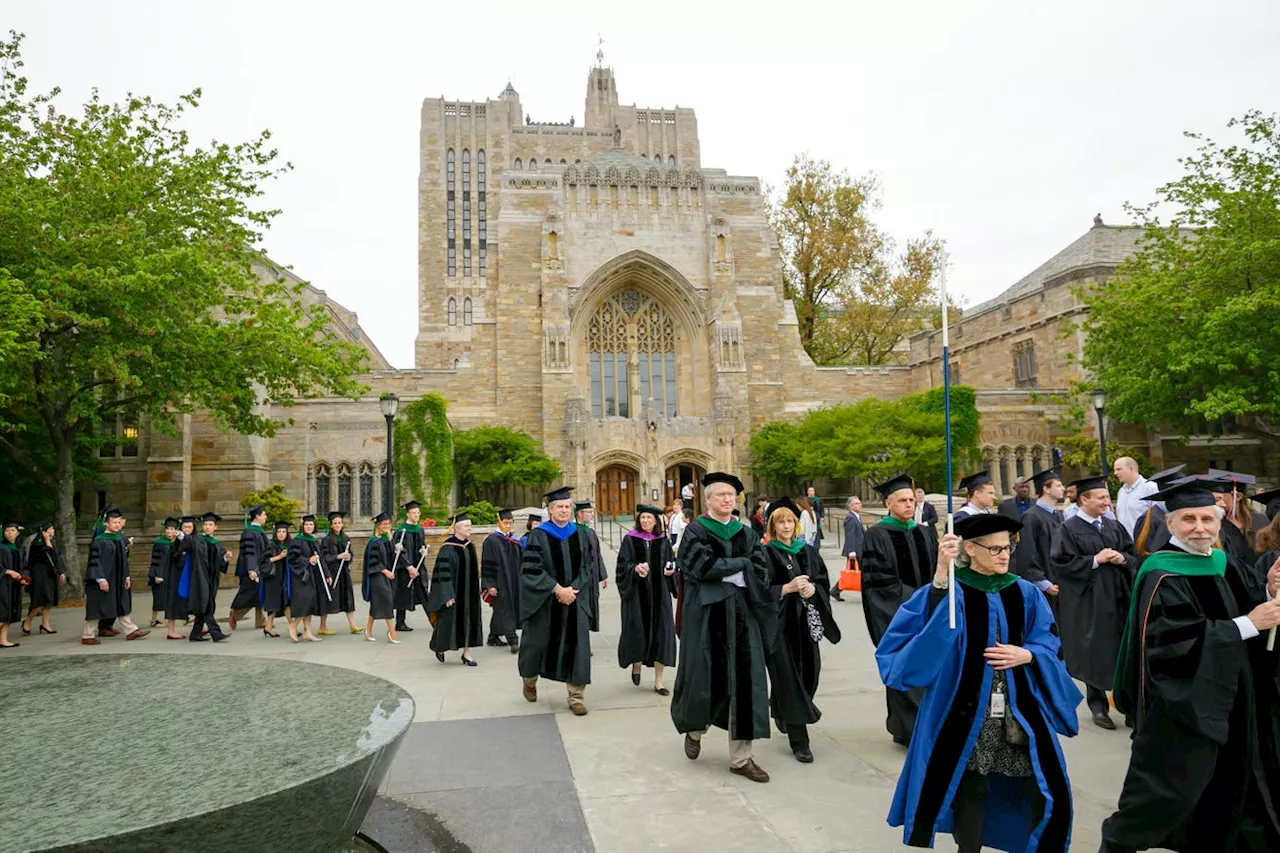
Yale University announced significant changes to its financial aid program, set to take effect in the 2024 academic year. The prestigious institution will cover tuition costs for new undergraduates from families earning less than $200,000 annually. Furthermore, it will provide a comprehensive financial package for those with incomes below $100,000, covering all education-related expenses.
This expansion means that more than 80% of American households will now qualify for scholarships that at least cover tuition. Yale’s initiative aims to make higher education more accessible, particularly for families who may struggle with the financial burden of college expenses.
Yale has been offering need-based financial grants, referred to as “zero parent share” awards, since 2010. These awards cover the full cost of all billed educational expenses, which includes tuition, housing, and meals. Additionally, they provide estimated travel costs, hospitalization insurance, and a $2,000 startup grant for incoming students. Earlier this year, the university raised the eligibility threshold for these scholarships from $65,000 to $75,000, thus making over 15 million American families with school-aged children eligible for assistance.
The recent adjustments mean that nearly half of all American households with children aged 6-17 will qualify for Yale’s full-ride financial aid package. Dean of Undergraduate Admissions and Financial Aid, Jeremiah Quinlan, expressed enthusiasm about the initiative. He stated, “I am thrilled that Yale is making this important investment in affordability. With this announcement, we reiterate and reinforce Yale’s commitment to ensuring that cost will never be a barrier between promising students and a Yale College education.”
Currently, over 1,000 students at Yale College benefit from the zero parent share award. According to Kari DiFonzo, the director of undergraduate financial aid, approximately 56% of all undergraduate students qualify for some form of need-based aid from the university. The average grant for these students exceeds the annual cost of tuition, demonstrating Yale’s commitment to financial support.
The recent changes at Yale are part of a broader trend among higher education institutions responding to rising tuition costs and a growing demand for affordable education. Recently, several universities, including Johns Hopkins University, the University of Utah, and Smith College, have initiated or expanded their free tuition programs for income-eligible students. This movement is gaining traction, reflecting a shift in the landscape of college admissions as schools strive to remain competitive.
As the debate over college affordability continues, elite institutions are increasingly likely to enhance their financial aid offerings. The Supreme Court decision regarding affirmative action has also influenced many colleges to rethink their financial aid strategies to promote diversity and equal access.
As more universities adopt similar policies, the competition for students is expected to intensify over the next decade. This evolving landscape emphasizes the ongoing need for accessible education and the importance of financial support for families navigating the complexities of college funding. Yale’s recent decisions will undoubtedly have a significant impact on many prospective students and their families as they consider their educational options.










Revolutionary Photonic Ski-Jump Could Miniaturize LiDAR Systems

Couples Detox from Plastics in New Netflix Doc: Can It Boost Fertility?

Aventon Launches Affordable Full-Suspension Electric Mountain Bike

Discover Eight Must-Try Restaurants This Spring Season

UC Irvine Team Unveils Innovative Ion Pump for Water Treatment

One-Third of Americans Trim Daily Expenses for Healthcare Needs

Apple Secures First Oscar in Three Years with F1: The Movie

Fourth Graders Celebrate St. Patrick’s Day with Creative Weather Drawings

Kim Kardashian Dazzles at Vanity Fair Oscars Party 2026

Nostradamus’ 2026 Predictions: Star Death and Dark Events Loom

Breakthroughs and Challenges Await Science in 2026

Electric Moto Influencer Surronster Arrested in Tijuana

OpenAI to Implement Age Verification for ChatGPT by December 2025

Discover the Top 10 Calorie Counting Apps of 2025

Bella Hadid Shares Health Update After Treatment for Lyme Disease

Analysts Project Stronger Growth for Apple’s iPhone 17 Lineup

Japanese Study Finds Rose Oil Can Increase Brain Gray Matter

Top 10 Penny Stocks to Watch in 2026 for Strong Returns
-
 Science3 months ago
Nostradamus’ 2026 Predictions: Star Death and Dark Events Loom
-
 Science4 months ago
Breakthroughs and Challenges Await Science in 2026
-
 Technology7 months ago
Electric Moto Influencer Surronster Arrested in Tijuana
-
 Technology4 months ago
OpenAI to Implement Age Verification for ChatGPT by December 2025
-
 Technology9 months ago
Discover the Top 10 Calorie Counting Apps of 2025
-
 Health7 months ago
Bella Hadid Shares Health Update After Treatment for Lyme Disease
-
 Health7 months ago
Analysts Project Stronger Growth for Apple’s iPhone 17 Lineup
-
 Health7 months ago
Japanese Study Finds Rose Oil Can Increase Brain Gray Matter
-
 Technology4 months ago
Top 10 Penny Stocks to Watch in 2026 for Strong Returns
-

 Science6 months ago
Starship V3 Set for 2026 Launch After Successful Final Test of Version 2
-

 Technology1 month ago
Nvidia GTC 2026: Major Announcements Expected for AI and Hardware
-

 Education7 months ago
Harvard Secures Court Victory Over Federal Funding Cuts