
Education
Rethinking Higher Education: The Shift from Degrees to Skills

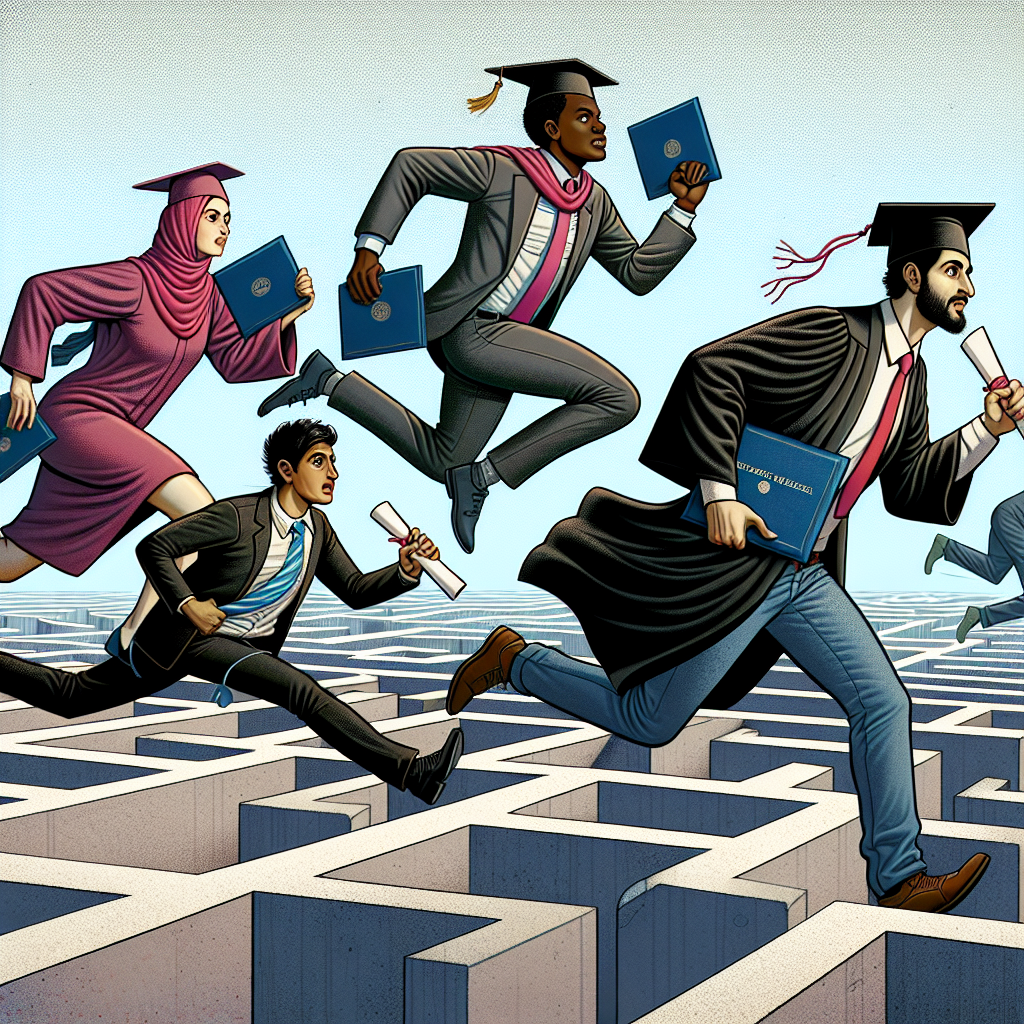
The conversation surrounding higher education is changing dramatically, particularly in light of the competitive job market. The quest for degrees, diplomas, and certifications is now accompanied by a growing debate regarding their actual value. As student debt skyrockets and the labor market evolves, individuals are reevaluating whether traditional educational paths are the best route to career success.
The Allure of Traditional Degrees
Traditionally, obtaining higher education has been associated with numerous advantages. Statistics consistently show that graduates tend to earn significantly more over their lifetimes compared to individuals without degrees. For fields like medicine, engineering, and academia, advanced degrees are often prerequisites.
Many view the journey toward a degree as a milestone, symbolizing hard work and intellectual achievement. The college experience is frequently described as transformative, fostering critical thinking and social connections that last well beyond graduation. Employers often highlight soft skills, such as communication and teamwork, developed during these formative years, as highly desirable traits in job candidates.
While these benefits are well-documented, they come with a hefty price tag. In 2023, the escalating cost of higher education has resulted in student loan debt in the United States exceeding **$1.7 trillion**. This financial burden can overshadow the perceived benefits of earning a degree, leading many graduates to find themselves in jobs that do not require their qualifications.
The increasing number of degree holders in the job market raises questions about whether a degree is still a reliable pathway to opportunity. As the supply of graduates grows, the perceived value of these credentials may be diminishing, prompting a reassessment of what constitutes adequate education for today’s workforce.
Shifting Focus: Skills Over Credentials
In response to these challenges, the labor market is gradually gravitating towards a skill-based hiring approach. Prominent companies, including **Google**, **Apple**, and **IBM**, are leading this shift by prioritizing skills and competencies over traditional educational qualifications. This trend reflects a broader recognition that practical experience and on-the-job training can be just as valuable, if not more so, than a formal degree.
Educators and policymakers are advocating for alternatives to the conventional degree system. Options such as vocational training, apprenticeships, and micro-credentialing programs are gaining traction. These routes provide practical experience while minimizing or eliminating the financial burden often associated with a four-year degree.
The evolving landscape of employment and education indicates that the credential conundrum is unlikely to resolve itself simply. Individual circumstances, career aspirations, and family backgrounds all play significant roles in the decision to pursue higher education.
Balancing the merits of a degree with the practical skillsets employers seek will require a cultural shift in how society views education and success. Educational institutions must adapt by integrating technology, promoting lifelong learning, and collaborating with industry partners to ensure that their curricula align with market needs.
Students, for their part, should explore diverse pathways, seeking knowledge and skills that align with a rapidly changing job environment.
In summary, the pursuit of degrees remains a central narrative in society, but it must evolve. By emphasizing skills, fostering innovation in education, and promoting flexible pathways, society can transform the credential conundrum into opportunities for a more inclusive and effective approach to learning and career development. As we navigate this changing terrain, it is crucial to challenge the notion that a degree is the only path to success, recognizing that numerous routes exist for achieving professional and personal fulfillment in today’s world.










Revolutionary Photonic Ski-Jump Could Miniaturize LiDAR Systems

Couples Detox from Plastics in New Netflix Doc: Can It Boost Fertility?

Aventon Launches Affordable Full-Suspension Electric Mountain Bike

Discover Eight Must-Try Restaurants This Spring Season

UC Irvine Team Unveils Innovative Ion Pump for Water Treatment

One-Third of Americans Trim Daily Expenses for Healthcare Needs

Apple Secures First Oscar in Three Years with F1: The Movie

Fourth Graders Celebrate St. Patrick’s Day with Creative Weather Drawings

Kim Kardashian Dazzles at Vanity Fair Oscars Party 2026

Nostradamus’ 2026 Predictions: Star Death and Dark Events Loom

Breakthroughs and Challenges Await Science in 2026

Electric Moto Influencer Surronster Arrested in Tijuana

OpenAI to Implement Age Verification for ChatGPT by December 2025

Discover the Top 10 Calorie Counting Apps of 2025

Recovering a Suspended TikTok Account: A Step-by-Step Guide

Bella Hadid Shares Health Update After Treatment for Lyme Disease

Backpack Drives Equip Students with Supplies for New School Year

Analysts Project Stronger Growth for Apple’s iPhone 17 Lineup
-
 Science7 months ago
Nostradamus’ 2026 Predictions: Star Death and Dark Events Loom
-
 Science7 months ago
Breakthroughs and Challenges Await Science in 2026
-
 Technology11 months ago
Electric Moto Influencer Surronster Arrested in Tijuana
-
 Technology8 months ago
OpenAI to Implement Age Verification for ChatGPT by December 2025
-
 Technology1 year ago
Discover the Top 10 Calorie Counting Apps of 2025
-
 Technology1 year ago
Recovering a Suspended TikTok Account: A Step-by-Step Guide
-
 Health11 months ago
Bella Hadid Shares Health Update After Treatment for Lyme Disease
-
 Education1 year ago
Backpack Drives Equip Students with Supplies for New School Year
-
 Health11 months ago
Analysts Project Stronger Growth for Apple’s iPhone 17 Lineup
-

 Technology7 months ago
Top 10 Penny Stocks to Watch in 2026 for Strong Returns
-

 Health11 months ago
Japanese Study Finds Rose Oil Can Increase Brain Gray Matter
-

 Science10 months ago
Starship V3 Set for 2026 Launch After Successful Final Test of Version 2