
Education
Pennsylvania Mandates Cursive Handwriting in Schools Starting April

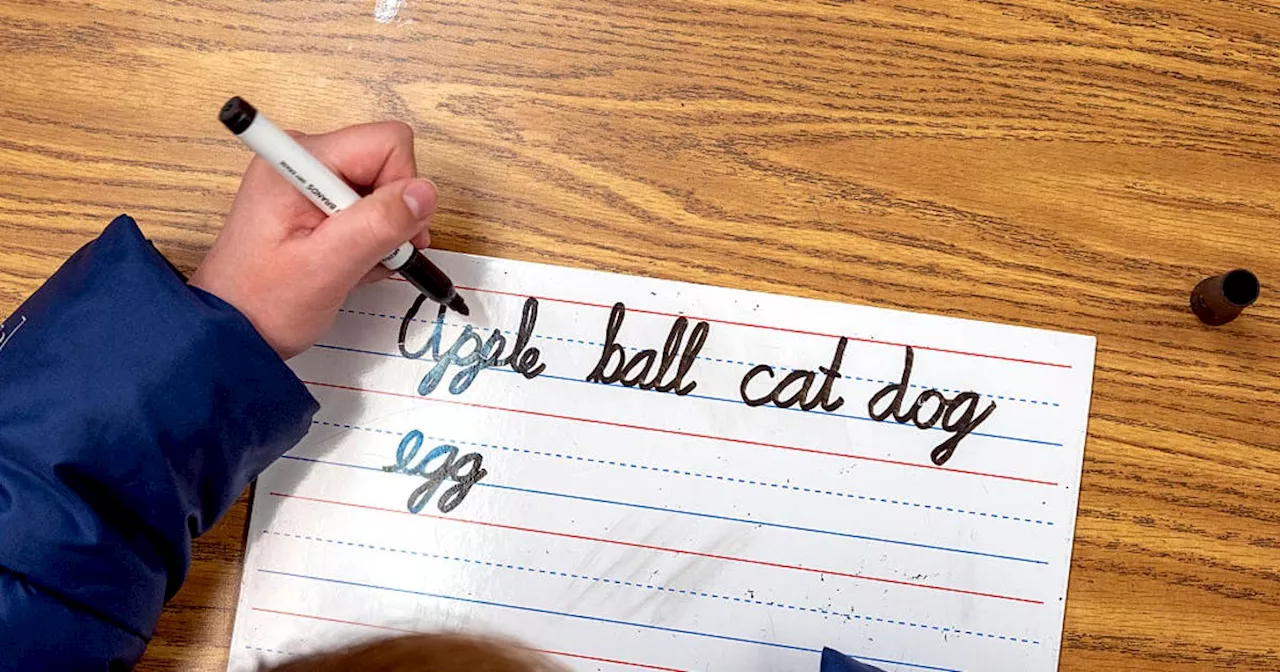
Starting April 12, 2024, all public and private schools in Pennsylvania will be required to reintroduce cursive handwriting into their curricula. This new mandate, signed into law by Governor Josh Shapiro in February, aims to enhance students’ writing skills through the inclusion of cursive, joined italics, and printing at appropriate grade levels.
The legislation amends the state’s Public School Code of 1949, ensuring that cursive handwriting becomes a formal part of the writing curriculum for students across the state. The bill received strong bipartisan support in the Pennsylvania General Assembly, passing the House with a vote of 195–8 and the Senate by 42–5 before being signed into law.
Legislative Support and Educational Goals
The bill was sponsored by Senator Wayne Langerholc, who emphasized the cognitive benefits of reintroducing cursive handwriting. In a statement, Langerholc remarked, “By reintegrating cursive into the curriculum, we are investing in our students’ cognitive development, strengthening their legal preparedness, and preserving their connection to historical literacy.”
House sponsor Representative Dane Watro echoed these sentiments, asserting that cursive instruction benefits fine motor development and aids access to historical documents. Watro stated, “Cursive is more than handwriting. It’s a bridge. It connects us to our history, strengthens learning, and deepens our understanding of the world.”
The push to restore cursive comes in the wake of the Common Core Standards established in 2010, which did not include cursive handwriting, focusing instead on print handwriting and keyboarding skills. Despite this, more than half of U.S. states still require or encourage cursive instruction in classrooms, according to a report by Education Week.
Research and Implementation Challenges
Neuroscience research indicates that handwriting, especially cursive, activates broader brain networks related to language, memory, attention, and motor planning. This suggests that cursive may support deeper learning and enhance memory retention. Other studies reveal that practicing cursive improves writing fluency, speed, fine motor coordination, and spelling accuracy. Nevertheless, experts caution that most current research discusses handwriting in general rather than specifically addressing cursive.
As Pennsylvania prepares for this transition, the state’s Department of Education is developing official guidance to assist schools in implementing cursive instruction effectively. According to department spokesperson Erin James, this guidance will outline practical steps and expectations for schools, helping educators adjust schedules and lesson plans. Recommendations may also encompass professional development and curriculum materials aimed at supporting effective instruction.
As the April deadline approaches, the exact methods and timelines for implementing this new law across Pennsylvania remain to be clarified. The anticipated changes are expected to reshape the writing education landscape, connecting students not only to their history but also to essential skills for their future.












Revolutionary Photonic Ski-Jump Could Miniaturize LiDAR Systems

Couples Detox from Plastics in New Netflix Doc: Can It Boost Fertility?

Aventon Launches Affordable Full-Suspension Electric Mountain Bike

Discover Eight Must-Try Restaurants This Spring Season

UC Irvine Team Unveils Innovative Ion Pump for Water Treatment

One-Third of Americans Trim Daily Expenses for Healthcare Needs

Apple Secures First Oscar in Three Years with F1: The Movie

Fourth Graders Celebrate St. Patrick’s Day with Creative Weather Drawings

Kim Kardashian Dazzles at Vanity Fair Oscars Party 2026

Nostradamus’ 2026 Predictions: Star Death and Dark Events Loom

Breakthroughs and Challenges Await Science in 2026

Electric Moto Influencer Surronster Arrested in Tijuana

OpenAI to Implement Age Verification for ChatGPT by December 2025

Discover the Top 10 Calorie Counting Apps of 2025

Bella Hadid Shares Health Update After Treatment for Lyme Disease

Analysts Project Stronger Growth for Apple’s iPhone 17 Lineup

Japanese Study Finds Rose Oil Can Increase Brain Gray Matter

Top 10 Penny Stocks to Watch in 2026 for Strong Returns
-
 Science4 months ago
Nostradamus’ 2026 Predictions: Star Death and Dark Events Loom
-
 Science4 months ago
Breakthroughs and Challenges Await Science in 2026
-
 Technology7 months ago
Electric Moto Influencer Surronster Arrested in Tijuana
-
 Technology4 months ago
OpenAI to Implement Age Verification for ChatGPT by December 2025
-
 Technology9 months ago
Discover the Top 10 Calorie Counting Apps of 2025
-
 Health7 months ago
Bella Hadid Shares Health Update After Treatment for Lyme Disease
-
 Health7 months ago
Analysts Project Stronger Growth for Apple’s iPhone 17 Lineup
-
 Health7 months ago
Japanese Study Finds Rose Oil Can Increase Brain Gray Matter
-
 Technology4 months ago
Top 10 Penny Stocks to Watch in 2026 for Strong Returns
-

 Science6 months ago
Starship V3 Set for 2026 Launch After Successful Final Test of Version 2
-

 Technology1 month ago
Nvidia GTC 2026: Major Announcements Expected for AI and Hardware
-

 Education7 months ago
Harvard Secures Court Victory Over Federal Funding Cuts