
Education
Pennsylvania Leaders Discuss Literacy Improvement Strategies

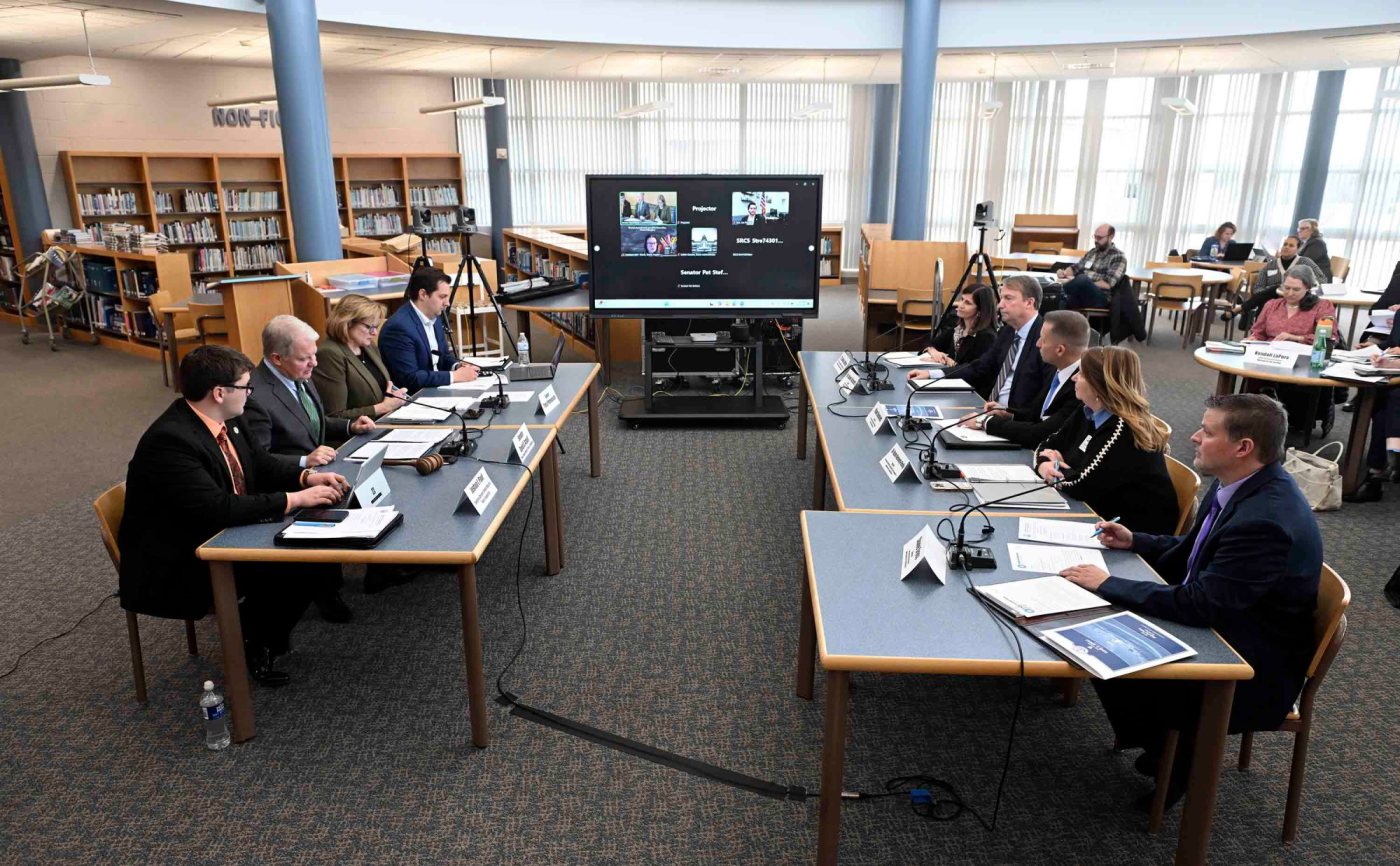
State officials and education leaders convened at the Daniel Boone Middle School in Amity Township, Pennsylvania, on January 12, 2026, to address critical literacy issues affecting students across the region. Their discussions focused on the recent steps taken by the state to enhance reading proficiency and the additional measures necessary to meet literacy goals.
Under the 2025-26 budget, Pennsylvania school districts are mandated to implement evidence-based reading curricula by the 2027-28 academic year and provide new training for teachers in literacy instruction. The budget allocates $10 million specifically for literacy initiatives, reflecting the state’s commitment to improving educational outcomes.
During the meeting, hosted by Senator Tracy Pennycuick as part of the Senate Majority Policy Committee, participants underscored the profound impact of literacy on students’ future success. “If a student can’t read, that causes trouble for the rest of that person’s life,” stated Senator David Argall, the committee chair. Pennycuick echoed this sentiment, emphasizing that reading serves as a foundational skill that influences all areas of education.
Next Steps for Literacy Improvement
Experts attending the event shared insights on essential next steps for state officials to ensure effective implementation of literacy strategies. A consensus emerged around two primary concerns: the need for adequate training for educators and the provision of necessary resources to support new curricula.
Shane Cross, director of curriculum and instruction for the Daniel Boone School District, highlighted the financial burden that implementing new curricula places on already stretched school budgets. He suggested the creation of a centralized repository for curriculum documents, which would facilitate collaboration among districts. “That would allow us to share each other’s work,” Cross remarked.
Cross also called for state funding to support literacy coaches and professional development for teachers. Similarly, Dr. Katie Kennedy-Reilly, who leads curriculum and instruction at the Souderton School District, stressed that effective reading instruction requires proper resources and training. “Learning to read is not magic; it’s craft and care,” she explained, advocating for a comprehensive approach to literacy education.
Financial challenges were a recurring theme during the discussions. Ryan Oxenford, director of curriculum at the Pottstown School District, shed light on the socioeconomic barriers faced by his students, with approximately 69% living below the poverty line. He cited an annual underfunding of up to $13 million, which complicates the implementation of new literacy programs.
Oxenford cautioned against over-reliance on standardized testing data, such as the Pennsylvania System of School Assessment (PSSA). He noted discrepancies in proficiency rates, stating that while 20% of third graders who did not score proficiently on the PSSA performed well on internal assessments, the timing of PSSA results limits the ability to make timely adjustments in teaching strategies.
Addressing Early Learning and Adult Literacy
The meeting also highlighted the importance of early education in literacy development. Dr. Donna Gaffney, director of organizational learning for the Montgomery County Intermediate Unit, emphasized that access to quality early education is crucial. “Schools are faced with remediation, not learning,” she pointed out, calling for increased funding to support early learning initiatives.
Ashley Chambers, senior vice president of community impact at the United Way of Berks County, echoed this need, noting that many children arrive in kindergarten already behind in their learning. “These gaps don’t start in school; they start years earlier,” she stated, advocating for more state funding directed toward early education.
On the opposite end of the educational spectrum, Ryan Breisch, executive director of the Literacy Council of Reading-Berks, addressed the pressing issue of adult literacy. He reported that approximately 90,000 adults in Berks County are functionally illiterate, which creates significant barriers in areas such as employment and daily living. Breisch urged state officials to maintain funding for adult literacy programs, which are essential for improving overall community literacy.
The discussion concluded with a call for a structured approach to literacy initiatives. Candance Hall, a board member of the International Dyslexia Association, criticized the frequent failure of mandated educational initiatives, citing a 70% failure rate due to inadequate planning and resources. She advocated for a statewide implementation roadmap to guide districts in their literacy efforts.
As Pennsylvania continues to prioritize literacy, leaders at this meeting emphasized the need for sustained funding and leadership to ensure that all students have the opportunity to develop essential reading skills. The collective insights from educators and officials present highlight a commitment to enhancing literacy outcomes across the state, with the understanding that early intervention and ongoing support are key to success.












Revolutionary Photonic Ski-Jump Could Miniaturize LiDAR Systems

Couples Detox from Plastics in New Netflix Doc: Can It Boost Fertility?

Aventon Launches Affordable Full-Suspension Electric Mountain Bike

Discover Eight Must-Try Restaurants This Spring Season

UC Irvine Team Unveils Innovative Ion Pump for Water Treatment

One-Third of Americans Trim Daily Expenses for Healthcare Needs

Apple Secures First Oscar in Three Years with F1: The Movie

Fourth Graders Celebrate St. Patrick’s Day with Creative Weather Drawings

Kim Kardashian Dazzles at Vanity Fair Oscars Party 2026

Nostradamus’ 2026 Predictions: Star Death and Dark Events Loom

Breakthroughs and Challenges Await Science in 2026

Electric Moto Influencer Surronster Arrested in Tijuana

OpenAI to Implement Age Verification for ChatGPT by December 2025

Discover the Top 10 Calorie Counting Apps of 2025

Recovering a Suspended TikTok Account: A Step-by-Step Guide

Bella Hadid Shares Health Update After Treatment for Lyme Disease

Backpack Drives Equip Students with Supplies for New School Year

Analysts Project Stronger Growth for Apple’s iPhone 17 Lineup
-
 Science7 months ago
Nostradamus’ 2026 Predictions: Star Death and Dark Events Loom
-
 Science7 months ago
Breakthroughs and Challenges Await Science in 2026
-
 Technology10 months ago
Electric Moto Influencer Surronster Arrested in Tijuana
-
 Technology8 months ago
OpenAI to Implement Age Verification for ChatGPT by December 2025
-
 Technology1 year ago
Discover the Top 10 Calorie Counting Apps of 2025
-
 Technology1 year ago
Recovering a Suspended TikTok Account: A Step-by-Step Guide
-
 Health11 months ago
Bella Hadid Shares Health Update After Treatment for Lyme Disease
-
 Education1 year ago
Backpack Drives Equip Students with Supplies for New School Year
-
 Health11 months ago
Analysts Project Stronger Growth for Apple’s iPhone 17 Lineup
-

 Technology7 months ago
Top 10 Penny Stocks to Watch in 2026 for Strong Returns
-

 Health11 months ago
Japanese Study Finds Rose Oil Can Increase Brain Gray Matter
-

 Science10 months ago
Starship V3 Set for 2026 Launch After Successful Final Test of Version 2