
Education
Oregon’s Education System Faces Critical Time Deficit

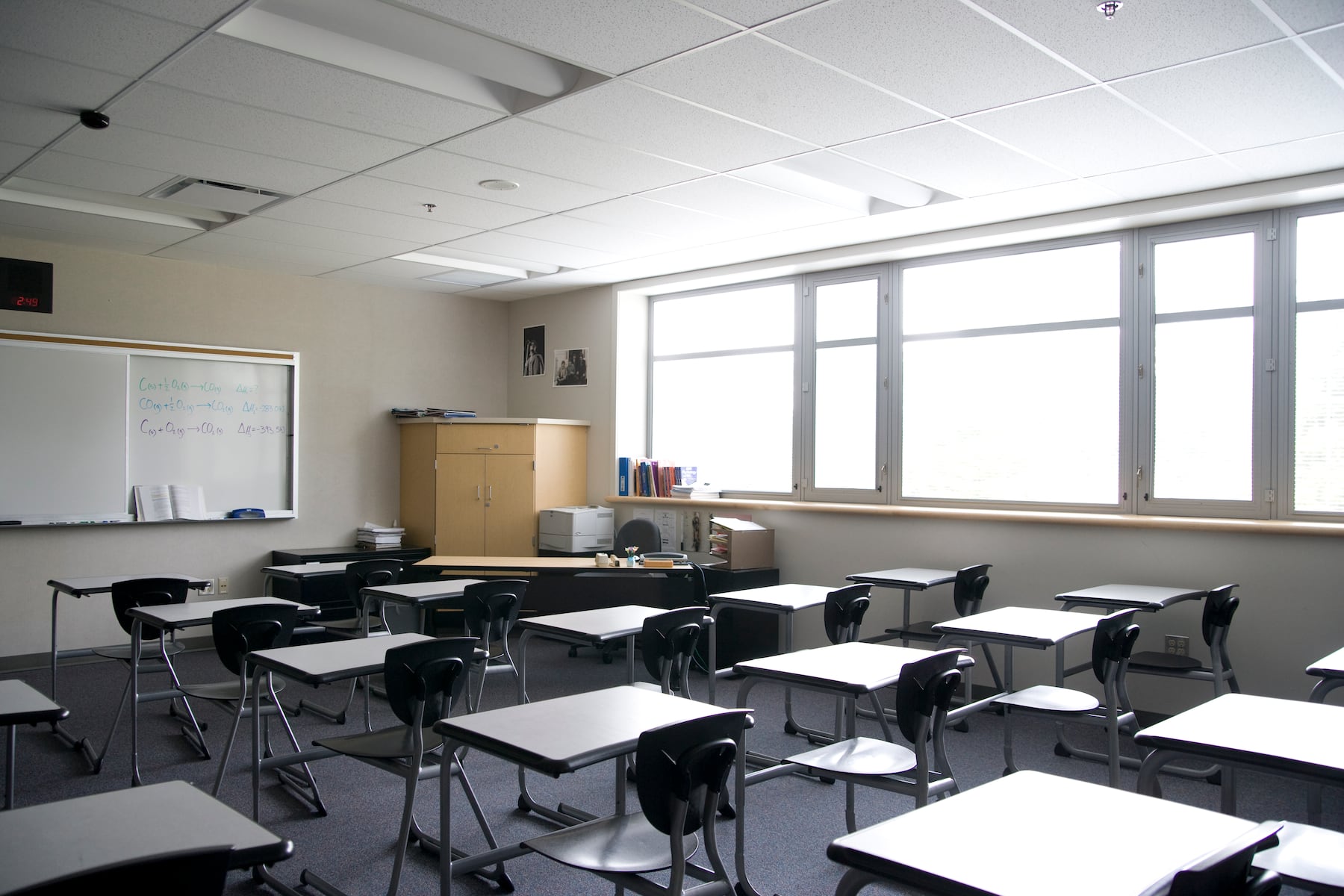
Oregon is grappling with a significant educational crisis, primarily stemming from inadequate instructional time and high rates of chronic absenteeism. According to a recent analysis by ECOnorthwest, commissioned by Stand for Children, students in Oregon are receiving considerably less classroom time compared to their peers nationwide. The findings highlight that Oregon’s education system is fundamentally flawed, leading to poor academic outcomes and a pressing need for reform.
Oregon students are mandated to receive a minimum of 900 hours of instruction for grades K-8 and 990 hours for grades 9-11. This amounts to approximately 1.25 years less classroom time throughout their K-12 education compared to neighboring Washington State. The situation is exacerbated for students who are chronically absent, potentially facing a cumulative educational deficit of up to three full years by the time they graduate.
The ramifications of this time deficit are evident in the state’s academic performance. Research indicates that increased instructional time correlates with improved student outcomes. The ECOnorthwest study suggests that elevating instructional hours and improving attendance rates could significantly enhance Oregon students’ reading proficiency, elevating them from the lowest to a more competitive tier nationally.
Disparities exist not only between states but also within Oregon itself. Different school districts offer varying levels of instructional time, leading to inequalities where students in less advantaged areas receive markedly less education. For instance, one student might finish elementary school having attended 1.4 years less than another simply due to their geographic location.
Oregon’s educational shortcomings have deep roots. In 2003, many districts cut nearly five weeks from the academic calendar, which was met with widespread criticism yet failed to prompt necessary changes. Since then, the state has not fully restored those lost instructional days, leading to a chronic underfunding of education that has persisted for decades. The pandemic further highlighted these issues, as the state eliminated truancy officers, leaving districts struggling to manage rising absenteeism without adequate support.
Looking ahead, Oregon has initiated some positive changes, investing in early literacy and high school success programs. Districts are adopting research-backed curricula; however, the effectiveness of these initiatives hinges on sufficient instructional time. As the foundation of learning, time in the classroom must be prioritized to ensure that educational investments benefit all students equally.
To address these challenges, House Bill 4154 aims to enhance accountability by requiring the Department of Education to publish attendance data quarterly. This aligns with national best practices and enables timely interventions for students at risk of chronic absenteeism. While this bill alone will not resolve the multifaceted issues facing Oregon’s education system, it represents a critical first step towards meaningful reform.
As the state embarks on its short legislative session, there is an urgent need to protect every available school day and redefine what constitutes “instructional time.” Currently, up to 60 hours of non-instructional time can be counted towards minimum requirements, which detracts from genuine learning.
It is imperative for Oregon to tackle attendance issues with effective reporting and warning systems, allowing proactive measures before students fall into chronic absenteeism. These straightforward changes are long overdue and could significantly enhance the educational landscape for Oregon’s children.
In conclusion, Oregon stands at a crossroads. With concerted effort and a commitment to prioritizing educational time and accountability, the state has the potential to improve its educational outcomes and secure a brighter future for all students.












Revolutionary Photonic Ski-Jump Could Miniaturize LiDAR Systems

Couples Detox from Plastics in New Netflix Doc: Can It Boost Fertility?

Aventon Launches Affordable Full-Suspension Electric Mountain Bike

Discover Eight Must-Try Restaurants This Spring Season

UC Irvine Team Unveils Innovative Ion Pump for Water Treatment

One-Third of Americans Trim Daily Expenses for Healthcare Needs

Apple Secures First Oscar in Three Years with F1: The Movie

Fourth Graders Celebrate St. Patrick’s Day with Creative Weather Drawings

Kim Kardashian Dazzles at Vanity Fair Oscars Party 2026

Nostradamus’ 2026 Predictions: Star Death and Dark Events Loom

Breakthroughs and Challenges Await Science in 2026

Electric Moto Influencer Surronster Arrested in Tijuana

OpenAI to Implement Age Verification for ChatGPT by December 2025

Discover the Top 10 Calorie Counting Apps of 2025

Recovering a Suspended TikTok Account: A Step-by-Step Guide

Bella Hadid Shares Health Update After Treatment for Lyme Disease

Backpack Drives Equip Students with Supplies for New School Year

Analysts Project Stronger Growth for Apple’s iPhone 17 Lineup
-
 Science8 months ago
Nostradamus’ 2026 Predictions: Star Death and Dark Events Loom
-
 Science8 months ago
Breakthroughs and Challenges Await Science in 2026
-
 Technology11 months ago
Electric Moto Influencer Surronster Arrested in Tijuana
-
 Technology9 months ago
OpenAI to Implement Age Verification for ChatGPT by December 2025
-
 Technology1 year ago
Discover the Top 10 Calorie Counting Apps of 2025
-
 Technology1 year ago
Recovering a Suspended TikTok Account: A Step-by-Step Guide
-
 Health11 months ago
Bella Hadid Shares Health Update After Treatment for Lyme Disease
-
 Education1 year ago
Backpack Drives Equip Students with Supplies for New School Year
-
 Health11 months ago
Analysts Project Stronger Growth for Apple’s iPhone 17 Lineup
-

 Health12 months ago
Japanese Study Finds Rose Oil Can Increase Brain Gray Matter
-

 Technology8 months ago
Top 10 Penny Stocks to Watch in 2026 for Strong Returns
-

 Science10 months ago
Starship V3 Set for 2026 Launch After Successful Final Test of Version 2