
Education
Michigan Faces Civic Education Crisis Amid FOIA Stalemate

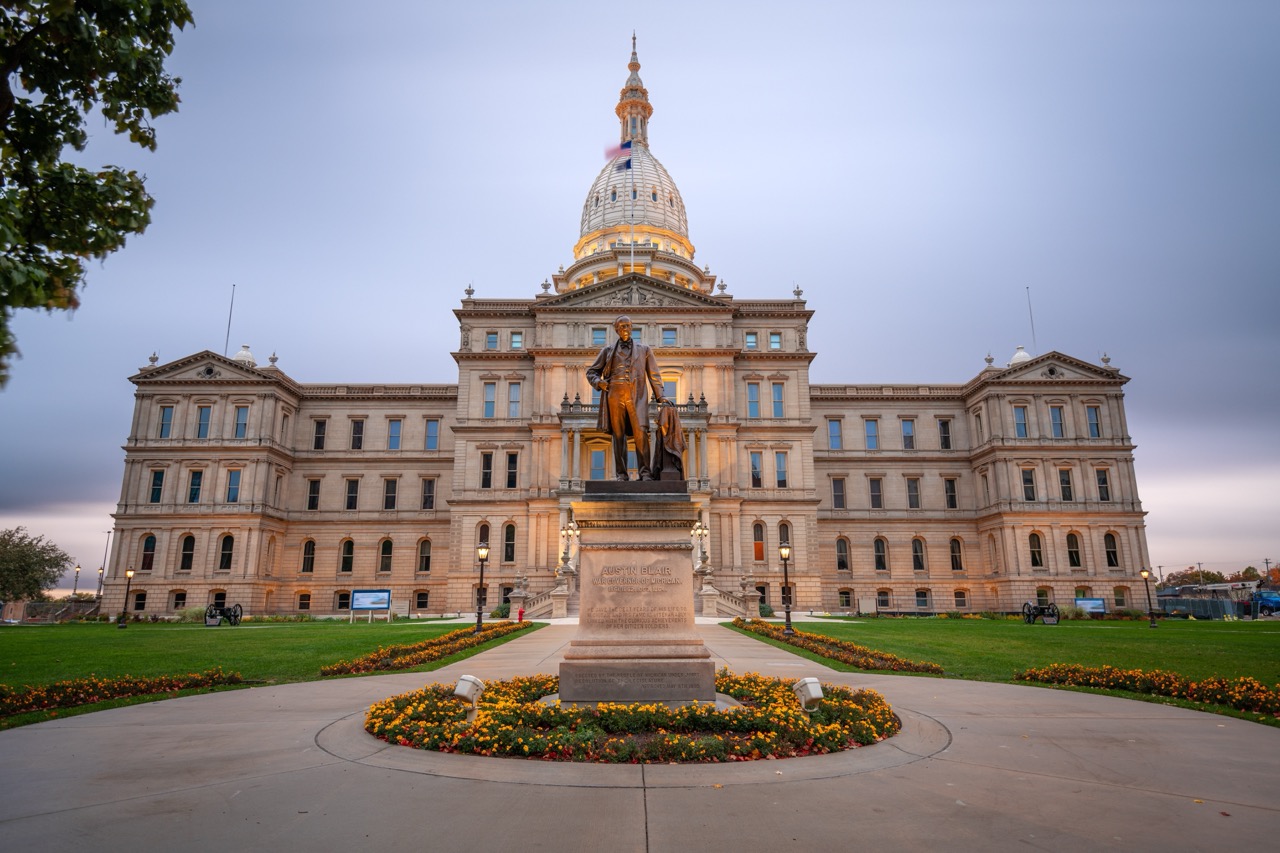
Access to quality civic education is diminishing in Michigan’s K-12 schools as the state grapples with outdated Freedom of Information Act (FOIA) laws, which rank among the least effective in the United States. As children and young adults navigate a landscape rife with disinformation from social media, the lack of robust civic instruction raises significant concerns about the future of democracy.
Efforts to reform Michigan’s FOIA, a critical tool for both journalists and citizens, have been stalled in the state legislature for nearly a decade. The law mandates that most local and state offices respond to requests for public records in a timely manner and without exorbitant fees. However, public records from the governor’s office and the state legislature remain inaccessible, limiting the public’s understanding of governmental processes.
Joel Kurth, executive editor of Bridge Michigan, a nonprofit organization reporting on state policies, underscores the importance of transparency laws. “We are stridently nonpartisan and not opinionated about anything beyond government transparency and the people’s right to access the basic doings of their government that they pay for,” Kurth stated. Bridge Michigan collaborates with various institutions to foster community dialogue, emphasizing the interconnectedness of journalism and civic engagement.
The Decline of Civic Education
The decline of civics education in Michigan is alarming, particularly in the context of rising digital literacy challenges. A recent study conducted by the Michigan Council for the Social Studies revealed that elementary social studies instruction is severely limited due to the emphasis on standardized testing in reading and math. The survey, which involved nearly 1,000 educators, highlighted a significant lack of class time, resources, and professional development dedicated to teaching social studies.
Brigid Beaubien, director of the Jiu-Hwa Lo Upshur Institute for Civic Education at Eastern Michigan University, describes the current situation as a “perfect storm” for democracy. She advocates for a renewed focus on developing knowledge and critical thinking skills among students. “We as a society need to focus on building knowledge and critical thinking skills,” Beaubien remarked, noting that the rapid evolution of technology necessitates a reevaluation of media literacy education.
Civility in political discourse is another crucial aspect of civic education that Beaubien emphasizes. She believes fostering deliberative dialogue is essential to promoting problem-solving rather than divisive attacks. “We need to make sure we’re building deliberative dialogue, that people understand what discourse looks like in a way that’s civil,” she added.
Political Stalemate and Public Trust
Despite public support for expanding FOIA, efforts have repeatedly stalled in the Michigan legislature, with neither political party taking decisive action. Lisa McGraw, Public Policy Manager at the Michigan Press Association, noted that this delay is detrimental to public trust in government and media. “We are suffering a crisis in journalism from a lack of trust, and that gets exponentially bigger when you look at public officials,” McGraw stated.
At Delta College, Journalism Professor Crystal McMorris teaches a media literacy course that has become increasingly important in today’s digital landscape. She observes that college students are more captivated by short, trending videos than in-depth investigative reporting. “The appetite for that kind of news just doesn’t seem to be there with the audience my students are creating for,” McMorris explained.
With the rise of generative artificial intelligence and other technologies, McMorris calls for greater emphasis on educating media consumers about accuracy and authenticity. “Diverse opinions and approaches are what make our country great. But when we don’t even have shared facts… I do fear for the future of democracy,” she cautioned.
The intertwined challenges of diminishing civic education and declining public trust in media and government present a daunting landscape for Michigan’s future. As discussions about reforming FOIA continue to stall, advocates for civic education stress the need for comprehensive strategies to enhance both public understanding and engagement in democratic processes.
Ameera Salman, a graduate of Eastern Michigan University, contributed to this report, underscoring the urgent necessity for reform in civic education and transparency laws.












Revolutionary Photonic Ski-Jump Could Miniaturize LiDAR Systems

Couples Detox from Plastics in New Netflix Doc: Can It Boost Fertility?

Aventon Launches Affordable Full-Suspension Electric Mountain Bike

Discover Eight Must-Try Restaurants This Spring Season

UC Irvine Team Unveils Innovative Ion Pump for Water Treatment

One-Third of Americans Trim Daily Expenses for Healthcare Needs

Apple Secures First Oscar in Three Years with F1: The Movie

Fourth Graders Celebrate St. Patrick’s Day with Creative Weather Drawings

Kim Kardashian Dazzles at Vanity Fair Oscars Party 2026

Nostradamus’ 2026 Predictions: Star Death and Dark Events Loom

Breakthroughs and Challenges Await Science in 2026

Electric Moto Influencer Surronster Arrested in Tijuana

OpenAI to Implement Age Verification for ChatGPT by December 2025

Discover the Top 10 Calorie Counting Apps of 2025

Bella Hadid Shares Health Update After Treatment for Lyme Disease

Analysts Project Stronger Growth for Apple’s iPhone 17 Lineup

Japanese Study Finds Rose Oil Can Increase Brain Gray Matter

Top 10 Penny Stocks to Watch in 2026 for Strong Returns
-
 Science3 months ago
Nostradamus’ 2026 Predictions: Star Death and Dark Events Loom
-
 Science3 months ago
Breakthroughs and Challenges Await Science in 2026
-
 Technology7 months ago
Electric Moto Influencer Surronster Arrested in Tijuana
-
 Technology4 months ago
OpenAI to Implement Age Verification for ChatGPT by December 2025
-
 Technology9 months ago
Discover the Top 10 Calorie Counting Apps of 2025
-
 Health7 months ago
Bella Hadid Shares Health Update After Treatment for Lyme Disease
-
 Health7 months ago
Analysts Project Stronger Growth for Apple’s iPhone 17 Lineup
-
 Health7 months ago
Japanese Study Finds Rose Oil Can Increase Brain Gray Matter
-
 Technology4 months ago
Top 10 Penny Stocks to Watch in 2026 for Strong Returns
-

 Science6 months ago
Starship V3 Set for 2026 Launch After Successful Final Test of Version 2
-

 Technology1 month ago
Nvidia GTC 2026: Major Announcements Expected for AI and Hardware
-

 Education7 months ago
Harvard Secures Court Victory Over Federal Funding Cuts