
Education
California Schools Seek Billions in Funding Shift Amid Attendance Debate

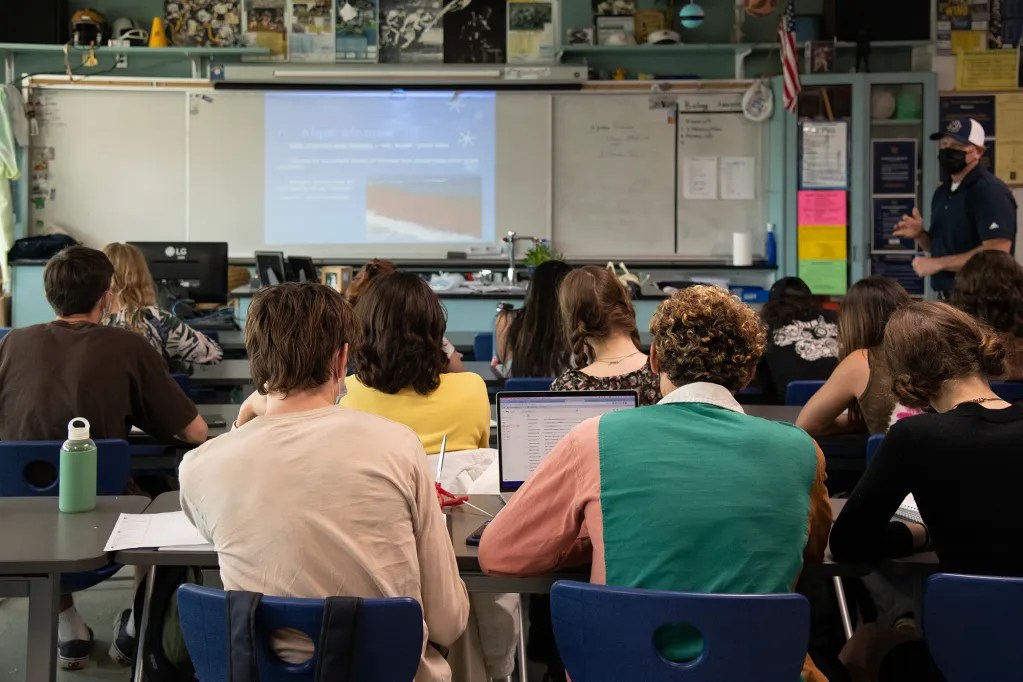
California schools are pushing for a significant change in how the state funds K-12 education, aiming to switch from an attendance-based model to one based on enrollment. This shift could potentially provide an additional $6 billion annually to schools across the state. However, a recent report by the nonpartisan Legislative Analyst’s Office suggests that this change may have unintended consequences, notably a decline in student attendance.
For over a century, California has relied on average daily attendance to determine school funding. This means that schools receive financial support based on how many students are physically present each day. While 45 other states have adopted enrollment-based funding, the transition in California raises concerns about diminishing incentives for schools to encourage daily attendance.
According to the report released on March 12, 2024, removing the link between funding and attendance could lead to decreased motivation for schools to engage students. The report warns that without a financial incentive, attendance may further decline, adversely affecting student performance.
Hedy Chang, president of the nonprofit organization Attendance Works, remarked on the analysis, stating, “It’s a thoughtful analysis that weighs the pros and cons. For some districts, there might be benefits to a funding switch, but it also helps when districts have a concrete incentive for encouraging kids to show up.”
Attendance plays a vital role in student success, with research indicating that students who attend school regularly tend to achieve higher test scores and graduation rates. Before the COVID-19 pandemic, nearly 96% of students attended school daily. That figure fell to around 90% during the pandemic and has yet to recover fully.
The issue of school funding and attendance was a recurring theme at a recent conference held by the California School Boards Association. Many educators expressed frustration that the current funding model does not adequately cover the actual costs of educating students, particularly those with higher needs.
Former Senator Anthony Portantino, a Democrat, previously proposed a bill to reform the funding formula. Ultimately, the bill passed in 2024 only requested a study from the Legislative Analyst’s Office, reflecting the complexities surrounding this issue.
The debate over funding models is further complicated by the reality that schools with high absenteeism rates often serve a significant number of students requiring additional support, such as English learners and low-income students. According to Troy Flint, a spokesperson for the California School Boards Association, linking funding to attendance could exacerbate existing disparities, as schools with 60% attendance rates would receive less funding, negatively impacting those who need assistance the most.
While switching to an enrollment-based funding model could increase K-12 funding substantially, the ramifications are not straightforward. Schools currently receive about $15,000 per student from the state’s main funding mechanism, the Local Control Funding Formula, supplemented by an additional $7,000 from various federal and state sources. In total, California allocated more than $100 billion to education last year.
Despite the financial implications, Flint emphasized that educators are driven by more than just money. “Most people in education desperately want kids in class every day,” he stated, highlighting the dedication of teachers and staff to student well-being.
Josh Schultz, superintendent of the Napa County Office of Education, noted that schools funded by attendance often experience lower attendance rates compared to those funded through local property taxes. He remarked, “I can understand the logic of the LAO’s assertion, but I don’t know if it bears out in reality, at least here.”
As California grapples with these funding challenges, the broader implications of attendance and educational quality continue to be at the forefront of discussions among educators and lawmakers alike.










Revolutionary Photonic Ski-Jump Could Miniaturize LiDAR Systems

Couples Detox from Plastics in New Netflix Doc: Can It Boost Fertility?

Aventon Launches Affordable Full-Suspension Electric Mountain Bike

Discover Eight Must-Try Restaurants This Spring Season

UC Irvine Team Unveils Innovative Ion Pump for Water Treatment

One-Third of Americans Trim Daily Expenses for Healthcare Needs

Apple Secures First Oscar in Three Years with F1: The Movie

Fourth Graders Celebrate St. Patrick’s Day with Creative Weather Drawings

Kim Kardashian Dazzles at Vanity Fair Oscars Party 2026

Nostradamus’ 2026 Predictions: Star Death and Dark Events Loom

Breakthroughs and Challenges Await Science in 2026

Electric Moto Influencer Surronster Arrested in Tijuana

OpenAI to Implement Age Verification for ChatGPT by December 2025

Discover the Top 10 Calorie Counting Apps of 2025

Bella Hadid Shares Health Update After Treatment for Lyme Disease

Analysts Project Stronger Growth for Apple’s iPhone 17 Lineup

Japanese Study Finds Rose Oil Can Increase Brain Gray Matter

Top 10 Penny Stocks to Watch in 2026 for Strong Returns
-
 Science4 months ago
Nostradamus’ 2026 Predictions: Star Death and Dark Events Loom
-
 Science4 months ago
Breakthroughs and Challenges Await Science in 2026
-
 Technology7 months ago
Electric Moto Influencer Surronster Arrested in Tijuana
-
 Technology4 months ago
OpenAI to Implement Age Verification for ChatGPT by December 2025
-
 Technology9 months ago
Discover the Top 10 Calorie Counting Apps of 2025
-
 Health7 months ago
Bella Hadid Shares Health Update After Treatment for Lyme Disease
-
 Health7 months ago
Analysts Project Stronger Growth for Apple’s iPhone 17 Lineup
-
 Health7 months ago
Japanese Study Finds Rose Oil Can Increase Brain Gray Matter
-
 Technology4 months ago
Top 10 Penny Stocks to Watch in 2026 for Strong Returns
-

 Science6 months ago
Starship V3 Set for 2026 Launch After Successful Final Test of Version 2
-

 Technology1 month ago
Nvidia GTC 2026: Major Announcements Expected for AI and Hardware
-

 Education7 months ago
Harvard Secures Court Victory Over Federal Funding Cuts