
Education
Archaeologists Uncover Lost 18th Century Mission in Texas

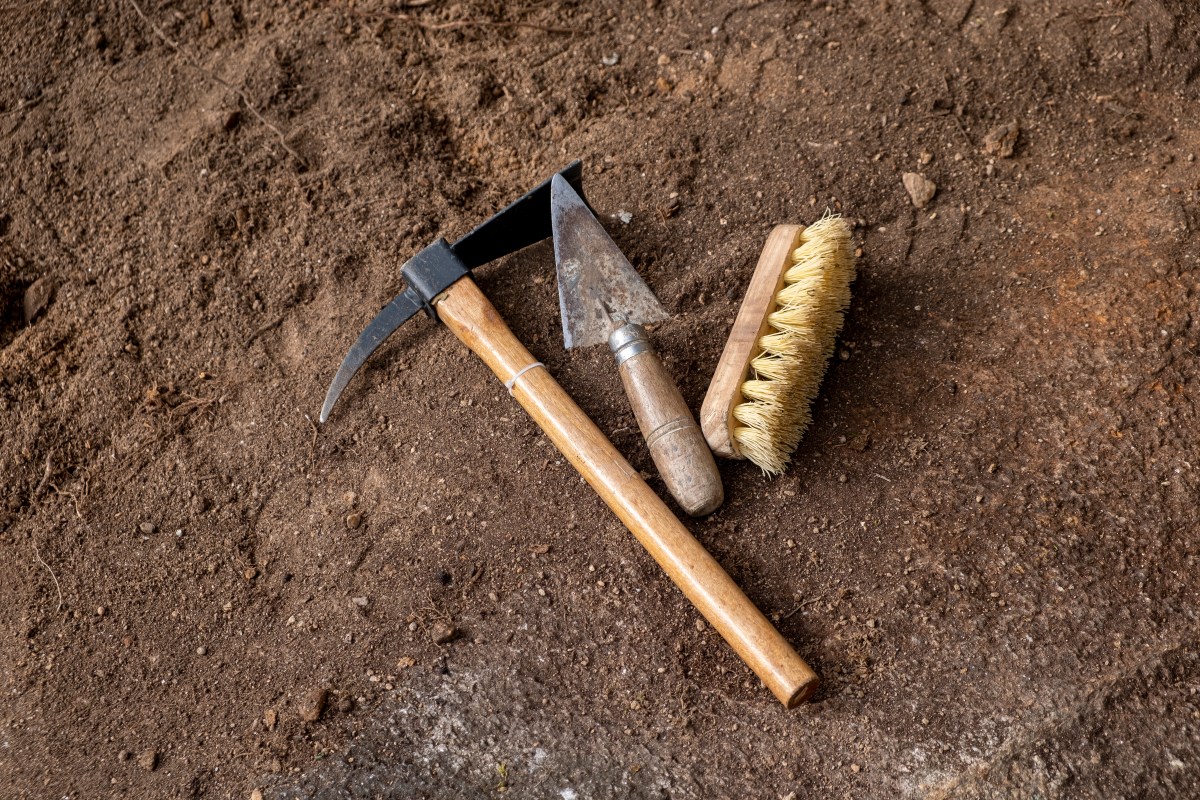
A significant archaeological discovery in Jackson County, Texas, has unveiled the long-lost site of the Mission Nuestra Señora del Espíritu Santo, shedding light on the region’s historical ties to 18th century Spain. Researchers from Texas Tech University and the Texas Historical Commission announced the finding earlier this month on privately owned land, near the historic Presidio la Bahía and Fort St. Louis.
This discovery concludes decades of speculation regarding the original location of the mission, established in the late 1600s before it vanished from the historical record. The mission, founded by Spanish missionaries in the early 1700s, aimed to convert the indigenous Karankawa people to Christianity and played a crucial role in Spain’s colonization efforts in the area. However, the mission’s presence was short-lived, as it was abandoned by the mid-1720s.
Archaeologists have long sought to pinpoint the exact location of the mission. The recent discovery was made possible through a collaborative effort involving Texas Historical Commission archaeologists, including Kay Hindes, Jim Bruseth, Tiffany Osburn, and Brad Jones, who worked alongside university researchers.
The Findings and Future Plans
According to Tamra Walter, assistant professor of archaeology at Texas Tech, “At this mission, activity dates from about 1721 or 1722 to 1725 or 1726.” This period provides a unique snapshot of life on the Spanish frontier during that time. Walter is now planning the next steps for the site, which will include a magnetic survey to define the site’s exact boundaries and further excavation to uncover artifacts.
Walter expressed enthusiasm about involving more Texas Tech students in the project, highlighting the educational opportunity it presents. “How many students can say they found a lost mission? Not many,” she remarked. The collaboration was crucial to the discovery, with significant support from the Summerlee Foundation, the Texas Historical Commission, and the private landowners in Jackson County.
The mission’s history is intertwined with earlier colonial efforts in the area, including a failed French expedition led by René-Robert Cavelier, Sieur de La Salle in the 1680s. The recent archaeological efforts not only recover lost history but also enhance our understanding of the cultural dynamics in early colonial Texas.
As the team prepares for the next phases of research, the excitement surrounding this discovery continues to grow. The findings hold the promise of revealing more about the interactions between European settlers and indigenous populations during a pivotal time in North American history.













Revolutionary Photonic Ski-Jump Could Miniaturize LiDAR Systems

Couples Detox from Plastics in New Netflix Doc: Can It Boost Fertility?

Aventon Launches Affordable Full-Suspension Electric Mountain Bike

Discover Eight Must-Try Restaurants This Spring Season

UC Irvine Team Unveils Innovative Ion Pump for Water Treatment

One-Third of Americans Trim Daily Expenses for Healthcare Needs

Apple Secures First Oscar in Three Years with F1: The Movie

Fourth Graders Celebrate St. Patrick’s Day with Creative Weather Drawings

Kim Kardashian Dazzles at Vanity Fair Oscars Party 2026

Nostradamus’ 2026 Predictions: Star Death and Dark Events Loom

Breakthroughs and Challenges Await Science in 2026

Electric Moto Influencer Surronster Arrested in Tijuana

OpenAI to Implement Age Verification for ChatGPT by December 2025

Discover the Top 10 Calorie Counting Apps of 2025

Bella Hadid Shares Health Update After Treatment for Lyme Disease

Analysts Project Stronger Growth for Apple’s iPhone 17 Lineup

Japanese Study Finds Rose Oil Can Increase Brain Gray Matter

Top 10 Penny Stocks to Watch in 2026 for Strong Returns
-
 Science3 months ago
Nostradamus’ 2026 Predictions: Star Death and Dark Events Loom
-
 Science4 months ago
Breakthroughs and Challenges Await Science in 2026
-
 Technology7 months ago
Electric Moto Influencer Surronster Arrested in Tijuana
-
 Technology4 months ago
OpenAI to Implement Age Verification for ChatGPT by December 2025
-
 Technology9 months ago
Discover the Top 10 Calorie Counting Apps of 2025
-
 Health7 months ago
Bella Hadid Shares Health Update After Treatment for Lyme Disease
-
 Health7 months ago
Analysts Project Stronger Growth for Apple’s iPhone 17 Lineup
-
 Health7 months ago
Japanese Study Finds Rose Oil Can Increase Brain Gray Matter
-
 Technology4 months ago
Top 10 Penny Stocks to Watch in 2026 for Strong Returns
-

 Science6 months ago
Starship V3 Set for 2026 Launch After Successful Final Test of Version 2
-

 Technology1 month ago
Nvidia GTC 2026: Major Announcements Expected for AI and Hardware
-

 Education7 months ago
Harvard Secures Court Victory Over Federal Funding Cuts