
Education
Alaska Urged to Invest in Education for Future Generations

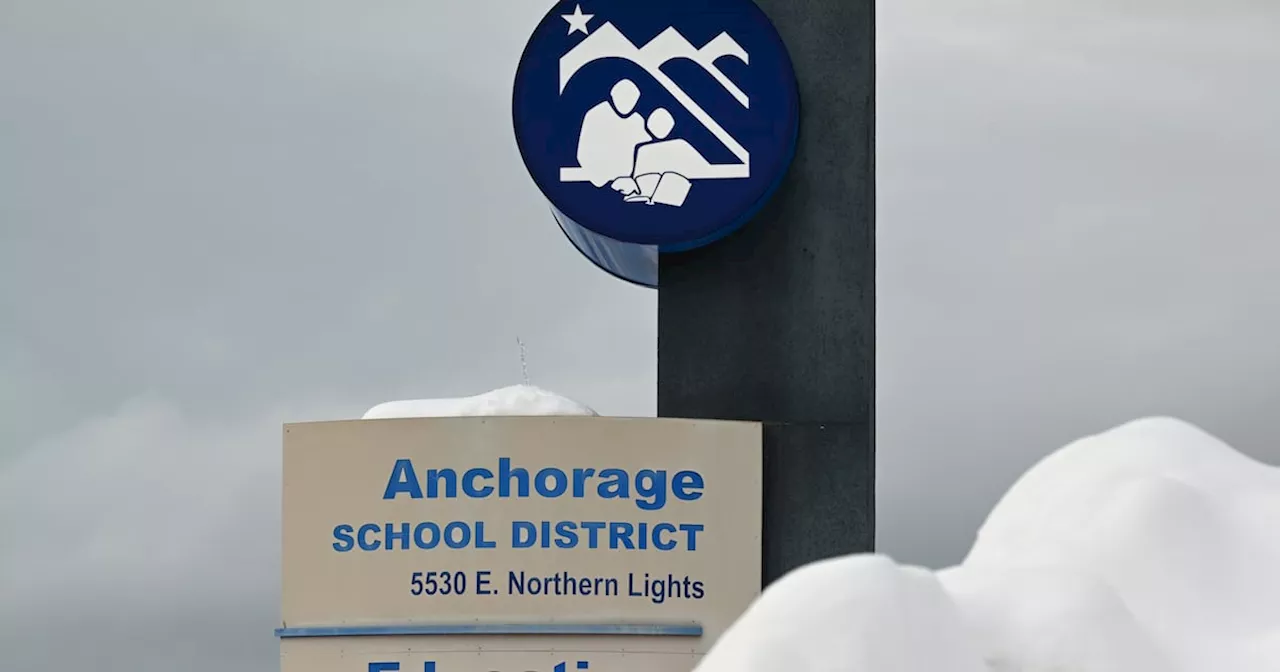
Alaska faces a pressing need for leadership committed to enhancing public education funding. The challenges confronting the state are numerous, affecting various sectors and making it difficult for residents to discern effective paths for improvement. Among these challenges, funding for education stands out as a critical area where actionable steps can make a significant difference.
Each year, the debate over education funding becomes a focal point in both the Anchorage School District budget and the state’s overall financial plan. Advocates hope for a broader discussion, one that goes beyond the usual arguments about budget cuts and resource allocation. The conversation often narrows to topics like class size, school closures, and the financial burdens placed on teachers, who frequently spend their own money on classroom supplies.
Despite not imposing state income taxes, Alaska struggles to allocate sufficient resources for education and essential services. The need for increased funding is evident, as the Base Student Allocation rose from $5,480 in 2009 to only $5,960 in 2024, following a veto override that increased it further to $6,660. When adjusted for inflation, the purchasing power of the 2009 allocation would be equivalent to approximately $8,274 to $8,350 in early 2026, assuming a steady inflation rate of 2.46%.
The potential consequences of budget cuts are stark. Areas such as teaching staff, school nurses, and extracurricular activities face significant threats as the Anchorage School Board grapples with a looming $90 million budget deficit. The board is actively seeking operational efficiencies and possible consolidations to maintain service levels. Yet, the pressing need calls for a fundamental change in approach.
Instead of slicing the budget into smaller pieces, advocates argue for a larger financial “pie.” This sentiment was reminiscent of the successful “People for Pools” campaign in Anchorage, which ensured the continued operation of public swimming facilities. A similar collective effort is now required to advocate for public schools.
As a parent of a student graduating from Bettye Davis East Anchorage High School in May 2024, the author expresses a personal desire for a robust educational system that demonstrates to all students that their futures are valued and supported. Investing in education is vital not just for the individual students, but also for the state’s long-term health and competitiveness.
Rising costs across all sectors, from groceries to healthcare, underscore the urgency for increased education funding. The Anchorage School Board’s recognition of the budget deficit highlights the necessity for immediate action. Governor Mike Dunleavy and the state legislature are called upon to prioritize educational investment, moving away from a strategy of continuous cuts.
No business in Alaska operates under the same budget constraints it did in 2009. As the state evolves, so too must its commitment to education. It is essential to demonstrate to Alaska’s youth that their education and future are of utmost importance. Only through strategic investment can the state cultivate an informed citizenry capable of addressing emerging challenges.











Revolutionary Photonic Ski-Jump Could Miniaturize LiDAR Systems

Couples Detox from Plastics in New Netflix Doc: Can It Boost Fertility?

Aventon Launches Affordable Full-Suspension Electric Mountain Bike

Discover Eight Must-Try Restaurants This Spring Season

UC Irvine Team Unveils Innovative Ion Pump for Water Treatment

One-Third of Americans Trim Daily Expenses for Healthcare Needs

Apple Secures First Oscar in Three Years with F1: The Movie

Fourth Graders Celebrate St. Patrick’s Day with Creative Weather Drawings

Kim Kardashian Dazzles at Vanity Fair Oscars Party 2026

Nostradamus’ 2026 Predictions: Star Death and Dark Events Loom

Breakthroughs and Challenges Await Science in 2026

Electric Moto Influencer Surronster Arrested in Tijuana

OpenAI to Implement Age Verification for ChatGPT by December 2025

Discover the Top 10 Calorie Counting Apps of 2025

Recovering a Suspended TikTok Account: A Step-by-Step Guide

Bella Hadid Shares Health Update After Treatment for Lyme Disease

Backpack Drives Equip Students with Supplies for New School Year

Analysts Project Stronger Growth for Apple’s iPhone 17 Lineup
-
 Science8 months ago
Nostradamus’ 2026 Predictions: Star Death and Dark Events Loom
-
 Science8 months ago
Breakthroughs and Challenges Await Science in 2026
-
 Technology11 months ago
Electric Moto Influencer Surronster Arrested in Tijuana
-
 Technology9 months ago
OpenAI to Implement Age Verification for ChatGPT by December 2025
-
 Technology1 year ago
Discover the Top 10 Calorie Counting Apps of 2025
-
 Technology1 year ago
Recovering a Suspended TikTok Account: A Step-by-Step Guide
-
 Health11 months ago
Bella Hadid Shares Health Update After Treatment for Lyme Disease
-
 Education1 year ago
Backpack Drives Equip Students with Supplies for New School Year
-
 Health12 months ago
Analysts Project Stronger Growth for Apple’s iPhone 17 Lineup
-

 Health12 months ago
Japanese Study Finds Rose Oil Can Increase Brain Gray Matter
-

 Technology8 months ago
Top 10 Penny Stocks to Watch in 2026 for Strong Returns
-

 Science10 months ago
Starship V3 Set for 2026 Launch After Successful Final Test of Version 2