
Top Stories
Study Reveals Colorblindness May Impact Bladder Cancer Detection

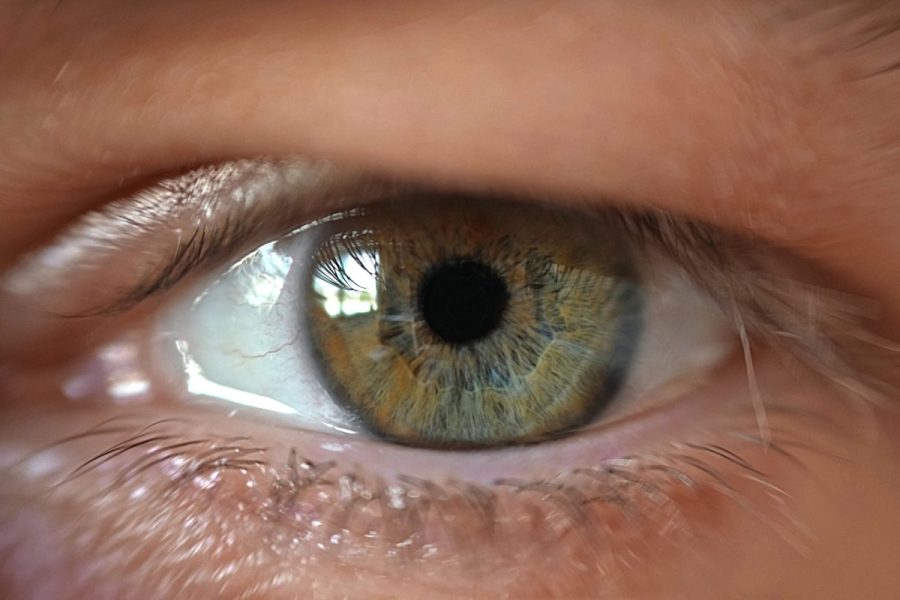
A recent study indicates that individuals with colorblindness may overlook critical early symptoms of bladder cancer, potentially leading to poorer health outcomes. Published in the peer-reviewed journal Nature, this research highlights the challenges faced by patients with color vision deficiencies when it comes to recognizing signs of this serious condition.
The study identifies that the initial indicators of bladder cancer, such as blood in urine or changes in urinary patterns, are often subtle. These symptoms can be harder to discern for those who struggle with color perception. Researchers found that the inability to differentiate between colors could delay diagnosis and treatment, ultimately impacting survival rates.
Implications for Diagnosis and Treatment
The implications of this finding are significant. Bladder cancer is the ninth most common cancer worldwide, affecting hundreds of thousands of individuals each year. According to the World Health Organization, early detection is critical in improving treatment effectiveness and patient outcomes.
The researchers emphasize that healthcare providers should consider color vision deficiencies when assessing patients who present with urinary symptoms. By doing so, they could implement strategies to ensure that colorblind patients receive timely and appropriate care. The study advocates for improved screening methods that could assist in recognizing symptoms that might otherwise go unnoticed.
In addition to enhancing awareness among healthcare professionals, the researchers call for further studies to explore how color vision deficiencies can alter the experience of patients with other forms of cancer. The goal is to develop targeted awareness campaigns and educational resources that address the unique challenges posed by color perception issues.
Next Steps for Research and Healthcare
Moving forward, it is crucial for the medical community to adapt its practices based on these findings. As bladder cancer can progress rapidly, timely intervention is essential. The research team encourages the implementation of visual aids or alternative diagnostic tools that could help patients with colorblindness identify symptoms more effectively.
This study serves as a reminder of the importance of inclusive healthcare practices. By understanding the different ways in which individuals perceive health information, healthcare providers can significantly improve outcomes for all patients.
As more research emerges, the hope is that these insights will lead to enhanced diagnostic protocols that account for the diverse needs of patients, particularly those with color vision deficiencies. Raising awareness and refining screening techniques could ultimately save lives and improve the quality of care for bladder cancer patients around the globe.









Revolutionary Photonic Ski-Jump Could Miniaturize LiDAR Systems

Couples Detox from Plastics in New Netflix Doc: Can It Boost Fertility?

Aventon Launches Affordable Full-Suspension Electric Mountain Bike

Discover Eight Must-Try Restaurants This Spring Season

UC Irvine Team Unveils Innovative Ion Pump for Water Treatment

One-Third of Americans Trim Daily Expenses for Healthcare Needs

Apple Secures First Oscar in Three Years with F1: The Movie

Fourth Graders Celebrate St. Patrick’s Day with Creative Weather Drawings

Kim Kardashian Dazzles at Vanity Fair Oscars Party 2026

Nostradamus’ 2026 Predictions: Star Death and Dark Events Loom

Breakthroughs and Challenges Await Science in 2026

Electric Moto Influencer Surronster Arrested in Tijuana

OpenAI to Implement Age Verification for ChatGPT by December 2025

Discover the Top 10 Calorie Counting Apps of 2025

Bella Hadid Shares Health Update After Treatment for Lyme Disease

Analysts Project Stronger Growth for Apple’s iPhone 17 Lineup

Japanese Study Finds Rose Oil Can Increase Brain Gray Matter

Top 10 Penny Stocks to Watch in 2026 for Strong Returns
-
 Science3 months ago
Nostradamus’ 2026 Predictions: Star Death and Dark Events Loom
-
 Science4 months ago
Breakthroughs and Challenges Await Science in 2026
-
 Technology7 months ago
Electric Moto Influencer Surronster Arrested in Tijuana
-
 Technology4 months ago
OpenAI to Implement Age Verification for ChatGPT by December 2025
-
 Technology9 months ago
Discover the Top 10 Calorie Counting Apps of 2025
-
 Health7 months ago
Bella Hadid Shares Health Update After Treatment for Lyme Disease
-
 Health7 months ago
Analysts Project Stronger Growth for Apple’s iPhone 17 Lineup
-
 Health7 months ago
Japanese Study Finds Rose Oil Can Increase Brain Gray Matter
-
 Technology4 months ago
Top 10 Penny Stocks to Watch in 2026 for Strong Returns
-

 Science6 months ago
Starship V3 Set for 2026 Launch After Successful Final Test of Version 2
-

 Technology1 month ago
Nvidia GTC 2026: Major Announcements Expected for AI and Hardware
-

 Education7 months ago
Harvard Secures Court Victory Over Federal Funding Cuts