
Top Stories
Rutgers Scientists Develop RNA Nanotechnology for Cancer Treatment

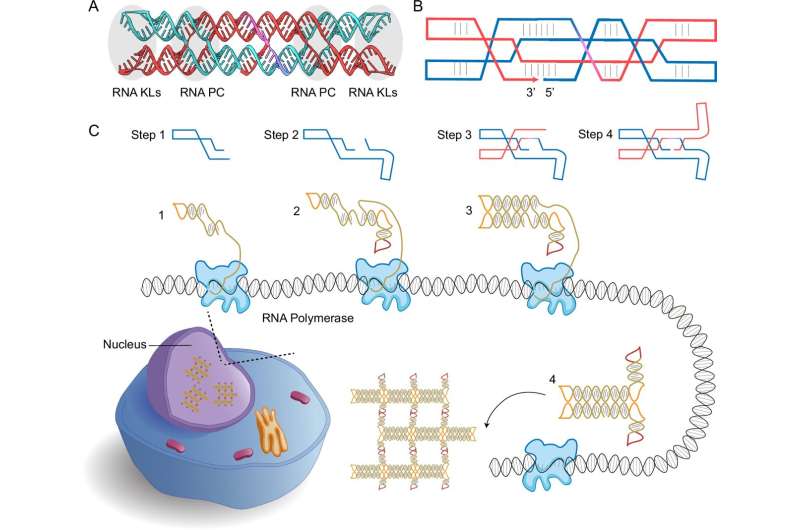
Researchers at Rutgers University–Newark have made a significant advancement in cancer treatment through the development of a groundbreaking RNA-based nanotechnology. This innovative approach allows for the self-assembly of RNA structures within living human cells, aiming to halt the spread of harmful cells. The findings, published on February 4, 2026, in the journal Nature Communications, provide new avenues for biomedical research and therapeutic applications.
Led by Professor Fei Zhang from the Department of Chemistry and Professor Jean-Pierre Etchegaray from the Department of Biological Sciences at Rutgers–Newark, the interdisciplinary team is currently testing this technology on human cancer cells. Although the study is ongoing and results have yet to be published, the initial outcomes are promising.
The self-assembling RNA nanostructures function as molecular tools that can be customized to target multiple detrimental genes and proteins at once. This versatility is crucial in tackling cancer, which often involves numerous malfunctioning genes working together. “We are providing a new design strategy for artificial RNA structures with programmable functions,” Zhang stated.
The technology harnesses the natural processes of cells. Every cell operates based on instructions encoded in DNA, with RNA serving as the messenger that conveys these instructions. Instead of introducing pre-synthesized molecules, the Rutgers team developed a method to provide a synthetic DNA template that enables the cells to generate their own RNA structures. These structures can be designed to fold into specific shapes and localize within the cell, thereby enhancing their functionality.
One of the key innovations of this research is the ability of the RNA components to behave like tiny Lego blocks, which find one another and snap together automatically. This self-assembly process allows for the creation of RNA structures with various geometries and functions. The researchers aim to program these structures to specifically recognize and target cancer cells, while leaving healthy cells unharmed.
The team has begun exploring the potential of this technology to disable cancer stem cells, which are known to initiate and propagate tumors while exhibiting therapeutic resistance. “We are trying to target oncogenes to disable cancer stem cells, preventing them from promoting tumor growth and metastasis,” Etchegaray explained.
Current RNA-based therapies generally focus on targeting one molecule at a time. In contrast, this new platform can interact with multiple targets simultaneously, marking a significant advancement in biotechnological applications. According to Zhang and Etchegaray, this capability could enhance existing RNA therapies.
The researchers have secured a provisional patent for their technology and are actively seeking investors, industry collaborators, and research partners to expedite its development, including clinical trials. “If we can attract diverse partners and interests, it will accelerate our progress,” Zhang remarked.
Beyond cancer, the researchers believe this customizable nanotechnology could be adapted to target other diseases caused by the misexpression of genes and proteins. The implications of this work represent a promising step forward in the quest for effective cancer therapies and other medical applications.
The detailed research can be accessed in the article titled “Designer RNA nanostructures co-transcribed and self-assembled inside human cell nuclei” by Xu Chang et al., published in Nature Communications (2025). The research highlights the innovative potential of RNA nanotechnology in treating complex diseases.










Revolutionary Photonic Ski-Jump Could Miniaturize LiDAR Systems

Couples Detox from Plastics in New Netflix Doc: Can It Boost Fertility?

Aventon Launches Affordable Full-Suspension Electric Mountain Bike

Discover Eight Must-Try Restaurants This Spring Season

UC Irvine Team Unveils Innovative Ion Pump for Water Treatment

One-Third of Americans Trim Daily Expenses for Healthcare Needs

Apple Secures First Oscar in Three Years with F1: The Movie

Fourth Graders Celebrate St. Patrick’s Day with Creative Weather Drawings

Kim Kardashian Dazzles at Vanity Fair Oscars Party 2026

Nostradamus’ 2026 Predictions: Star Death and Dark Events Loom

Breakthroughs and Challenges Await Science in 2026

OpenAI to Implement Age Verification for ChatGPT by December 2025

Electric Moto Influencer Surronster Arrested in Tijuana

Discover the Top 10 Calorie Counting Apps of 2025

Bella Hadid Shares Health Update After Treatment for Lyme Disease

Analysts Project Stronger Growth for Apple’s iPhone 17 Lineup

Top 10 Penny Stocks to Watch in 2026 for Strong Returns

Japanese Study Finds Rose Oil Can Increase Brain Gray Matter
-
 Science3 months ago
Nostradamus’ 2026 Predictions: Star Death and Dark Events Loom
-
 Science3 months ago
Breakthroughs and Challenges Await Science in 2026
-
 Technology4 months ago
OpenAI to Implement Age Verification for ChatGPT by December 2025
-
 Technology6 months ago
Electric Moto Influencer Surronster Arrested in Tijuana
-
 Technology8 months ago
Discover the Top 10 Calorie Counting Apps of 2025
-
 Health6 months ago
Bella Hadid Shares Health Update After Treatment for Lyme Disease
-
 Health7 months ago
Analysts Project Stronger Growth for Apple’s iPhone 17 Lineup
-
 Technology3 months ago
Top 10 Penny Stocks to Watch in 2026 for Strong Returns
-
 Health7 months ago
Japanese Study Finds Rose Oil Can Increase Brain Gray Matter
-

 Science5 months ago
Starship V3 Set for 2026 Launch After Successful Final Test of Version 2
-

 Technology4 weeks ago
Nvidia GTC 2026: Major Announcements Expected for AI and Hardware
-

 Education7 months ago
Harvard Secures Court Victory Over Federal Funding Cuts