
Top Stories
NIH Advisory Councils Face Crisis as Vacancies Grow

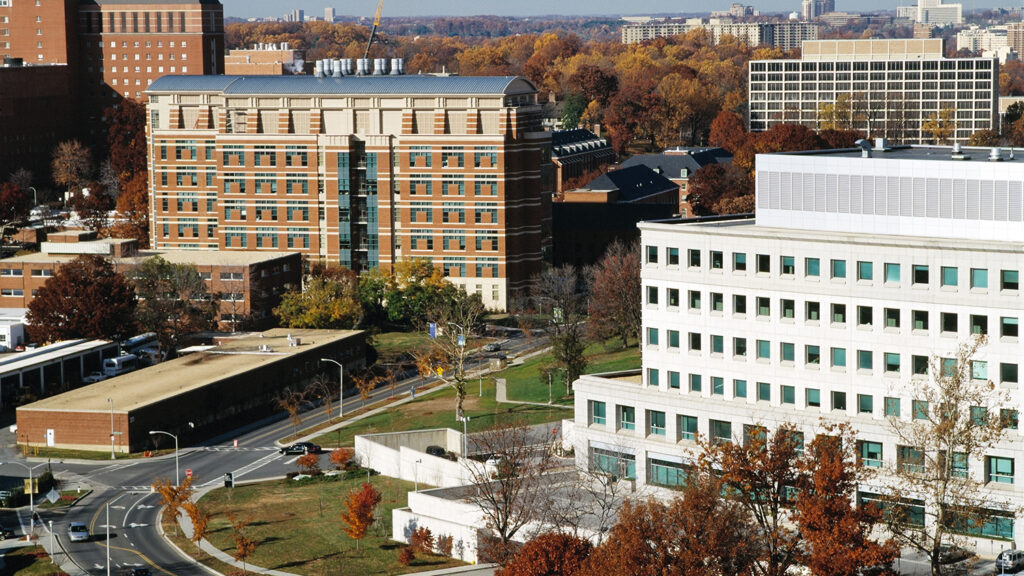
The National Institutes of Health (NIH) is grappling with a significant shortage of members on its advisory councils, essential bodies that recommend research funding at universities and medical centers. In 2022, no new members were appointed to these councils, leading to a depletion of their ranks as current members’ terms expired and several resigned. An analysis of annual reports submitted to a federal database reveals that most of the 25 councils are now operating with fewer than half of their full complement of members.
This decline in membership has raised concerns about the councils’ ability to provide the necessary expertise for informed funding decisions. With many panels lacking adequate representation, they risk violating federal laws governing their composition and operations.
The exact reasons for the Trump administration’s failure to fill these vacancies remain unclear. Contributing factors may include the departure of several long-serving staff members from the NIH committee management office, notably the former director, Claire Harris, who retired last year. Current and former NIH officials express concern that this stagnation reflects a more extensive shake-up within the agency, potentially leading to increased politicization of NIH decision-making.
Impact on Research Funding
The advisory councils play a crucial role in deciding which research projects receive funding, an essential process for advancing scientific knowledge and public health. With their ranks diminished, the councils may struggle to maintain the diverse range of expertise necessary to evaluate research proposals effectively. This gap in knowledge could ultimately impact the quality and scope of research funded by the NIH.
As the situation develops, stakeholders in the scientific community are closely monitoring the NIH’s actions. The lack of new appointees raises questions about the agency’s commitment to maintaining rigorous and unbiased funding processes. The consequences of this vacancy crisis could reverberate through the research landscape, affecting not only institutions but also the broader public that relies on advancements in medicine and science.
In summary, the ongoing vacancies within NIH advisory councils present a critical challenge for the organization. Without timely action to appoint new members, the future of research funding may be at risk, potentially hindering progress in vital areas of health and science.











Revolutionary Photonic Ski-Jump Could Miniaturize LiDAR Systems

Couples Detox from Plastics in New Netflix Doc: Can It Boost Fertility?

Aventon Launches Affordable Full-Suspension Electric Mountain Bike

Discover Eight Must-Try Restaurants This Spring Season

UC Irvine Team Unveils Innovative Ion Pump for Water Treatment

One-Third of Americans Trim Daily Expenses for Healthcare Needs

Apple Secures First Oscar in Three Years with F1: The Movie

Fourth Graders Celebrate St. Patrick’s Day with Creative Weather Drawings

Kim Kardashian Dazzles at Vanity Fair Oscars Party 2026

Nostradamus’ 2026 Predictions: Star Death and Dark Events Loom

Breakthroughs and Challenges Await Science in 2026

Electric Moto Influencer Surronster Arrested in Tijuana

OpenAI to Implement Age Verification for ChatGPT by December 2025

Discover the Top 10 Calorie Counting Apps of 2025

Bella Hadid Shares Health Update After Treatment for Lyme Disease

Analysts Project Stronger Growth for Apple’s iPhone 17 Lineup

Japanese Study Finds Rose Oil Can Increase Brain Gray Matter

Top 10 Penny Stocks to Watch in 2026 for Strong Returns
-
 Science3 months ago
Nostradamus’ 2026 Predictions: Star Death and Dark Events Loom
-
 Science3 months ago
Breakthroughs and Challenges Await Science in 2026
-
 Technology7 months ago
Electric Moto Influencer Surronster Arrested in Tijuana
-
 Technology4 months ago
OpenAI to Implement Age Verification for ChatGPT by December 2025
-
 Technology9 months ago
Discover the Top 10 Calorie Counting Apps of 2025
-
 Health7 months ago
Bella Hadid Shares Health Update After Treatment for Lyme Disease
-
 Health7 months ago
Analysts Project Stronger Growth for Apple’s iPhone 17 Lineup
-
 Health7 months ago
Japanese Study Finds Rose Oil Can Increase Brain Gray Matter
-
 Technology4 months ago
Top 10 Penny Stocks to Watch in 2026 for Strong Returns
-

 Science6 months ago
Starship V3 Set for 2026 Launch After Successful Final Test of Version 2
-

 Technology1 month ago
Nvidia GTC 2026: Major Announcements Expected for AI and Hardware
-

 Education7 months ago
Harvard Secures Court Victory Over Federal Funding Cuts