
Top Stories
New Study Reveals Location Impact on Flashed Face Distortion Effect

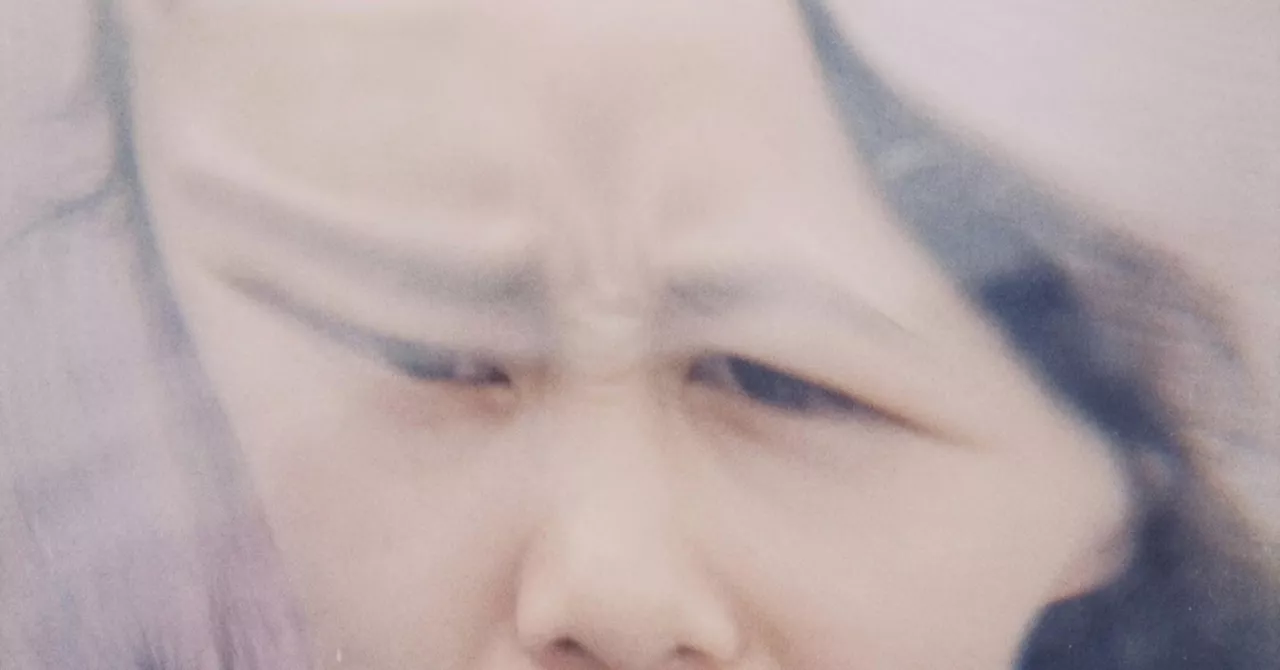
New research highlights how the spatial location of faces affects the Flashed Face Distortion Effect (FFDE), a visual illusion where faces in peripheral vision appear distorted. Conducted by researchers at Dartmouth University, the study reveals that the illusion significantly diminishes when the location of the faces changes.
The FFDE was first identified in 2011 by a team including Jason Tangen, Sean Murphy, and Matthew Thompson at the University of Queensland. While preparing face images for a separate study, they observed that faces flashed in quick succession—approximately four to five times per second—appeared highly distorted. This phenomenon won second place at the 2012 Best Illusion of the Year Contest and has intrigued researchers for over a decade.
In their recent study, Yong Hoon Chung and colleagues sought to determine if altering the spatial location of the flashed faces halfway through a presentation would influence the strength of the illusion. The researchers speculated that if the FFDE relies on low-level visual processing tied to retinal stimulation, then changing the face locations should reduce the perceived distortions.
Across three separate experiments, the team manipulated the positions of faces within the visual field. They tracked how participants reported their experience of the illusion. Each time the faces shifted from one side of the screen to the other or from the upper half to the lower half, the perceived distortions notably decreased. This reduction occurred regardless of whether participants used a joystick for continuous responses or pressed a button at the end of each trial.
These findings confirm that the FFDE is highly sensitive to the location of faces within the visual field. The results suggest that much of the illusion’s power can be attributed to basic retinal processes. This aligns with existing research on perceptual phenomena, which indicates that visual stimuli are often perceived more intensely when they match the location of an adapting stimulus.
Although more research is needed to fully comprehend the mechanisms behind the FFDE, this study has successfully identified a key factor influencing the illusion. It adds to the understanding that the FFDE, like other visual illusions, is significantly affected by the spatial arrangement of stimuli.
The implications of this research extend beyond academic curiosity. Understanding how spatial location impacts perception could have applications in areas such as visual communication and design, where the arrangement of visual elements plays a crucial role in how they are interpreted by viewers. As psychological research continues to unravel the complexities of human perception, studies like this one contribute valuable insights into how we interact with the visual world.


Revolutionary Photonic Ski-Jump Could Miniaturize LiDAR Systems

Couples Detox from Plastics in New Netflix Doc: Can It Boost Fertility?

Aventon Launches Affordable Full-Suspension Electric Mountain Bike

Discover Eight Must-Try Restaurants This Spring Season

UC Irvine Team Unveils Innovative Ion Pump for Water Treatment

One-Third of Americans Trim Daily Expenses for Healthcare Needs

Apple Secures First Oscar in Three Years with F1: The Movie

Fourth Graders Celebrate St. Patrick’s Day with Creative Weather Drawings

Kim Kardashian Dazzles at Vanity Fair Oscars Party 2026

Nostradamus’ 2026 Predictions: Star Death and Dark Events Loom

Breakthroughs and Challenges Await Science in 2026

Electric Moto Influencer Surronster Arrested in Tijuana

OpenAI to Implement Age Verification for ChatGPT by December 2025

Discover the Top 10 Calorie Counting Apps of 2025

Recovering a Suspended TikTok Account: A Step-by-Step Guide

Bella Hadid Shares Health Update After Treatment for Lyme Disease

Backpack Drives Equip Students with Supplies for New School Year

Analysts Project Stronger Growth for Apple’s iPhone 17 Lineup
-
 Science8 months ago
Nostradamus’ 2026 Predictions: Star Death and Dark Events Loom
-
 Science8 months ago
Breakthroughs and Challenges Await Science in 2026
-
 Technology11 months ago
Electric Moto Influencer Surronster Arrested in Tijuana
-
 Technology9 months ago
OpenAI to Implement Age Verification for ChatGPT by December 2025
-
 Technology1 year ago
Discover the Top 10 Calorie Counting Apps of 2025
-
 Technology1 year ago
Recovering a Suspended TikTok Account: A Step-by-Step Guide
-
 Health11 months ago
Bella Hadid Shares Health Update After Treatment for Lyme Disease
-
 Education1 year ago
Backpack Drives Equip Students with Supplies for New School Year
-
 Health11 months ago
Analysts Project Stronger Growth for Apple’s iPhone 17 Lineup
-

 Health12 months ago
Japanese Study Finds Rose Oil Can Increase Brain Gray Matter
-

 Technology8 months ago
Top 10 Penny Stocks to Watch in 2026 for Strong Returns
-

 Science10 months ago
Starship V3 Set for 2026 Launch After Successful Final Test of Version 2