
Top Stories
New Study Links Pain-Sensing Neurons to Allergies and Asthma


Recent research reveals that pain-sensing neurons in the gut play a crucial role in triggering inflammatory immune responses associated with allergies and asthma. This study, conducted by researchers at Weill Cornell Medicine, highlights a significant factor in these conditions that may have been overlooked in traditional treatment approaches.
The findings were published in the prestigious journal Nature and suggest that current medications targeting the immune system alone may not fully address the complexities of allergies and asthma. These conditions often arise from a combination of immune and neurological factors, indicating a more integrated approach to treatment may be necessary.
According to the research, pain-sensing neurons can initiate inflammation, which subsequently drives the development of allergic reactions and asthma symptoms. This connection emphasizes the need for a broader understanding of how the nervous system interacts with immune responses in these diseases.
Understanding the interaction between neurons and the immune system could lead to new therapeutic strategies. Current treatments primarily focus on mitigating immune responses without considering the role of the nervous system, potentially limiting their effectiveness. Researchers are now exploring how targeting these pain-sensing neurons could provide a more comprehensive treatment for individuals suffering from allergies and asthma.
The implications of this study extend beyond theoretical discussions. If future treatments can effectively address both neuronal and immune pathways, patients may experience more significant relief from their symptoms. This integrated approach could also reduce the dependency on current therapies, which often come with a range of side effects.
Further research is needed to fully grasp the mechanisms behind this interaction and to develop targeted therapies that could improve patient outcomes. As scientists delve deeper into the relationship between pain, immunity, and inflammation, the potential for innovative treatments grows.
In summary, the groundbreaking findings from Weill Cornell Medicine underscore an important shift in understanding the factors contributing to allergies and asthma. By recognizing the role of pain-sensing neurons, the medical community may soon be on the path to more effective, holistic treatments for these common and often debilitating conditions.
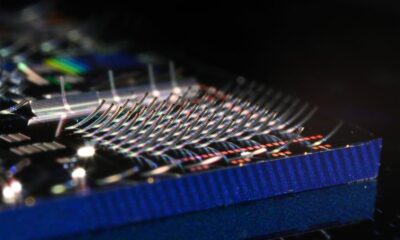








Revolutionary Photonic Ski-Jump Could Miniaturize LiDAR Systems

Couples Detox from Plastics in New Netflix Doc: Can It Boost Fertility?

Aventon Launches Affordable Full-Suspension Electric Mountain Bike

Discover Eight Must-Try Restaurants This Spring Season

UC Irvine Team Unveils Innovative Ion Pump for Water Treatment

One-Third of Americans Trim Daily Expenses for Healthcare Needs

Apple Secures First Oscar in Three Years with F1: The Movie

Fourth Graders Celebrate St. Patrick’s Day with Creative Weather Drawings

Kim Kardashian Dazzles at Vanity Fair Oscars Party 2026

Nostradamus’ 2026 Predictions: Star Death and Dark Events Loom

Breakthroughs and Challenges Await Science in 2026

Electric Moto Influencer Surronster Arrested in Tijuana

OpenAI to Implement Age Verification for ChatGPT by December 2025

Discover the Top 10 Calorie Counting Apps of 2025

Recovering a Suspended TikTok Account: A Step-by-Step Guide

Bella Hadid Shares Health Update After Treatment for Lyme Disease

Backpack Drives Equip Students with Supplies for New School Year

Analysts Project Stronger Growth for Apple’s iPhone 17 Lineup
-
 Science7 months ago
Nostradamus’ 2026 Predictions: Star Death and Dark Events Loom
-
 Science7 months ago
Breakthroughs and Challenges Await Science in 2026
-
 Technology10 months ago
Electric Moto Influencer Surronster Arrested in Tijuana
-
 Technology8 months ago
OpenAI to Implement Age Verification for ChatGPT by December 2025
-
 Technology1 year ago
Discover the Top 10 Calorie Counting Apps of 2025
-
 Technology1 year ago
Recovering a Suspended TikTok Account: A Step-by-Step Guide
-
 Health10 months ago
Bella Hadid Shares Health Update After Treatment for Lyme Disease
-
 Education12 months ago
Backpack Drives Equip Students with Supplies for New School Year
-
 Health11 months ago
Analysts Project Stronger Growth for Apple’s iPhone 17 Lineup
-

 Technology7 months ago
Top 10 Penny Stocks to Watch in 2026 for Strong Returns
-

 Health11 months ago
Japanese Study Finds Rose Oil Can Increase Brain Gray Matter
-

 Science9 months ago
Starship V3 Set for 2026 Launch After Successful Final Test of Version 2