
Top Stories
Health Groups Challenge RFK Jr.’s Vaccine Recommendations in Court

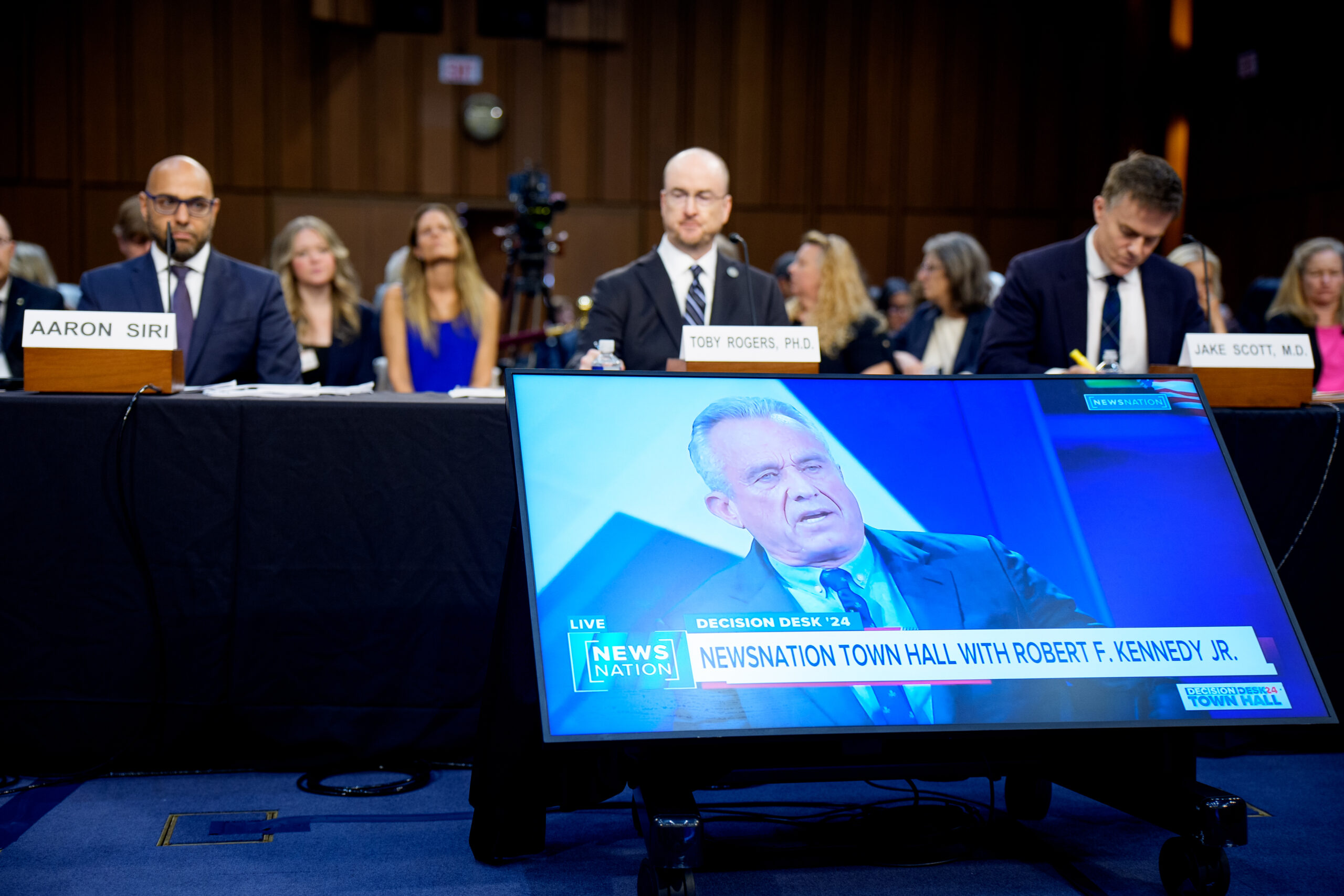
Public health organizations have initiated a lawsuit in the U.S. District Court aimed at blocking a new childhood vaccine schedule proposed by Robert F. Kennedy Jr. The lawsuit contends that the schedule poses significant health risks and seeks to invalidate three recent vaccine recommendations from the Centers for Disease Control and Prevention (CDC), attributing their formulation to Kennedy’s alleged improper influence.
The legal action highlights the contentious nature of vaccine discussions in the United States. Kennedy, a prominent figure in the anti-vaccine movement, has been criticized for his stance on vaccines, which many health experts argue undermines public health efforts. The lawsuit asserts that the CDC’s Vaccine Advisory Committee failed to adhere to established scientific guidelines, allowing Kennedy’s views to sway policy decisions.
According to the plaintiffs, the recommendations made by the CDC are not only inappropriate but also potentially dangerous for children. They argue that the implications of adopting such a schedule could lead to outbreaks of vaccine-preventable diseases, threatening not just individual children but public health as a whole.
The CDC, which has historically played a crucial role in shaping vaccination policies, has not yet publicly responded to the lawsuit. However, experts within the public health community are closely monitoring the case, stressing the importance of evidence-based recommendations in immunization practices.
Implications of the Lawsuit
The lawsuit raises broader questions about the influence of personal beliefs on public health policy. Proponents of vaccines contend that the scientific community overwhelmingly supports vaccination as a critical tool in preventing infectious diseases. The World Health Organization and numerous health agencies endorse vaccination programs, citing their effectiveness in reducing morbidity and mortality rates.
Kennedy’s advocacy for a re-evaluation of vaccine safety has garnered both support and criticism. While some parents express concerns about vaccine ingredients and potential side effects, many health professionals argue that the benefits far outweigh the risks. They emphasize that vaccines undergo rigorous testing and monitoring before being approved for public use.
Legal experts suggest the outcome of this case could have far-reaching effects on how vaccine recommendations are developed and implemented in the future. If the court sides with the public health organizations, it could reinforce existing protocols that prioritize scientific evidence over individual opinions in health policy formation.
Looking Ahead
As the legal proceedings unfold, the public health community remains vigilant. They are advocating for a future where vaccine policy is firmly rooted in scientific research, ensuring that public health considerations remain paramount. The lawsuit serves as a reminder of the ongoing debates surrounding vaccine safety and efficacy, reflecting the complexities of public trust in health authorities.
The importance of vaccines in preventing disease spread cannot be overstated. As the litigation progresses, the outcome may not only shape the future of vaccination policies but also influence the public’s perception of vaccines. This case underscores the vital need for clear communication and trust between health authorities and the public, especially in an era marked by misinformation and skepticism surrounding vaccinations.












Revolutionary Photonic Ski-Jump Could Miniaturize LiDAR Systems

Couples Detox from Plastics in New Netflix Doc: Can It Boost Fertility?

Aventon Launches Affordable Full-Suspension Electric Mountain Bike

Discover Eight Must-Try Restaurants This Spring Season

UC Irvine Team Unveils Innovative Ion Pump for Water Treatment

One-Third of Americans Trim Daily Expenses for Healthcare Needs

Apple Secures First Oscar in Three Years with F1: The Movie

Fourth Graders Celebrate St. Patrick’s Day with Creative Weather Drawings

Kim Kardashian Dazzles at Vanity Fair Oscars Party 2026

Nostradamus’ 2026 Predictions: Star Death and Dark Events Loom

Breakthroughs and Challenges Await Science in 2026

Electric Moto Influencer Surronster Arrested in Tijuana

OpenAI to Implement Age Verification for ChatGPT by December 2025

Discover the Top 10 Calorie Counting Apps of 2025

Bella Hadid Shares Health Update After Treatment for Lyme Disease

Analysts Project Stronger Growth for Apple’s iPhone 17 Lineup

Japanese Study Finds Rose Oil Can Increase Brain Gray Matter

Top 10 Penny Stocks to Watch in 2026 for Strong Returns
-
 Science4 months ago
Nostradamus’ 2026 Predictions: Star Death and Dark Events Loom
-
 Science4 months ago
Breakthroughs and Challenges Await Science in 2026
-
 Technology7 months ago
Electric Moto Influencer Surronster Arrested in Tijuana
-
 Technology4 months ago
OpenAI to Implement Age Verification for ChatGPT by December 2025
-
 Technology9 months ago
Discover the Top 10 Calorie Counting Apps of 2025
-
 Health7 months ago
Bella Hadid Shares Health Update After Treatment for Lyme Disease
-
 Health7 months ago
Analysts Project Stronger Growth for Apple’s iPhone 17 Lineup
-
 Health8 months ago
Japanese Study Finds Rose Oil Can Increase Brain Gray Matter
-
 Technology4 months ago
Top 10 Penny Stocks to Watch in 2026 for Strong Returns
-

 Science6 months ago
Starship V3 Set for 2026 Launch After Successful Final Test of Version 2
-

 Technology2 months ago
Nvidia GTC 2026: Major Announcements Expected for AI and Hardware
-

 Education7 months ago
Harvard Secures Court Victory Over Federal Funding Cuts