
Top Stories
Coffee Bans Throughout History: Punishments and Perils

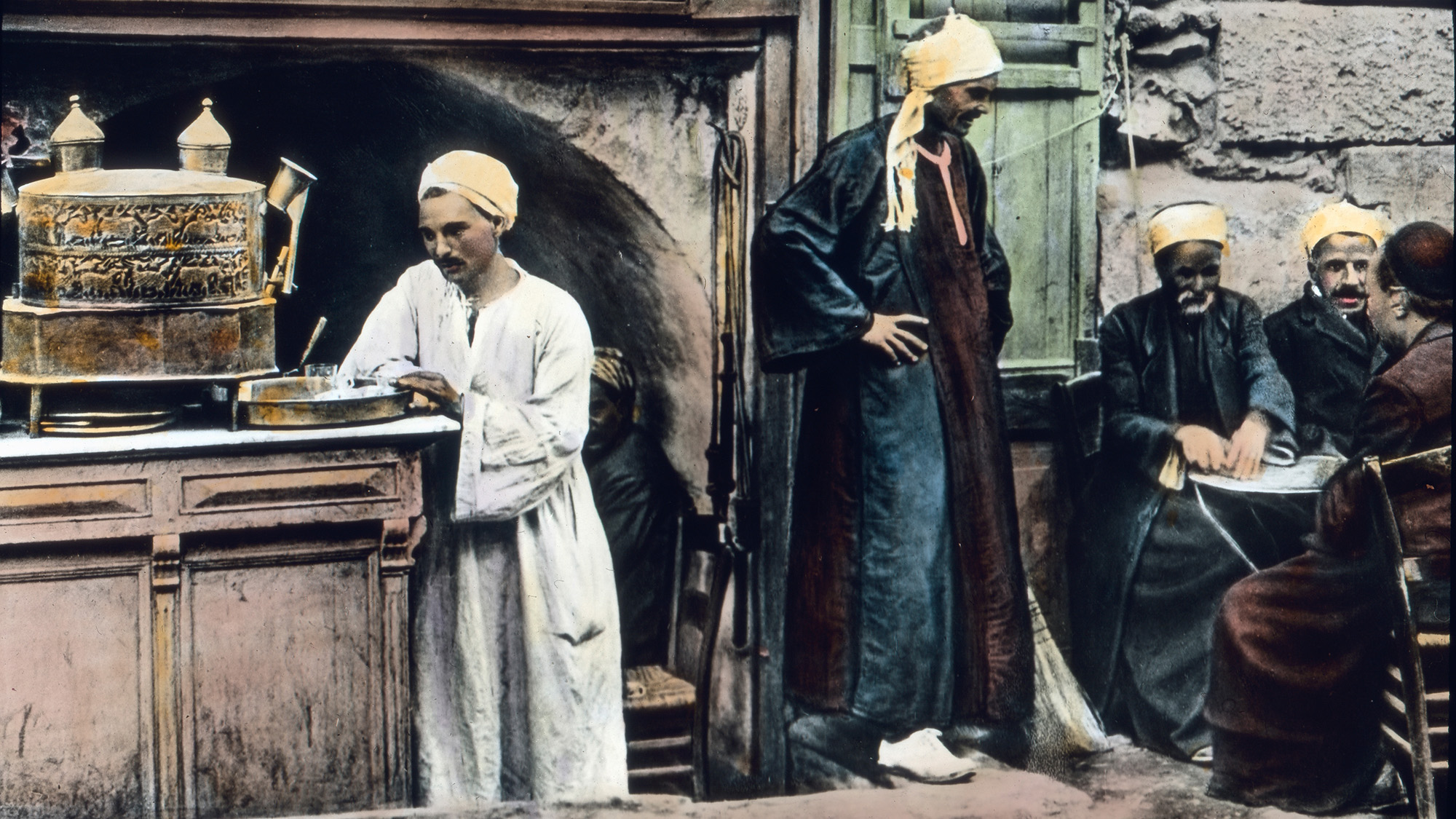
The history of coffee is rich and complex, marked by periods of both celebration and prohibition. Throughout the centuries, various authorities have attempted to ban coffee, often imposing severe punishments on those who defied these restrictions. From the 16th century to the 18th century, several regions enacted laws against coffee drinking, sometimes with deadly consequences.
The Early 16th Century Ban in Mecca
Coffee made its way to Mecca around the year 1500, quickly becoming a popular beverage among locals and pilgrims alike. However, its rising popularity raised alarms among some officials. In 1511, the Meccan official Kha’ir Beg convened a group of scholars to discuss the potential ban on coffee. He argued that coffee was harmful to health, intoxicated the mind, and promoted unruly gatherings.
Following Kha’ir Beg’s recommendations, authorities closed coffeehouses, burned coffee beans, and physically punished those caught drinking coffee. Despite these efforts, Kha’ir Beg’s actions were ultimately countered by Sultan Al-Ashraf Qansuh al-Ghuri, who issued a royal decree allowing private coffee consumption. This decision marked a brief return to coffee culture in Mecca, showcasing the beverage’s resilience against oppressive measures.
Sultan Murad IV’s Brutal Coffee Crackdown in Istanbul
More than a century later, the sentiment against coffee resurfaced in Istanbul under Sultan Murad IV. Fearing that coffeehouses were breeding grounds for rebellion, he imposed a strict ban on coffee drinking in public, coupled with the death penalty for violators. The paranoia stemmed from Murad IV’s own ascension to the throne, which had been fueled by unrest.
Murad IV’s reign was characterized by brutal enforcement of the ban. Reports suggest that he personally roamed the streets in disguise, executing those found drinking coffee. His extreme measures reflected a broader concern among leaders about the social dynamics fostered by such establishments.
Sweden’s Repeated Coffee Bans
In Europe, coffee faced scrutiny as well. King Gustav III of Sweden was notably suspicious of the beverage’s effects. Through the late 18th century, Sweden enacted five bans on coffee imports, specifically in 1756, 1766, 1794, 1799, and 1817. The primary motivation was economic, as authorities sought to control the trade deficit created by coffee imports from other European colonies.
In an unusual move, Gustav III even conducted a medical trial involving twin convicts to assess coffee’s dangers. Though this story is debated among historians, it illustrates the lengths to which the Swedish authorities went to investigate and regulate coffee consumption. Enforcement of the ban was strict, with police arresting and fining individuals found drinking or selling coffee.
Prussia’s Secretive Coffee Enforcement
In the late 18th century, Frederick the Great of Prussia also expressed disdain for coffee, calling it “disgusting” and criticizing the increasing consumption among his subjects. He viewed coffee as a luxury of the elite and sought to restrict its availability. In 1781, he established a royal monopoly over coffee, making it illegal for citizens to import or roast their own beans.
To enforce this ban, a secret police force known as the “Kaffeeschnüffler” was created. Comprised of war veterans, these officers patrolled the streets to detect the aroma of illicit coffee. Those caught faced hefty fines, with a portion of the revenue rewarding the coffee sniffers themselves. Frederick’s efforts reflect a broader trend among authorities who sought to regulate not only the economy but also social behavior associated with coffee consumption.
The history of coffee is a testament to its cultural significance, revealing how deeply it has been intertwined with social and political dynamics. Despite numerous attempts to ban the beverage, coffee has consistently returned to public life, often symbolizing freedom, community, and resilience. Today, coffee is widely accepted and enjoyed globally, with little fear of persecution—a stark contrast to the experiences of past drinkers.


Revolutionary Photonic Ski-Jump Could Miniaturize LiDAR Systems

Couples Detox from Plastics in New Netflix Doc: Can It Boost Fertility?

Aventon Launches Affordable Full-Suspension Electric Mountain Bike

Discover Eight Must-Try Restaurants This Spring Season

UC Irvine Team Unveils Innovative Ion Pump for Water Treatment

One-Third of Americans Trim Daily Expenses for Healthcare Needs

Apple Secures First Oscar in Three Years with F1: The Movie

Fourth Graders Celebrate St. Patrick’s Day with Creative Weather Drawings

Kim Kardashian Dazzles at Vanity Fair Oscars Party 2026

Nostradamus’ 2026 Predictions: Star Death and Dark Events Loom

Breakthroughs and Challenges Await Science in 2026

Electric Moto Influencer Surronster Arrested in Tijuana

OpenAI to Implement Age Verification for ChatGPT by December 2025

Discover the Top 10 Calorie Counting Apps of 2025

Recovering a Suspended TikTok Account: A Step-by-Step Guide

Bella Hadid Shares Health Update After Treatment for Lyme Disease

Backpack Drives Equip Students with Supplies for New School Year

Analysts Project Stronger Growth for Apple’s iPhone 17 Lineup
-
 Science8 months ago
Nostradamus’ 2026 Predictions: Star Death and Dark Events Loom
-
 Science8 months ago
Breakthroughs and Challenges Await Science in 2026
-
 Technology11 months ago
Electric Moto Influencer Surronster Arrested in Tijuana
-
 Technology9 months ago
OpenAI to Implement Age Verification for ChatGPT by December 2025
-
 Technology1 year ago
Discover the Top 10 Calorie Counting Apps of 2025
-
 Technology1 year ago
Recovering a Suspended TikTok Account: A Step-by-Step Guide
-
 Health11 months ago
Bella Hadid Shares Health Update After Treatment for Lyme Disease
-
 Education1 year ago
Backpack Drives Equip Students with Supplies for New School Year
-
 Health12 months ago
Analysts Project Stronger Growth for Apple’s iPhone 17 Lineup
-

 Health12 months ago
Japanese Study Finds Rose Oil Can Increase Brain Gray Matter
-

 Technology8 months ago
Top 10 Penny Stocks to Watch in 2026 for Strong Returns
-

 Science10 months ago
Starship V3 Set for 2026 Launch After Successful Final Test of Version 2