
Top Stories
Biofilms: Key to Early Life and Future Space Exploration

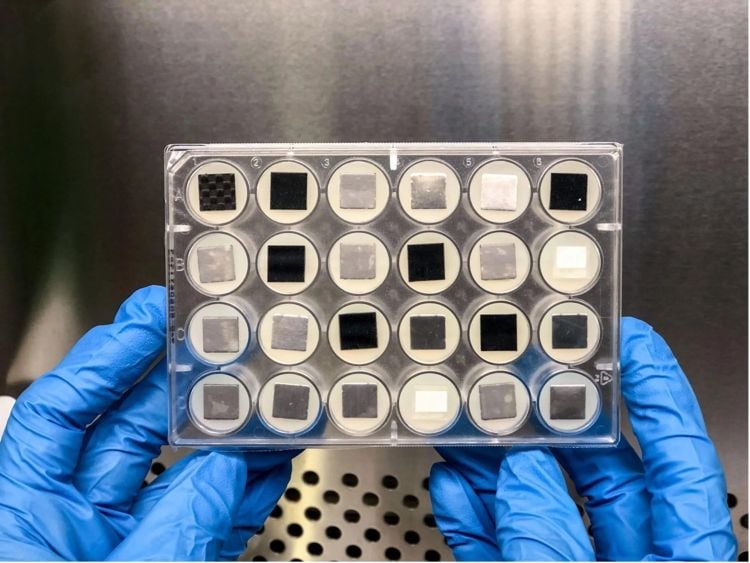
A recent study published in *npj Biofilms and Microbiomes* explores the potential of biofilms—communities of microorganisms—to inform future space exploration. This international research initiative investigates how biofilms, which may have played a crucial role in the emergence of early life on Earth, can be utilized to support astronauts during long-duration missions.
The researchers began by examining the complex history and characteristics of biofilms. They assessed how these microbial communities contributed to early life forms, human health, and agricultural practices. Specifically, the study highlights the dual nature of biofilms in space: while they may pose risks to astronaut health and spacecraft integrity, they also offer innovative applications that could benefit future missions.
In the context of spaceflight, biofilms are significantly affected by microgravity conditions. The study details how space travel disrupts the structure and function of biofilms, which can influence interactions between gut microbiomes and biofilms, as well as the rhizosphere—an area where plant roots, soil, and microbes converge. By utilizing data from the NASA Open Science Data Repository (OSDR), the researchers propose that biofilms could be engineered for a variety of applications, including regenerative medicine and sustainable agriculture.
“Biofilms have supported life since primordial Earth,” the study concludes. “Embedded in multicellular life, biofilms should be understood not only as risk agents to be eliminated but also as complex and adaptive biological tools to be harnessed.” The findings suggest that biofilm research based on Open Science principles may lead to groundbreaking technologies that can facilitate deep-space exploration while also producing tangible benefits on Earth.
This study is part of a broader research effort spanning over two decades that examines the implications of biofilms in space. Recent investigations, including papers published in 2025 in both *Science of Biofilms* and the *Journal of Microbiology*, have simulated microgravity conditions to analyze biofilm growth and potential risks. A significant focus of NASA’s research has been understanding how biofilms adhere to surfaces in microgravity, potentially leading to equipment failures and health hazards for astronauts.
Biofilms present unique challenges during space missions. The closed-loop environment can lead to clogging of water systems and corrosion of essential components, including air filtration systems that provide clean oxygen and remove carbon dioxide. The potential for biofilms to develop resistance to antimicrobials is also a pressing concern for astronaut health.
The most comprehensive research on biofilms in microgravity is the Characterization of Biofilm Formation, Growth, and Gene Expression on Different Materials and Environmental Conditions in Microgravity project, conducted aboard the International Space Station (ISS). Through this initiative, astronauts study the intricate processes governing biofilm development in a microgravity environment. The insights gained from this research may not only enhance space missions but also inform public health strategies on Earth.
Biofilm research exemplifies the multifaceted nature of scientific inquiry that supports human space exploration, whether on the ISS, the Moon, or Mars. While biofilms present challenges, their potential applications could significantly enhance the sustainability of human life in space.
As the scientific community continues to delve into the complexities of biofilms, their role in future space missions remains a topic of great interest. The ongoing exploration of biofilms will undoubtedly contribute to our understanding of life on Earth and beyond, shaping the future of human exploration in the cosmos.






Revolutionary Photonic Ski-Jump Could Miniaturize LiDAR Systems

Couples Detox from Plastics in New Netflix Doc: Can It Boost Fertility?

Aventon Launches Affordable Full-Suspension Electric Mountain Bike

Discover Eight Must-Try Restaurants This Spring Season

UC Irvine Team Unveils Innovative Ion Pump for Water Treatment

One-Third of Americans Trim Daily Expenses for Healthcare Needs

Apple Secures First Oscar in Three Years with F1: The Movie

Fourth Graders Celebrate St. Patrick’s Day with Creative Weather Drawings

Kim Kardashian Dazzles at Vanity Fair Oscars Party 2026

Nostradamus’ 2026 Predictions: Star Death and Dark Events Loom

Breakthroughs and Challenges Await Science in 2026

Electric Moto Influencer Surronster Arrested in Tijuana

OpenAI to Implement Age Verification for ChatGPT by December 2025

Discover the Top 10 Calorie Counting Apps of 2025

Recovering a Suspended TikTok Account: A Step-by-Step Guide

Bella Hadid Shares Health Update After Treatment for Lyme Disease

Backpack Drives Equip Students with Supplies for New School Year

Analysts Project Stronger Growth for Apple’s iPhone 17 Lineup
-
 Science8 months ago
Nostradamus’ 2026 Predictions: Star Death and Dark Events Loom
-
 Science8 months ago
Breakthroughs and Challenges Await Science in 2026
-
 Technology11 months ago
Electric Moto Influencer Surronster Arrested in Tijuana
-
 Technology9 months ago
OpenAI to Implement Age Verification for ChatGPT by December 2025
-
 Technology1 year ago
Discover the Top 10 Calorie Counting Apps of 2025
-
 Technology1 year ago
Recovering a Suspended TikTok Account: A Step-by-Step Guide
-
 Health11 months ago
Bella Hadid Shares Health Update After Treatment for Lyme Disease
-
 Education1 year ago
Backpack Drives Equip Students with Supplies for New School Year
-
 Health12 months ago
Analysts Project Stronger Growth for Apple’s iPhone 17 Lineup
-

 Health12 months ago
Japanese Study Finds Rose Oil Can Increase Brain Gray Matter
-

 Technology8 months ago
Top 10 Penny Stocks to Watch in 2026 for Strong Returns
-

 Science10 months ago
Starship V3 Set for 2026 Launch After Successful Final Test of Version 2