
Technology
Vivo Innovates by Combining Phone Cooling Fans with Antennas

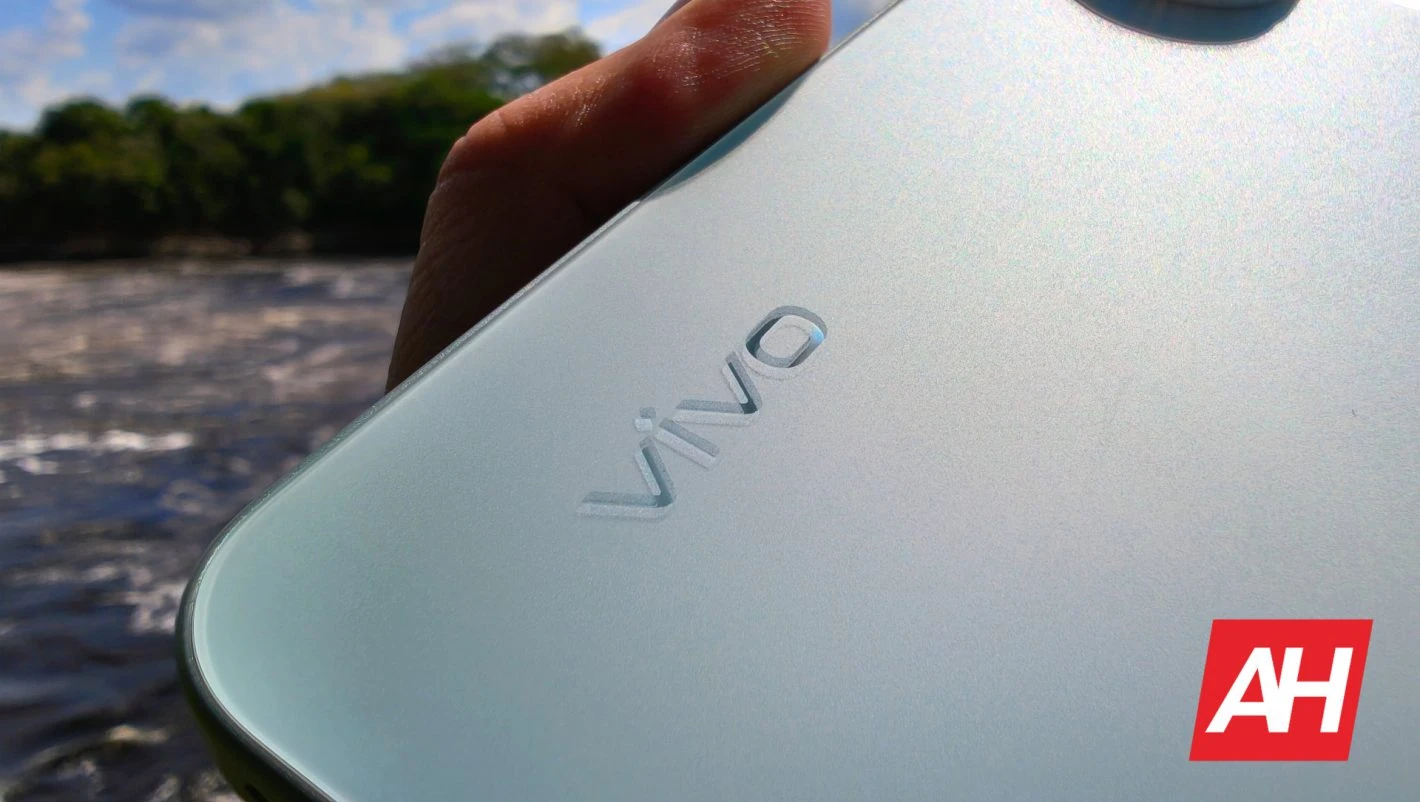
Vivo has unveiled a groundbreaking patent that merges smartphone cooling fans with antenna technology, offering a potential solution to two key challenges faced by mobile devices: maintaining a strong signal and managing heat. This innovative design could revolutionize how smartphones handle connectivity and thermal management.
Revolutionizing Connectivity
Traditionally, smartphone antennas are fixed metal strips located on the device’s frame. While this design is effective, it is susceptible to “hand blockage,” where a user’s grip can interfere with signal reception. Vivo’s new patent suggests a novel approach by integrating antennas directly into the blades of an internal cooling fan. According to technical filings identified by Xpertpick, this configuration allows the fan’s mechanical rotation to enhance signal reception.
The concept positions the fan-mounted antennas to align better with cellular towers or Wi-Fi routers, particularly benefiting users who frequently move between different signal zones, such as commuters or travelers. This rotating design could significantly improve connectivity in environments where signal handovers are common.
Innovative Engineering Solutions
A critical aspect of this design is its ability to maintain a connection between the rotating blades and the phone’s motherboard without the complication of physical wiring. The patent outlines a “capacitive coupling” system, where signals can jump across a small air gap between metal surfaces. This eliminates the need for wires that could wear out due to constant motion.
Moreover, the design accommodates multiple types of antennas, including those for 5G, GPS, Wi-Fi, and even satellite communication. This versatility could facilitate complex networking scenarios, such as managing connections for drones or multiple devices simultaneously.
The potential benefits of this innovation are twofold. First, it optimizes internal space within the device, allowing for larger batteries or enhanced camera sensors by repurposing a necessary mechanical component into a multifunctional communication tool. Second, it effectively manages heat generation. As smartphones process data rapidly—especially during gaming or intensive applications—this system not only cools the processor but also seeks the best available signal.
While many patents do not make it to the production stage, the timing of this concept is noteworthy. With a rise in “Pro” and gaming smartphones expected to incorporate active cooling systems by March 2026, the idea of a “smart fan” appears increasingly plausible.
In summary, Vivo’s innovative patent provides a glimpse into the future of smartphone technology. It reflects a growing trend where traditional components are reimagined to enhance functionality and performance. If realized, this development could change how users perceive cooling fans, transforming them from mere air movers into essential tools for superior reception and connectivity.







Father and Son Celebrate Christmas Together After Health Challenges

Last-Minute Shoppers Flock to Shops at La Cantera Before Christmas

NSCEB Warns of China’s Growing Threat in Biotechnology Sector

Frankie Grande Updates Fans After Successful Cervical Spine Surgery

New AI Enhancements Revolutionize Military Drone Operations

One Piece’s Elbaph Arc Reveals Intriguing Endgame Theories

Mariah Carey Dazzles in Gucci Stiletto Boots While in Aspen

Emotional Balance Drives Our Choices to Seek or Avoid Truth

Texas Traveler Potentially Exposes Massachusetts to Measles Virus

Discover the Top 10 Calorie Counting Apps of 2025

OpenAI to Implement Age Verification for ChatGPT by December 2025

Bella Hadid Shares Health Update After Treatment for Lyme Disease

Analysts Project Stronger Growth for Apple’s iPhone 17 Lineup

Erin Bates Shares Recovery Update Following Sepsis Complications

Discover How to Reverse Image Search Using ChatGPT Effortlessly

Electric Moto Influencer Surronster Arrested in Tijuana

Meta Initiates $60B AI Data Center Expansion, Starting in Ohio

Discover 2025’s Top GPUs for Exceptional 4K Gaming Performance
-
 Technology5 months ago
Discover the Top 10 Calorie Counting Apps of 2025
-
 Technology3 weeks ago
OpenAI to Implement Age Verification for ChatGPT by December 2025
-
 Health3 months ago
Bella Hadid Shares Health Update After Treatment for Lyme Disease
-
 Health4 months ago
Analysts Project Stronger Growth for Apple’s iPhone 17 Lineup
-
 Health4 months ago
Erin Bates Shares Recovery Update Following Sepsis Complications
-
 Technology5 months ago
Discover How to Reverse Image Search Using ChatGPT Effortlessly
-
 Technology3 months ago
Electric Moto Influencer Surronster Arrested in Tijuana
-
 Technology5 months ago
Meta Initiates $60B AI Data Center Expansion, Starting in Ohio
-
 Technology2 months ago
Discover 2025’s Top GPUs for Exceptional 4K Gaming Performance
-

 Technology5 months ago
Recovering a Suspended TikTok Account: A Step-by-Step Guide
-

 Health5 months ago
Tested: Rab Firewall Mountain Jacket Survives Harsh Conditions
-

 Lifestyle5 months ago
Belton Family Reunites After Daughter Survives Hill Country Floods