
Technology
U.S. Chip Restrictions Propel China’s Tech Surge Amid Investor Shift

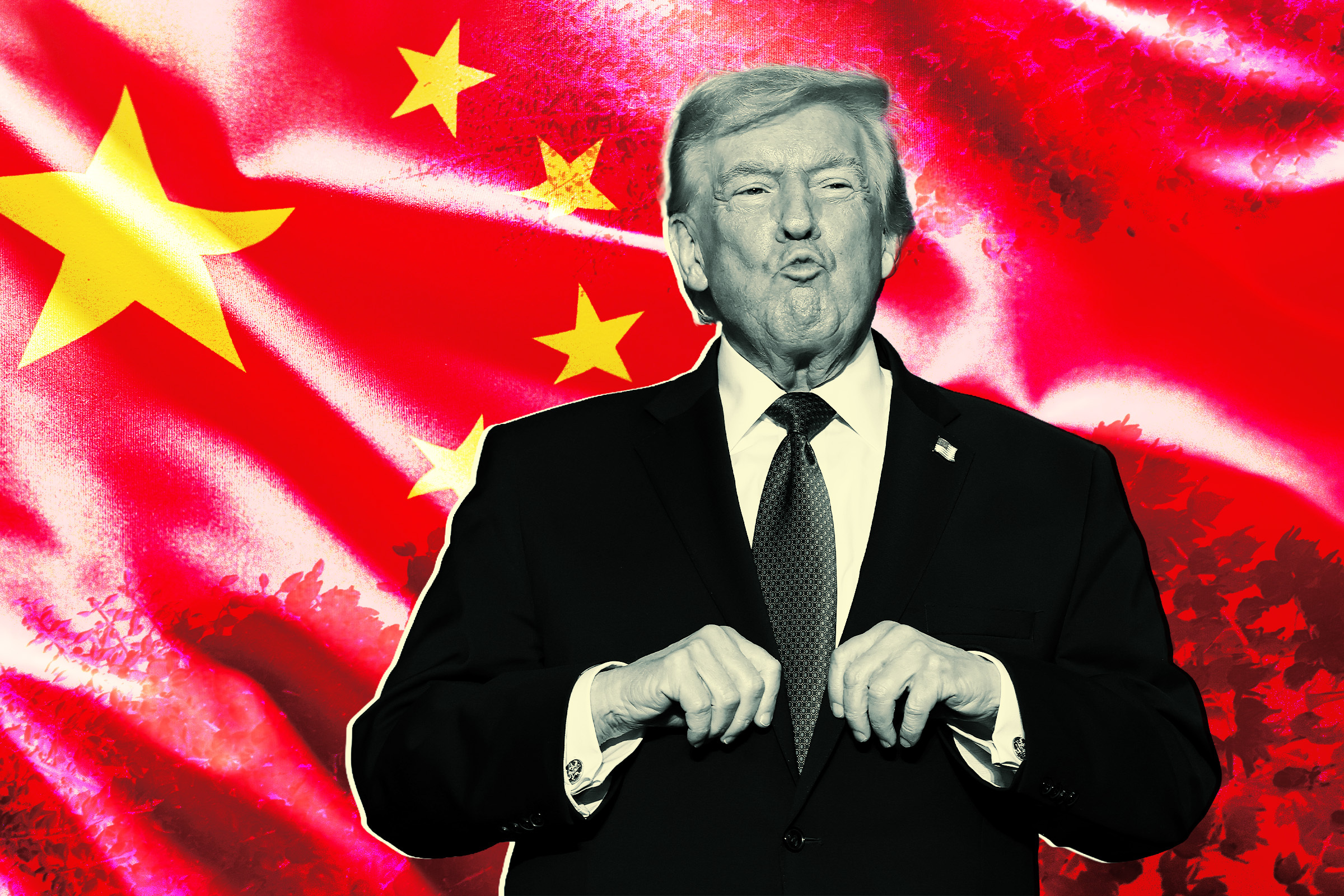
The recent U.S. restrictions on advanced AI chips have not only failed to hinder China’s technological progress but have inadvertently catalyzed the rise of a more independent Chinese tech sector. This shift has prompted a notable pivot in investor sentiment, with significant capital flowing into Chinese technology companies as concerns over the sustainability of the U.S. AI bubble grow.
According to a report by Reuters, international investors are increasingly shifting their focus toward Chinese tech firms amid apprehensions about the burgeoning AI market in the United States. Although large language models (LLMs) developed by Chinese companies still trail behind those from U.S. firms, this does not deter investors who are viewing the situation as an opportunity rather than a fallback plan.
A recent assessment from UBS Global Wealth Management labeled Chinese tech as the “most attractive” investment option available, the highest distinction in their global asset evaluations. This appeal is driven by China’s governmental push for technological self-sufficiency, which complements the concerns surrounding the inflated valuations of American AI stocks. The UBS report noted, “China’s tech sector ramped up innovation in 2025, with notable advances across the AI value chain.”
Investors are increasingly drawn to China due to its “strong policy backing, technological self-reliance, and rapid AI-monetization.” The report highlights that new AI models emerging from China are demonstrating significant technological leadership, bolstered by supportive government policies that enhance the resilience of its tech ecosystem.
Investment Trends Shift Toward Chinese Technology
Notably, institutional investment firms, such as Ruffer from the United Kingdom, are intensifying their investments in prominent Chinese technology giants, including Alibaba. This strategy represents a deliberate shift towards a more balanced exposure, moving away from the traditionally dominant U.S. tech firms. Gemma Cairns-Smith, an investment specialist at Ruffer, remarked, “While the U.S. remains the leader in frontier AI, China is rapidly narrowing the gap. The moat may not be as wide, or as deep, as many think… The competitive landscape is shifting.”
This change in investment strategy comes after years of stringent U.S. trade policies aimed at curbing China’s technological advancement, initiated by both Donald Trump and Joe Biden. Trump’s administration intensified these efforts, particularly during his second term, attempting to restrict Chinese access to advanced AI chips manufactured by Nvidia, the leading producer of such technology.
In April 2025, Trump implemented new trade restrictions that specifically targeted the sale of certain Nvidia AI chips to China, including the significant H20 chip. This restriction followed Nvidia’s prior decision to limit the capabilities of its chips for the Chinese market in response to U.S. government pressure. In retaliation, Chinese lawmakers banned the import of Nvidia chips by major tech firms, significantly enhancing the competitive position of domestic chip manufacturers.
In an effort to regain lost ground in the technological race, Trump reversed the decision on the H20 chips in December 2025. However, the potential impact of this late maneuver may not suffice to draw investors back to Silicon Valley, as confidence in U.S. technology firms continues to wane.
This evolving landscape underscores a significant transformation in global investment dynamics and raises questions about the future competitiveness of U.S. tech firms. As the rivalry between the two nations intensifies, the geopolitical implications of these developments warrant close attention.
In summary, while the U.S. aimed to restrict China’s access to advanced technology, the unintended consequence has been a surge in self-reliance and innovation within the Chinese tech sector. As investors reassess their positions, the balance of power in the AI space is increasingly shifting.












Revolutionary Photonic Ski-Jump Could Miniaturize LiDAR Systems

Couples Detox from Plastics in New Netflix Doc: Can It Boost Fertility?

Aventon Launches Affordable Full-Suspension Electric Mountain Bike

Discover Eight Must-Try Restaurants This Spring Season

UC Irvine Team Unveils Innovative Ion Pump for Water Treatment

One-Third of Americans Trim Daily Expenses for Healthcare Needs

Apple Secures First Oscar in Three Years with F1: The Movie

Fourth Graders Celebrate St. Patrick’s Day with Creative Weather Drawings

Kim Kardashian Dazzles at Vanity Fair Oscars Party 2026

Nostradamus’ 2026 Predictions: Star Death and Dark Events Loom

Breakthroughs and Challenges Await Science in 2026

Electric Moto Influencer Surronster Arrested in Tijuana

OpenAI to Implement Age Verification for ChatGPT by December 2025

Discover the Top 10 Calorie Counting Apps of 2025

Recovering a Suspended TikTok Account: A Step-by-Step Guide

Bella Hadid Shares Health Update After Treatment for Lyme Disease

Backpack Drives Equip Students with Supplies for New School Year

Analysts Project Stronger Growth for Apple’s iPhone 17 Lineup
-
 Science7 months ago
Nostradamus’ 2026 Predictions: Star Death and Dark Events Loom
-
 Science7 months ago
Breakthroughs and Challenges Await Science in 2026
-
 Technology11 months ago
Electric Moto Influencer Surronster Arrested in Tijuana
-
 Technology8 months ago
OpenAI to Implement Age Verification for ChatGPT by December 2025
-
 Technology1 year ago
Discover the Top 10 Calorie Counting Apps of 2025
-
 Technology1 year ago
Recovering a Suspended TikTok Account: A Step-by-Step Guide
-
 Health11 months ago
Bella Hadid Shares Health Update After Treatment for Lyme Disease
-
 Education1 year ago
Backpack Drives Equip Students with Supplies for New School Year
-
 Health11 months ago
Analysts Project Stronger Growth for Apple’s iPhone 17 Lineup
-

 Technology8 months ago
Top 10 Penny Stocks to Watch in 2026 for Strong Returns
-

 Health11 months ago
Japanese Study Finds Rose Oil Can Increase Brain Gray Matter
-

 Science10 months ago
Starship V3 Set for 2026 Launch After Successful Final Test of Version 2