
Technology
TCL Surpasses Samsung in 2025 TV Shipments Ahead of Sony Merger

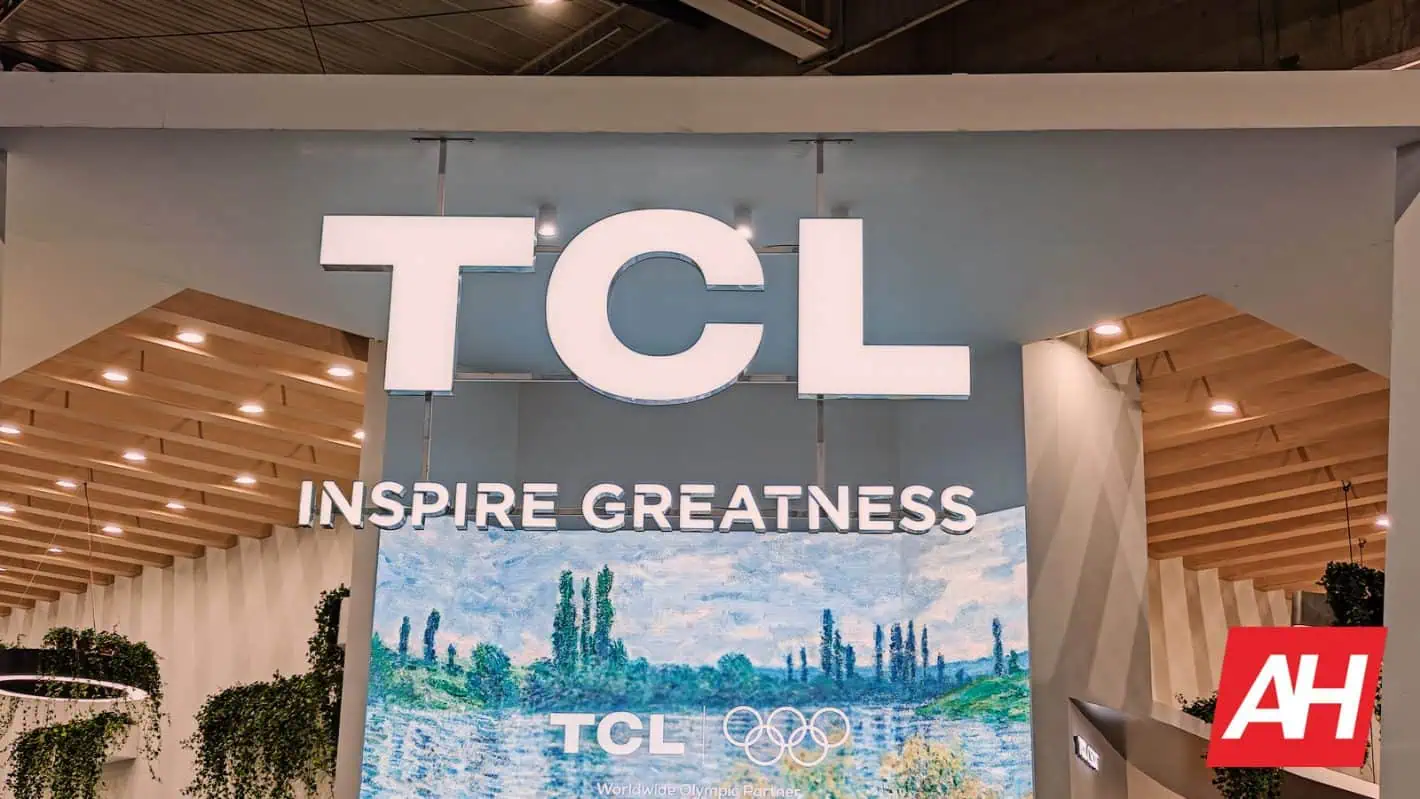
TCL has outpaced Samsung in global TV shipments for the year 2025, marking a significant shift in the television market landscape. According to a report from Counterpoint Research, TCL achieved a market share of 16%, while Samsung’s share declined to 13%. This change is particularly notable given Samsung’s strong presence in the premium TV segment, characterized by its 8K and OLED offerings.
The data reveals a challenging holiday quarter for Samsung, which experienced a sharp drop in shipments beginning in October 2025. In contrast, TCL’s aggressive pricing strategy for both lower-end and mid-range televisions contributed to its significant growth. The company offered appealing deals on high-end models such as the TCL QM8K and QM9K, alongside the launch of the TCL T7 series. The latter, priced around $500 for a 55-inch model, saw rapid discounts that attracted consumers.
TCL’s strategy has proven effective, allowing it to maintain upward momentum even as the overall TV market contracted. In 2025, the total number of TVs shipped globally fell by 18% compared to 2024. Despite this trend, TCL’s focus on affordable options helped it capture a larger share, while Samsung’s decline indicates potential challenges ahead.
Market Dynamics and Competitor Performance
The competitive landscape also highlights the struggles of other brands. Hisense, the only top five TV manufacturer to see a decrease in shipments, lost 3% of its market share, dropping to 12%. Hisense’s year-over-year shipment decline was approximately 23%. Despite these setbacks, the brand remains the top player in the Chinese market.
In contrast, LG experienced minimal growth, increasing its share to 8%, while Walmart entered the scene with a notable jump to 5%. This rise is attributed to the success of its onn. TV brand, though it should be noted that Walmart also owns Vizio, which is not included in these shipment figures.
Future Implications with the Sony Partnership
Looking ahead, TCL’s potential merger with Sony looms large over the market. The companies have announced plans for TCL to acquire a 51% stake in Sony’s TV brand, BRAVIA. This deal, expected to be finalized by March 2026, may encounter regulatory challenges. Should this merger proceed, TCL could enhance its foothold in the premium television segment.
According to Bob O’Brien, Research Director at Counterpoint, “If TCL were to gradually strengthen its presence in the premium segment through its alliance with Sony, it could pose a greater competitive threat to Samsung going forward.” As of now, TCL primarily dominates the low-end and mid-range markets, as well as the ultra-large screen category, while Samsung leads in premium offerings.
The anticipated collaboration between TCL and Sony could pivot the competitive dynamics in the TV industry, especially if TCL leverages Sony’s reputation in the premium market. Samsung, currently the leader in high-end televisions, may need to reassess its strategies to maintain its market position in light of TCL’s aggressive growth and potential expansion into the premium segment.
As the television market continues to evolve, manufacturers will need to adapt swiftly to shifting consumer preferences and competitive pressures.












Revolutionary Photonic Ski-Jump Could Miniaturize LiDAR Systems

Couples Detox from Plastics in New Netflix Doc: Can It Boost Fertility?

Aventon Launches Affordable Full-Suspension Electric Mountain Bike

Discover Eight Must-Try Restaurants This Spring Season

UC Irvine Team Unveils Innovative Ion Pump for Water Treatment

One-Third of Americans Trim Daily Expenses for Healthcare Needs

Apple Secures First Oscar in Three Years with F1: The Movie

Fourth Graders Celebrate St. Patrick’s Day with Creative Weather Drawings

Kim Kardashian Dazzles at Vanity Fair Oscars Party 2026

Nostradamus’ 2026 Predictions: Star Death and Dark Events Loom

Breakthroughs and Challenges Await Science in 2026

Electric Moto Influencer Surronster Arrested in Tijuana

OpenAI to Implement Age Verification for ChatGPT by December 2025

Discover the Top 10 Calorie Counting Apps of 2025

Bella Hadid Shares Health Update After Treatment for Lyme Disease

Analysts Project Stronger Growth for Apple’s iPhone 17 Lineup

Japanese Study Finds Rose Oil Can Increase Brain Gray Matter

Top 10 Penny Stocks to Watch in 2026 for Strong Returns
-
 Science3 months ago
Nostradamus’ 2026 Predictions: Star Death and Dark Events Loom
-
 Science4 months ago
Breakthroughs and Challenges Await Science in 2026
-
 Technology7 months ago
Electric Moto Influencer Surronster Arrested in Tijuana
-
 Technology4 months ago
OpenAI to Implement Age Verification for ChatGPT by December 2025
-
 Technology9 months ago
Discover the Top 10 Calorie Counting Apps of 2025
-
 Health7 months ago
Bella Hadid Shares Health Update After Treatment for Lyme Disease
-
 Health7 months ago
Analysts Project Stronger Growth for Apple’s iPhone 17 Lineup
-
 Health7 months ago
Japanese Study Finds Rose Oil Can Increase Brain Gray Matter
-
 Technology4 months ago
Top 10 Penny Stocks to Watch in 2026 for Strong Returns
-

 Science6 months ago
Starship V3 Set for 2026 Launch After Successful Final Test of Version 2
-

 Technology1 month ago
Nvidia GTC 2026: Major Announcements Expected for AI and Hardware
-

 Education7 months ago
Harvard Secures Court Victory Over Federal Funding Cuts