
Technology
Rivian Faces Sales Decline as EV Tax Credits Expire

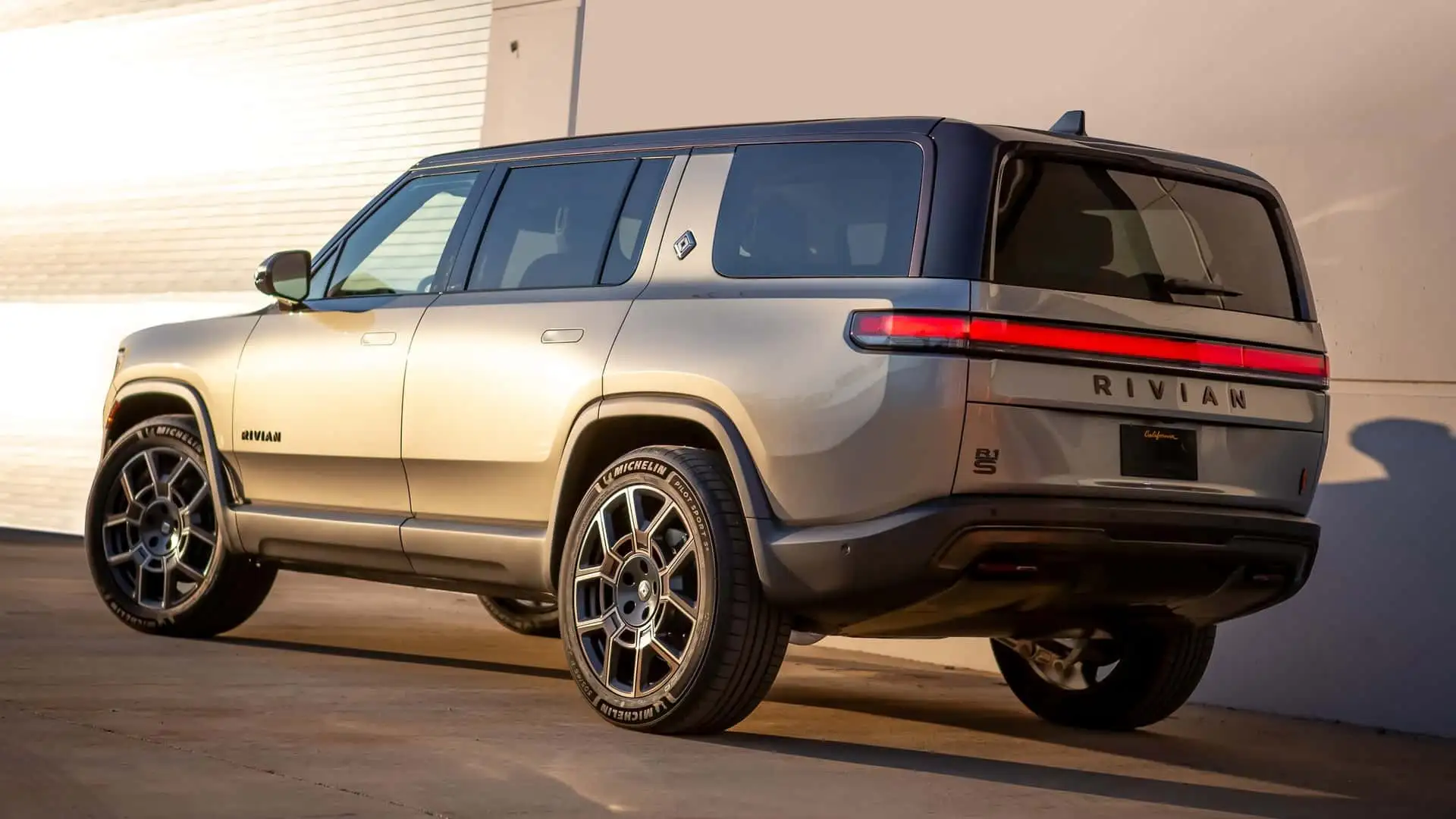
Rivian’s vehicle deliveries fell sharply in 2025, confirming expectations as the expiration of electric vehicle tax credits in the United States marred sales. The startup automaker reported delivering 42,247 vehicles this year, an 18% decrease from the 51,579 units sold in 2024. The most significant drop occurred in the fourth quarter, where Rivian sold just 9,745 units, down from 13,201 in the previous quarter.
The decline is attributed to the end of the federal $7,500 EV tax credit, which incentivized many buyers to purchase Rivian’s R1S and R1T models before the deadline in late September. Unlike many competitors, Rivian currently operates solely in the U.S. and Canada, making it particularly vulnerable to changes in local tax policies. The company had anticipated a decrease in sales due to this shift, as did other manufacturers, including Tesla, which experienced a 9% drop in sales for the same year.
Future Prospects with the R2 Model
Looking ahead, Rivian aims to rebound with the introduction of the more affordable R2 model, expected to launch in 2026. This downsized SUV will be built on a new platform, allowing for a lower starting price estimated at around $45,000. In contrast, the R1 models typically retail for $80,000 to $100,000 or more. Rivian’s CEO RJ Scaringe emphasized the need for the R2 to attract buyers beyond tax incentives, suggesting that it should be a compelling option for consumers seeking electric vehicles under $50,000.
Scaringe expressed optimism about the potential long-term benefits of the end of the tax credits, suggesting it could reduce competition in the EV market. He stated, “Narrowly and myopically through the lens of Rivian, it actually creates less competition,” during an interview in November.
Partnerships and Technological Advancements
In addition to the R2’s anticipated launch, Rivian is pursuing strategic partnerships to bolster its technological capabilities. The company has entered a $6 billion joint venture with Volkswagen, gaining access to the automotive giant’s future electrical architecture and software plans. This collaboration could enhance Rivian’s position in the competitive EV landscape.
Moreover, Rivian is enhancing its autonomous driving technology. The company announced that a future variant of the R2 will incorporate lidar technology for self-driving capabilities. Additionally, Rivian is developing its own computer chips, positioning itself as a competitor to established technology firms like Nvidia.
Deliveries of the R2 are expected to commence in the first half of 2026. Until then, Rivian’s R1S and R1T models will continue to serve as the company’s primary offerings. As Rivian navigates these challenges, the automotive industry will be watching closely to see if its strategies can lead to a successful recovery in the evolving electric vehicle market.












Revolutionary Photonic Ski-Jump Could Miniaturize LiDAR Systems

Couples Detox from Plastics in New Netflix Doc: Can It Boost Fertility?

Aventon Launches Affordable Full-Suspension Electric Mountain Bike

Discover Eight Must-Try Restaurants This Spring Season

UC Irvine Team Unveils Innovative Ion Pump for Water Treatment

One-Third of Americans Trim Daily Expenses for Healthcare Needs

Apple Secures First Oscar in Three Years with F1: The Movie

Fourth Graders Celebrate St. Patrick’s Day with Creative Weather Drawings

Kim Kardashian Dazzles at Vanity Fair Oscars Party 2026

Nostradamus’ 2026 Predictions: Star Death and Dark Events Loom

Breakthroughs and Challenges Await Science in 2026

Electric Moto Influencer Surronster Arrested in Tijuana

OpenAI to Implement Age Verification for ChatGPT by December 2025

Discover the Top 10 Calorie Counting Apps of 2025

Bella Hadid Shares Health Update After Treatment for Lyme Disease

Analysts Project Stronger Growth for Apple’s iPhone 17 Lineup

Japanese Study Finds Rose Oil Can Increase Brain Gray Matter

Top 10 Penny Stocks to Watch in 2026 for Strong Returns
-
 Science3 months ago
Nostradamus’ 2026 Predictions: Star Death and Dark Events Loom
-
 Science3 months ago
Breakthroughs and Challenges Await Science in 2026
-
 Technology7 months ago
Electric Moto Influencer Surronster Arrested in Tijuana
-
 Technology4 months ago
OpenAI to Implement Age Verification for ChatGPT by December 2025
-
 Technology9 months ago
Discover the Top 10 Calorie Counting Apps of 2025
-
 Health7 months ago
Bella Hadid Shares Health Update After Treatment for Lyme Disease
-
 Health7 months ago
Analysts Project Stronger Growth for Apple’s iPhone 17 Lineup
-
 Health7 months ago
Japanese Study Finds Rose Oil Can Increase Brain Gray Matter
-
 Technology4 months ago
Top 10 Penny Stocks to Watch in 2026 for Strong Returns
-

 Science6 months ago
Starship V3 Set for 2026 Launch After Successful Final Test of Version 2
-

 Technology1 month ago
Nvidia GTC 2026: Major Announcements Expected for AI and Hardware
-

 Education7 months ago
Harvard Secures Court Victory Over Federal Funding Cuts