
Technology
PCIe 3.0 SSDs Remain Sufficient for Most Users, Experts Say

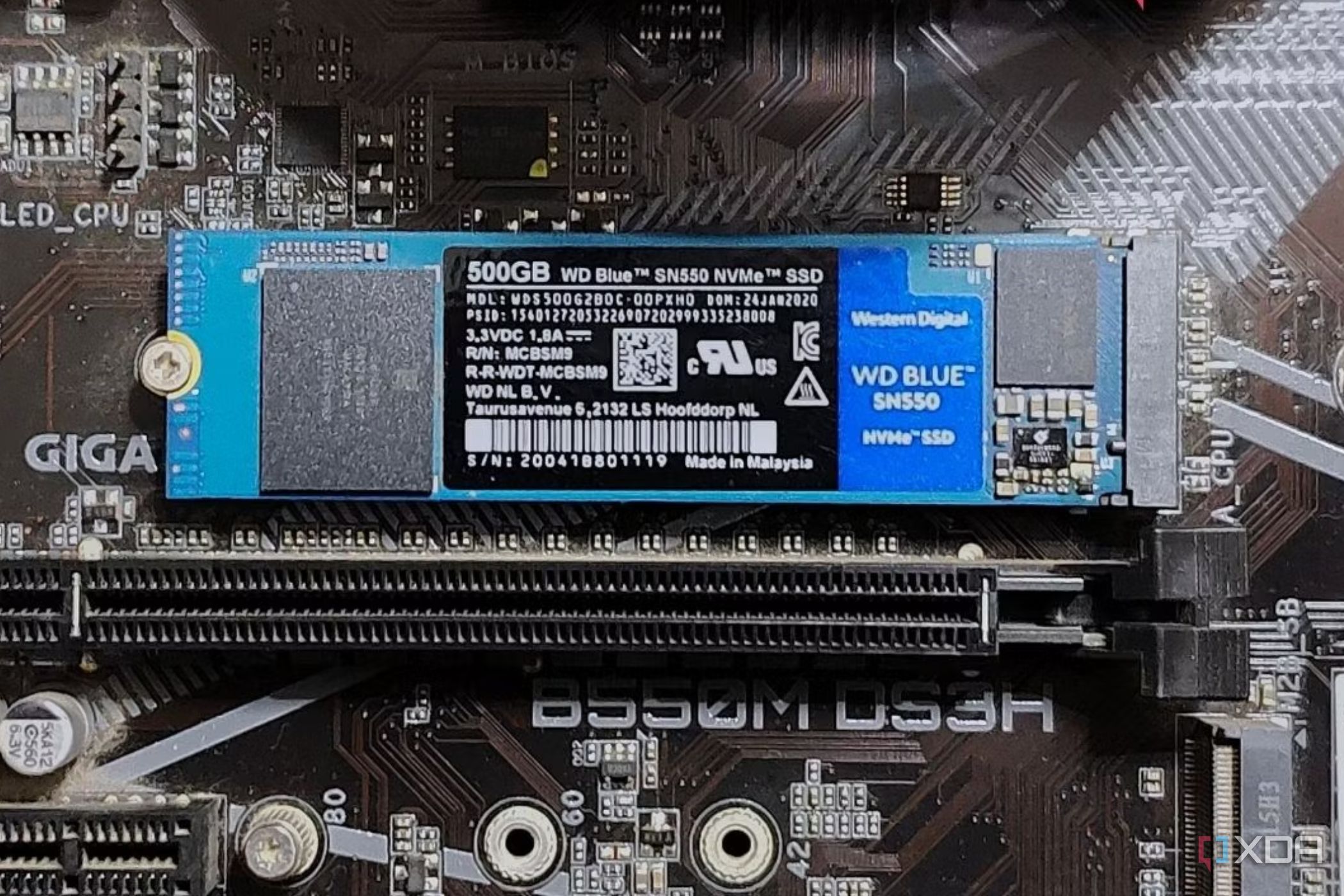
The rapid evolution of storage technology has left many consumers pondering the necessity of upgrading to the latest standards. Recent insights indicate that PCIe 3.0 SSDs continue to meet the needs of approximately 99% of users, even as newer models like PCIe 5.0 SSDs promise speeds exceeding 15,000 MB/s. While the allure of faster storage is undeniable, the practical benefits for the average consumer may be limited.
Historically, the transition from traditional hard drives to SATA SSDs marked a significant improvement in performance. This change drastically reduced boot times and enhanced overall system responsiveness. The subsequent move to PCIe 3.0 NVMe SSDs further improved speeds, with theoretical rates reaching up to 3,500 MB/s. However, the shift to PCIe 4.0 and now PCIe 5.0 has not translated into noticeable real-world gains for everyday tasks.
Understanding the Upgrade Dilemma
The initial excitement surrounding PCIe 5.0 SSDs was tempered by their high price point, often significantly exceeding that of PCIe 4.0 drives. The average consumer faced a tough decision: pay a premium for the latest technology or stick with an existing SSD that performs adequately for most applications. Although market prices for Gen5 SSDs have decreased recently, the actual performance benefits remain negligible for general computing, gaming, and standard operating system functions.
Many users on older systems find themselves limited to Gen3 or Gen4 speeds due to motherboard compatibility, further complicating the decision to upgrade. As it stands, the incremental performance improvements associated with newer drives do not justify the cost for the vast majority.
As gaming and general usage tasks do not require the bandwidth offered by PCIe 5.0, budget-conscious consumers are often better off opting for Gen4 SSDs. These drives provide an excellent balance of cost, performance, and availability.
Maximizing Value in Storage Choices
For users looking to purchase new storage, investing in a PCIe 4.0 SSD is advisable, as Gen3 SSDs may soon become scarce. The availability of Gen4 drives is much more reliable, and the performance differences for typical use cases are minimal. As an added benefit, Gen4 SSDs come with improved thermal management and efficiency compared to older models.
Those in fields requiring intensive data processing, such as video editing or 3D rendering, may find value in the enhanced capabilities of a PCIe 5.0 SSD. For these professionals, the investment can yield significant returns in productivity. However, for the broader user base—comprising gamers and everyday computer users—the advantages of upgrading to the latest storage technology remain largely theoretical.
In conclusion, while the market for storage technology continues to advance rapidly, the reality is that PCIe 3.0 SSDs are still more than adequate for the vast majority of users. As technology evolves, consumers should carefully assess their actual needs versus the latest offerings, ensuring they make informed and practical decisions about their storage solutions.








Revolutionary Photonic Ski-Jump Could Miniaturize LiDAR Systems

Couples Detox from Plastics in New Netflix Doc: Can It Boost Fertility?

Aventon Launches Affordable Full-Suspension Electric Mountain Bike

Discover Eight Must-Try Restaurants This Spring Season

UC Irvine Team Unveils Innovative Ion Pump for Water Treatment

One-Third of Americans Trim Daily Expenses for Healthcare Needs

Apple Secures First Oscar in Three Years with F1: The Movie

Fourth Graders Celebrate St. Patrick’s Day with Creative Weather Drawings

Kim Kardashian Dazzles at Vanity Fair Oscars Party 2026

Nostradamus’ 2026 Predictions: Star Death and Dark Events Loom

Breakthroughs and Challenges Await Science in 2026

Electric Moto Influencer Surronster Arrested in Tijuana

OpenAI to Implement Age Verification for ChatGPT by December 2025

Discover the Top 10 Calorie Counting Apps of 2025

Recovering a Suspended TikTok Account: A Step-by-Step Guide

Bella Hadid Shares Health Update After Treatment for Lyme Disease

Backpack Drives Equip Students with Supplies for New School Year

Analysts Project Stronger Growth for Apple’s iPhone 17 Lineup
-
 Science8 months ago
Nostradamus’ 2026 Predictions: Star Death and Dark Events Loom
-
 Science8 months ago
Breakthroughs and Challenges Await Science in 2026
-
 Technology11 months ago
Electric Moto Influencer Surronster Arrested in Tijuana
-
 Technology9 months ago
OpenAI to Implement Age Verification for ChatGPT by December 2025
-
 Technology1 year ago
Discover the Top 10 Calorie Counting Apps of 2025
-
 Technology1 year ago
Recovering a Suspended TikTok Account: A Step-by-Step Guide
-
 Health11 months ago
Bella Hadid Shares Health Update After Treatment for Lyme Disease
-
 Education1 year ago
Backpack Drives Equip Students with Supplies for New School Year
-
 Health11 months ago
Analysts Project Stronger Growth for Apple’s iPhone 17 Lineup
-

 Health12 months ago
Japanese Study Finds Rose Oil Can Increase Brain Gray Matter
-

 Technology8 months ago
Top 10 Penny Stocks to Watch in 2026 for Strong Returns
-

 Science10 months ago
Starship V3 Set for 2026 Launch After Successful Final Test of Version 2