
Technology
Oura Rings Face User Complaints of Smoking and Overheating

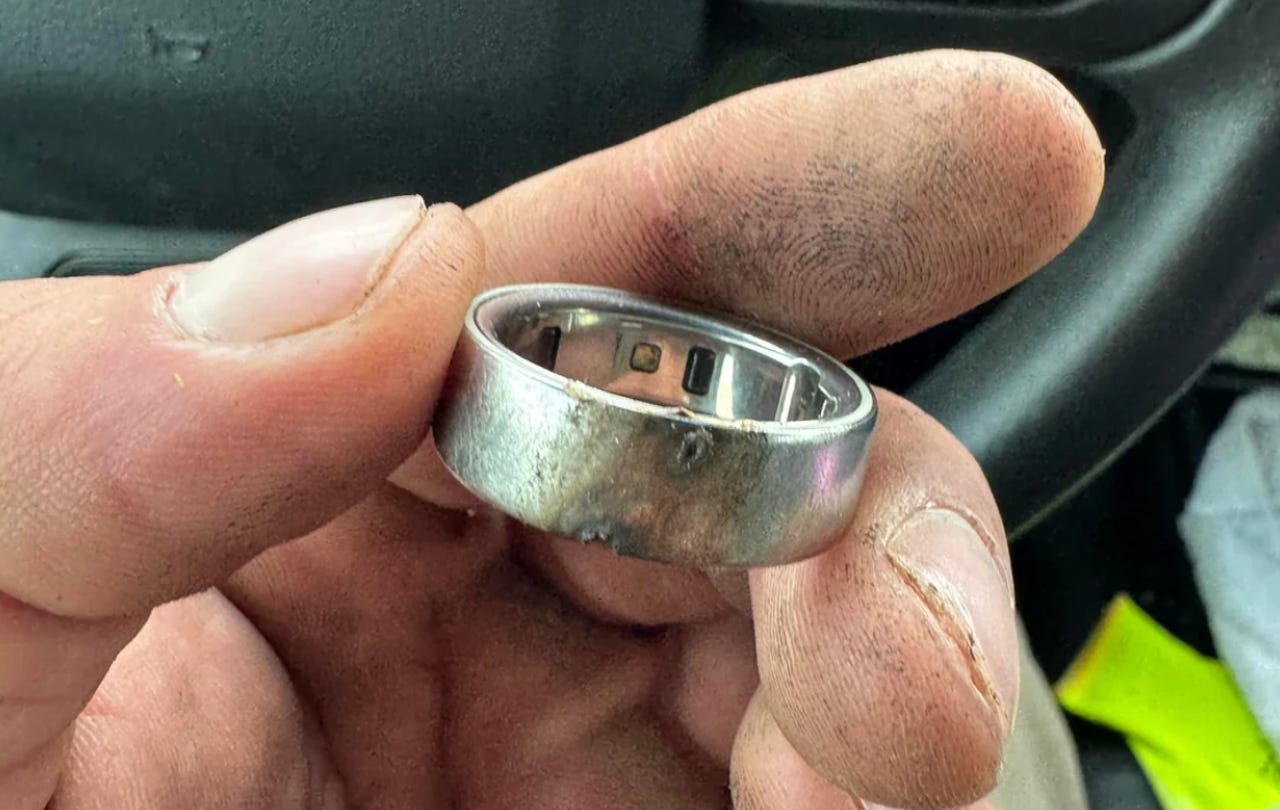
Reports have surfaced from two users of the Oura Ring regarding alarming incidents of their devices overheating and emitting smoke. These incidents raise concerns about the safety of smart rings, which are powered by lithium-ion batteries.
One user shared on Reddit that their Oura Ring began smoking while they were on a morning walk, causing a burn to their finger and resulting in a blister upon removal. The user described the experience, stating, “My hand smells like electronic fire.” They had been using the ring for approximately four to five months before this incident occurred.
A second user, who has since deleted their account, claimed that their Oura Ring was defective from the moment of purchase.
Responding to these reports, a spokesperson for Oura stated, “We take any safety-related report seriously and are actively reviewing the recent posts on a case-by-case basis. While Reddit discussion threads can create the impression of scale, the two reported cases appear to be isolated incidents rather than a wider pattern, and we’re conducting thorough investigations — including third-party analysis — to understand exactly what happened and support the members involved.”
Since its launch, Oura has sold over 5.5 million rings, making these incidents particularly noteworthy within the context of consumer technology.
Understanding the Risks of Lithium-Ion Batteries
Lithium-ion batteries, while common in smart devices, can be prone to overheating under certain conditions, such as damage or improper charging. This phenomenon, known as thermal runaway, can lead to battery fires if the battery is defective or misused. Despite the risks, advancements in battery technology and stringent safety standards have significantly reduced potential hazards for consumers, according to an analysis by Relion in a 2024 blog post.
Earlier this year, a similar incident was reported involving a Samsung Galaxy Ring. YouTuber Daniel Rotar posted on social media that the battery in his Galaxy Ring had expanded and swelled around his finger shortly before a flight. Rotar noted that the ring had been malfunctioning for months and had failed to hold a charge for more than a day.
Customer Concerns and Company Response
Amid these troubling reports, many Oura Ring users have also taken to forums to voice concerns about battery life. Customers who purchased the Oura Ring 4 less than a year ago have reported significant decreases in battery performance, despite the company advertising a battery life of up to eight days.
In response to these battery life issues, Oura has been proactive in addressing customer complaints. The spokesperson stated, “We are continuing to make improvements in our software and features to help reduce battery aging. Most members continue to experience between 5-8 days of battery life, as expected. We encourage members to contact customer support, where we handle issues on a case-by-case basis, troubleshooting and replacing rings as needed.”
Despite the concerning reports, experts, including ZDNET’s Adrian Kingsley-Hughes, emphasize that rechargeable batteries, including those in smart rings, are generally safe. Kingsley-Hughes advises users to remove any malfunctioning devices immediately to mitigate risks.
As Oura continues to investigate these isolated incidents, the company’s commitment to customer safety and product reliability remains paramount in maintaining consumer trust.













Revolutionary Photonic Ski-Jump Could Miniaturize LiDAR Systems

Couples Detox from Plastics in New Netflix Doc: Can It Boost Fertility?

Aventon Launches Affordable Full-Suspension Electric Mountain Bike

Discover Eight Must-Try Restaurants This Spring Season

UC Irvine Team Unveils Innovative Ion Pump for Water Treatment

One-Third of Americans Trim Daily Expenses for Healthcare Needs

Apple Secures First Oscar in Three Years with F1: The Movie

Fourth Graders Celebrate St. Patrick’s Day with Creative Weather Drawings

Kim Kardashian Dazzles at Vanity Fair Oscars Party 2026

Nostradamus’ 2026 Predictions: Star Death and Dark Events Loom

Breakthroughs and Challenges Await Science in 2026

Electric Moto Influencer Surronster Arrested in Tijuana

OpenAI to Implement Age Verification for ChatGPT by December 2025

Discover the Top 10 Calorie Counting Apps of 2025

Bella Hadid Shares Health Update After Treatment for Lyme Disease

Analysts Project Stronger Growth for Apple’s iPhone 17 Lineup

Japanese Study Finds Rose Oil Can Increase Brain Gray Matter

Top 10 Penny Stocks to Watch in 2026 for Strong Returns
-
 Science4 months ago
Nostradamus’ 2026 Predictions: Star Death and Dark Events Loom
-
 Science4 months ago
Breakthroughs and Challenges Await Science in 2026
-
 Technology7 months ago
Electric Moto Influencer Surronster Arrested in Tijuana
-
 Technology4 months ago
OpenAI to Implement Age Verification for ChatGPT by December 2025
-
 Technology9 months ago
Discover the Top 10 Calorie Counting Apps of 2025
-
 Health7 months ago
Bella Hadid Shares Health Update After Treatment for Lyme Disease
-
 Health7 months ago
Analysts Project Stronger Growth for Apple’s iPhone 17 Lineup
-
 Health7 months ago
Japanese Study Finds Rose Oil Can Increase Brain Gray Matter
-
 Technology4 months ago
Top 10 Penny Stocks to Watch in 2026 for Strong Returns
-

 Science6 months ago
Starship V3 Set for 2026 Launch After Successful Final Test of Version 2
-

 Technology1 month ago
Nvidia GTC 2026: Major Announcements Expected for AI and Hardware
-

 Education7 months ago
Harvard Secures Court Victory Over Federal Funding Cuts