
Technology
Meta Platforms Unveils New Infrastructure Division for AI Growth

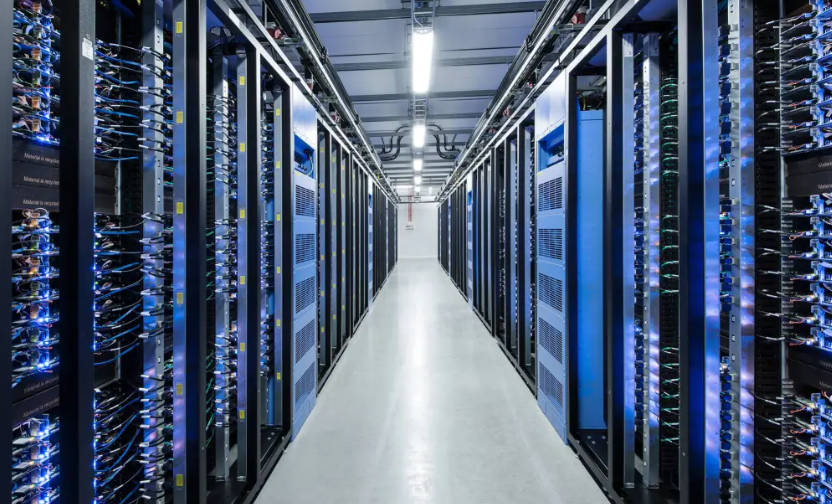
Meta Platforms Inc. has announced the establishment of a new division named Meta Compute, which will spearhead the company’s ambitious data center expansion for artificial intelligence (AI). The new organization aims to manage an infrastructure buildout expected to consume tens of gigawatts of power this decade, with plans to scale up to hundreds of gigawatts in the long term.
The initiative was detailed by Meta founder and Chief Executive Mark Zuckerberg in a post on Threads. He emphasized the strategic importance of this move, stating, “Meta is planning to build tens of gigawatts this decade and hundreds of gigawatts or more over time.” By centralizing the responsibility for this infrastructure, Meta seeks to gain a competitive edge in the evolving AI landscape.
Strategic Leadership and Goals
Meta Compute will be led by Santosh Janardhan, who currently serves as the head of global infrastructure and co-head of engineering. He will work alongside Daniel Gross, a co-founder of Safe Superintelligence Inc. The primary objective of Meta Compute is to expand the company’s AI infrastructure significantly, surpassing the traditional growth patterns seen in data centers.
Meta currently operates a vast network of data centers, but the scale of expansion required to support advanced AI models necessitates a more sophisticated approach. The company will need to acquire advanced hardware and construct numerous facilities to house this technology. By creating a dedicated division, Meta intends to proactively secure the necessary land, hardware, and energy resources, rather than responding to demands as they arise.
Janardhan’s responsibilities will include overseeing the technical elements of the infrastructure buildout, such as system architecture strategy, in-house silicon efforts, and the overall operation of the global data center fleet. Gross will focus on long-term capacity planning and supply chain development, ensuring that Meta has the required chips, servers, and networking equipment for its new data centers.
Future Computing Needs and Strategic Investments
Zuckerberg outlined that this new structure would centralize ownership of Meta’s technical stack, covering software, system architecture, silicon, networks, and data centers. This approach is designed to enhance efficiency in investment decisions, separating operational execution from long-term planning.
Additionally, Dina Powell McCormick has joined Meta as its new President and Vice Chair. Among her responsibilities will be aligning the company’s multibillion-dollar infrastructure investments with strategic objectives and fostering economic benefits in the regions where Meta operates. She is also tasked with developing strategic capital alliances to enhance Meta’s long-term investment capabilities.
Despite the significant financial commitment—Meta spent $72 billion on capital expenditures in fiscal 2025, primarily directed towards new AI data centers—there are concerns regarding the effectiveness of these investments. The company’s latest AI model, Llama 4, has received mixed reviews, particularly when compared to more established models from competitors such as Google LLC and OpenAI Group PBC.
The creation of Meta Compute represents a pivotal shift in how Meta approaches its data center expansion. As the company positions itself to take advantage of the growing demand for AI technology, the success of this initiative will depend on the effectiveness of its planning and execution in the coming years.












Revolutionary Photonic Ski-Jump Could Miniaturize LiDAR Systems

Couples Detox from Plastics in New Netflix Doc: Can It Boost Fertility?

Aventon Launches Affordable Full-Suspension Electric Mountain Bike

Discover Eight Must-Try Restaurants This Spring Season

UC Irvine Team Unveils Innovative Ion Pump for Water Treatment

One-Third of Americans Trim Daily Expenses for Healthcare Needs

Apple Secures First Oscar in Three Years with F1: The Movie

Fourth Graders Celebrate St. Patrick’s Day with Creative Weather Drawings

Kim Kardashian Dazzles at Vanity Fair Oscars Party 2026

Nostradamus’ 2026 Predictions: Star Death and Dark Events Loom

Breakthroughs and Challenges Await Science in 2026

Electric Moto Influencer Surronster Arrested in Tijuana

OpenAI to Implement Age Verification for ChatGPT by December 2025

Discover the Top 10 Calorie Counting Apps of 2025

Recovering a Suspended TikTok Account: A Step-by-Step Guide

Bella Hadid Shares Health Update After Treatment for Lyme Disease

Backpack Drives Equip Students with Supplies for New School Year

Analysts Project Stronger Growth for Apple’s iPhone 17 Lineup
-
 Science8 months ago
Nostradamus’ 2026 Predictions: Star Death and Dark Events Loom
-
 Science8 months ago
Breakthroughs and Challenges Await Science in 2026
-
 Technology11 months ago
Electric Moto Influencer Surronster Arrested in Tijuana
-
 Technology9 months ago
OpenAI to Implement Age Verification for ChatGPT by December 2025
-
 Technology1 year ago
Discover the Top 10 Calorie Counting Apps of 2025
-
 Technology1 year ago
Recovering a Suspended TikTok Account: A Step-by-Step Guide
-
 Health11 months ago
Bella Hadid Shares Health Update After Treatment for Lyme Disease
-
 Education1 year ago
Backpack Drives Equip Students with Supplies for New School Year
-
 Health12 months ago
Analysts Project Stronger Growth for Apple’s iPhone 17 Lineup
-

 Health12 months ago
Japanese Study Finds Rose Oil Can Increase Brain Gray Matter
-

 Technology8 months ago
Top 10 Penny Stocks to Watch in 2026 for Strong Returns
-

 Science10 months ago
Starship V3 Set for 2026 Launch After Successful Final Test of Version 2