
Technology
Masimo Sues U.S. Customs to Halt Apple Watch Blood Oxygen Feature

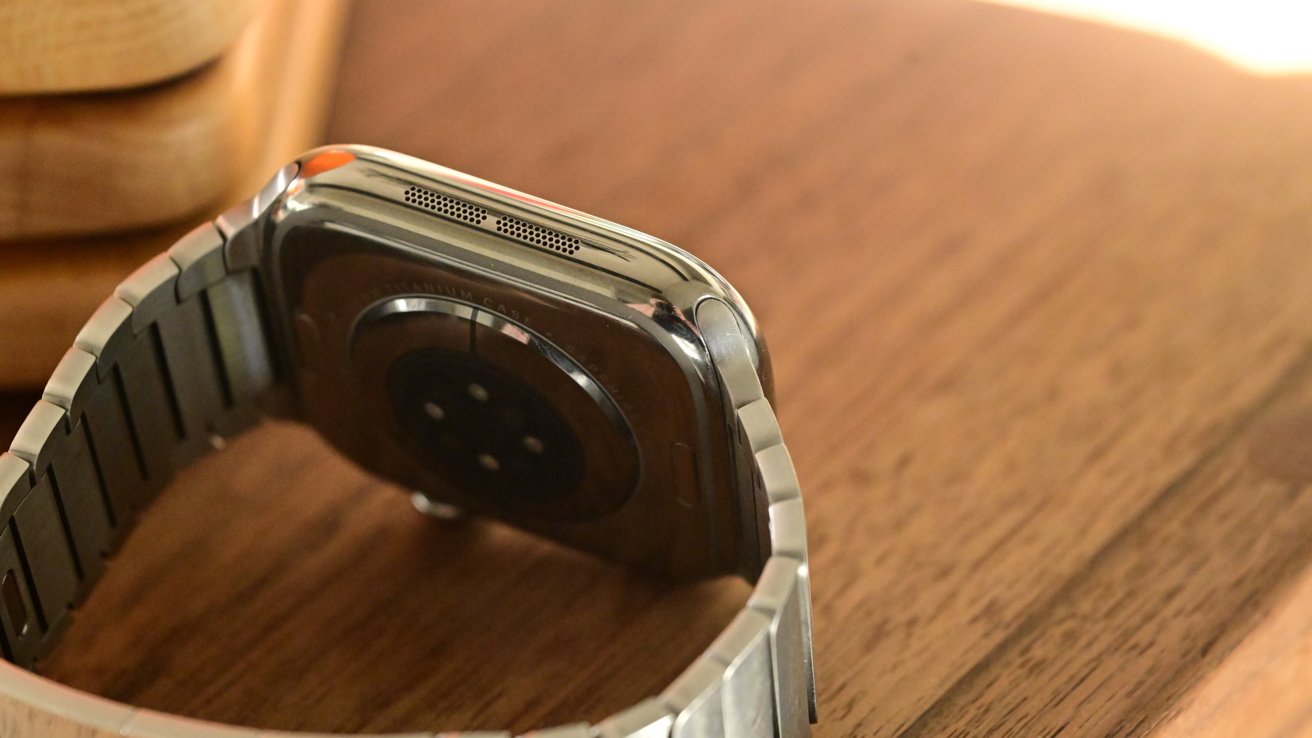
Masimo has initiated legal action against the U.S. Customs and Border Protection in an effort to prevent the restoration of the pulse oximetry feature on the Apple Watch. The company learned about this development at the same time as the general public, following an announcement from Apple that indicated the imminent return of the blood oxygen detection capability in the United States.
This latest chapter in the ongoing legal battle between Masimo and Apple traces back to 2020. The conflict has seen numerous appeals and legal maneuvers, with Masimo claiming that Apple infringed on its patents related to blood oxygen sensing technology. Initially, it appeared that Apple would have to wait until 2028, when a critical patent held by Masimo would expire, before it could reactivate the feature.
Background of the Legal Dispute
On August 14, 2023, Apple announced that it would soon restore the blood oxygen detection feature, which had been prohibited due to a ruling from the U.S. International Trade Commission. This ruling stemmed from Masimo’s allegations of patent infringement. The announcement caught Masimo off guard, as it was the first notification the company received regarding any potential deal to reinstate the feature.
In response to Apple’s announcement, Masimo filed a federal lawsuit on August 20, 2023, in which it seeks to halt the restoration of the pulse oximetry function. According to a report from Bloomberg Law, Masimo argues that the reinstatement of this feature would further infringe upon its patented technology.
Implications of the Lawsuit
The outcome of this legal dispute could have significant implications for both companies. If Masimo succeeds in its lawsuit, it could prevent Apple from offering the blood oxygen monitoring feature, which has been a selling point for the Apple Watch. Conversely, a ruling in favor of Apple may embolden the tech giant to continue integrating advanced health monitoring technologies into its devices.
As this case unfolds, it highlights the ongoing tensions in the technology sector regarding intellectual property rights and innovation. Both companies are expected to vigorously defend their positions as they navigate this complex legal landscape.
Consumers and industry observers will be closely watching how this lawsuit develops, as it could reshape the competitive landscape in health technology and wearable devices.











Revolutionary Photonic Ski-Jump Could Miniaturize LiDAR Systems

Couples Detox from Plastics in New Netflix Doc: Can It Boost Fertility?

Aventon Launches Affordable Full-Suspension Electric Mountain Bike

Discover Eight Must-Try Restaurants This Spring Season

UC Irvine Team Unveils Innovative Ion Pump for Water Treatment

One-Third of Americans Trim Daily Expenses for Healthcare Needs

Apple Secures First Oscar in Three Years with F1: The Movie

Fourth Graders Celebrate St. Patrick’s Day with Creative Weather Drawings

Kim Kardashian Dazzles at Vanity Fair Oscars Party 2026

Nostradamus’ 2026 Predictions: Star Death and Dark Events Loom

Breakthroughs and Challenges Await Science in 2026

Electric Moto Influencer Surronster Arrested in Tijuana

OpenAI to Implement Age Verification for ChatGPT by December 2025

Discover the Top 10 Calorie Counting Apps of 2025

Recovering a Suspended TikTok Account: A Step-by-Step Guide

Bella Hadid Shares Health Update After Treatment for Lyme Disease

Backpack Drives Equip Students with Supplies for New School Year

Analysts Project Stronger Growth for Apple’s iPhone 17 Lineup
-
 Science8 months ago
Nostradamus’ 2026 Predictions: Star Death and Dark Events Loom
-
 Science8 months ago
Breakthroughs and Challenges Await Science in 2026
-
 Technology11 months ago
Electric Moto Influencer Surronster Arrested in Tijuana
-
 Technology9 months ago
OpenAI to Implement Age Verification for ChatGPT by December 2025
-
 Technology1 year ago
Discover the Top 10 Calorie Counting Apps of 2025
-
 Technology1 year ago
Recovering a Suspended TikTok Account: A Step-by-Step Guide
-
 Health11 months ago
Bella Hadid Shares Health Update After Treatment for Lyme Disease
-
 Education1 year ago
Backpack Drives Equip Students with Supplies for New School Year
-
 Health12 months ago
Analysts Project Stronger Growth for Apple’s iPhone 17 Lineup
-

 Health12 months ago
Japanese Study Finds Rose Oil Can Increase Brain Gray Matter
-

 Technology8 months ago
Top 10 Penny Stocks to Watch in 2026 for Strong Returns
-

 Science10 months ago
Starship V3 Set for 2026 Launch After Successful Final Test of Version 2